
Find the Best Used Cooking Oil Collection Companies for Your Business
No obligation • Fast responses • Nationwide coverage

Why you can trust Restaurant Waste Disposal
Restaurant Waste Disposal is a leading U.S. resource for comparing restaurant composting, food-waste recycling, grease trap cleaning, and used cooking oil collection services. Our editorial team researches providers, checks credentials, and organizes unbiased information so operators can make informed decisions. Companies cannot pay to change ratings or placement.
Search providers near you
Top Used Cooking Oil Collection Companies in Westminster, Colorado Ranked
For restaurants and food service establishments in Westminster, managing used cooking oil (UCO) is a critical operational and environmental responsibility. Properly handling this byproduct involves a structured system of secure storage, scheduled pickups by licensed haulers, and adherence to local Fats, Oils, Grease, and Grit (FOGG) regulations. The collected oil is then recycled, often into biodiesel, turning a waste product into a valuable resource. This process not only ensures regulatory compliance and prevents sewer issues but can also create a potential revenue stream or cost savings for your business.
Denver Oil
5501 Fenton St, Arvada, CO 80002
Denver Oil is a used cooking oil collection company based in Denver, CO. The company specializes in collecting used cooking oil from various commercial sources to support recycling and proper disposal efforts. Denver Oil serves the local Denver area with a focus on environmentally responsible oil collection.
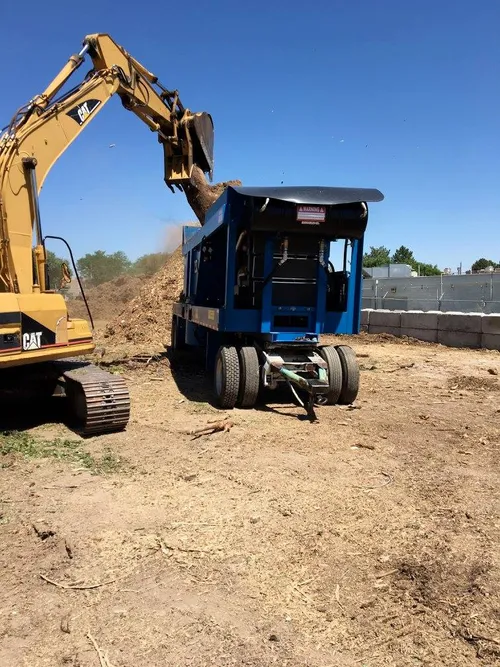
AESTHETIC ALTERNATIVE RECYCLING, LLC
2450 S Syracuse Way, Denver, CO 80231
AESTHETIC ALTERNATIVE RECYCLING, LLC operates in Denver, CO, specializing in the collection of used cooking oil. The company focuses on environmentally responsible recycling services, helping businesses manage their cooking oil waste efficiently.
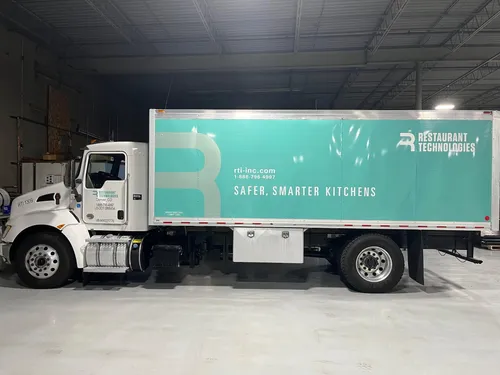
Restaurant Technologies- Denver CO
4771 Holly St Unit G, Denver, CO 80216
Restaurant Technologies- Denver CO provides automated cooking oil delivery, filtration, and recycling services for commercial kitchens in Denver, CO. Their Total Oil Management system includes installing tanks and automatic controls to safely deliver fresh oil and remove used oil without manual handling. This closed-loop process helps reduce hazards and improve kitchen safety by eliminating the need for employees to handle hot, dirty fryer oil. The company operates a depot in Denver and supports sustainability initiatives through efficient oil recycling.
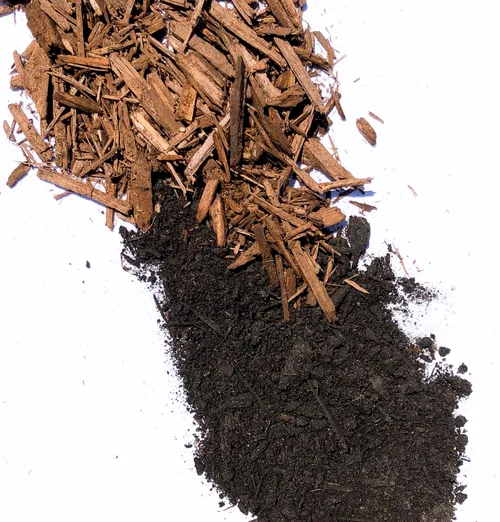
A1 Organics
9109 Monaco St, Henderson, CO 80640
A1 Organics is a family-owned business based in Aurora, CO, specializing in organic recycling and composting services. Since 1974, they have provided commercial landscapers, municipalities, and institutions with certified compost, premium mulches, and organic soil blends. The company operates multiple facilities along the Front Range, including Eaton, Keenesburg, Commerce City, and Englewood, and diverts over 525,000 tons of waste annually from Colorado landfills. A1 Organics also collects used cooking oil and liquid food residuals, recycling 34 million gallons each year. Their certified compost products are STA Certified® and OMRI® Listed, supporting sustainable landscaping and agriculture in the region.
Understanding Westminster's FOGG Program
Compliance begins with the City of Westminster's FOGG program, which is designed to protect the municipal sewer system from blockages and overflows. The program mandates specific requirements for grease management that every food service facility must follow.
- Interceptor Specifications: The city has clear rules for grease interceptors (or traps). No establishment may install a grease trap with a flow rate of less than 20 gallons per minute or a capacity of less than 40 pounds. The use of garbage disposals that discharge into a grease interceptor is prohibited, and outdoor installation of interceptors is strongly preferred for easier access and maintenance 1.
- Inspection and Pumping Schedule: Regular maintenance is not optional. Grease interceptors must be inspected at least every other month to ensure they are functioning correctly. Pumping must occur as needed based on these inspections, but a formal pumping log or manifest must be completed and left on-site by the servicing hauler each time work is performed 2. This documentation is crucial for demonstrating compliance during city inspections.
The Step-by-Step Process for Oil Collection
Establishing a reliable used fryer oil collection routine involves several key stages, from on-site storage to final recycling.
1. Secure On-Site Storage
After oil is used for cooking, it must be safely transferred to a dedicated storage container. For most restaurants, this means using a locked, durable bin provided by your collection service. These containers typically range from 40 to over 300 gallons in capacity and are designed to be stored outdoors, often on a concrete pad. Using a locked, secure bin is essential not only for safety and cleanliness but also to prevent theft, as used cooking oil has value on the commodities market 3.
2. Scheduling a Pickup
When your storage container is nearing capacity, you contact your licensed grease hauler to schedule a pickup. In the Westminster and broader Denver metro area, several providers, such as Grand Natural Inc, Mahoney Environmental, and Restaurant Technologies, offer these services 4. Pickups are usually scheduled on a regular basis (e.g., weekly, bi-weekly, or monthly) depending on your volume of oil production.
3. The Collection Service
On the scheduled day, a service truck equipped with a specialized vacuum pump arrives at your location. The technician will pump the used oil from your storage bin directly into the truck's tank. A critical part of this service is the completion of a pumping log or manifest. The hauler will leave a copy of this document with you, which serves as your official record for both state requirements and Westminster's FOGG program compliance 5.
4. Recycling and Repurposing
The collected oil is transported to a processing facility where it is cleaned and refined. The primary end product is biodiesel, a renewable fuel, but it can also be used in animal feed supplements and other industrial applications. This recycling loop ensures the oil is diverted from landfills and wastewater systems, contributing to a more sustainable local economy 6.
Cost Structure and Potential Value
The financial model for used cooking oil collection can vary. It's not simply a cost of doing business; for many establishments, it can offset expenses or even generate income.
- Collection Fees: Pricing models differ by provider and your specific situation. Some services may charge a per-pickup fee, which can range from approximately $50 to $150, especially if you are also paying for grease interceptor cleaning. Other providers may offer free pickup if you generate a sufficient, consistent volume of oil 7 8.
- Revenue Potential: If your restaurant produces a high volume of used oil, you may qualify for a rebate or direct payment from the hauler. Payments are typically based on the market price for recycled oil and can range from $0.10 to over $0.65 per gallon collected 9 10. The more oil you recycle, the greater the potential financial return.
- Service Benefits: Many full-service providers include the storage container, lock, and routine maintenance at no extra charge. They also offer support with compliance documentation and can provide emergency service if needed, adding significant value beyond the simple act of collection.
Find the perfect used cooking oil collection companies for your needs
Get personalized recommendations and expert advice
Choosing a Service Provider in Westminster
Selecting the right partner for your grease trap and used oil needs is important. Look for a provider that is fully licensed and insured to operate in Colorado and has a strong reputation in the Denver metro area. Key questions to ask include:
- Do you provide locked, secure containers for used oil storage?
- How do you handle the required pumping manifests and compliance documentation?
- What is your typical service schedule and response time for emergency needs?
- What is your pricing model-is there a fee, or do you offer rebates based on volume?
A reliable provider will act as a partner in helping you navigate local regulations while ensuring your used oil is handled efficiently and responsibly.
Environmental and Compliance Benefits
Implementing a robust used cooking oil management system offers clear advantages. Environmentally, it ensures a harmful pollutant is kept out of waterways and recycled into a useful product. From a compliance perspective, it protects your business from potential fines and enforcement actions by the City of Westminster for violations of the FOGG program. Perhaps most compelling for a restaurant's bottom line is the shift in perspective: used cooking oil transitions from a messy waste problem into a managed commodity with inherent value 11.
Frequently asked questions
Sources
Footnotes
-
Grease Interceptors | Westminster, CO - https://www.westminsterco.gov/DocumentCenter/View/1892/Grease-Interceptors-PDF ↩
-
FAQs • What is the pumping schedule for grease interceptor o - https://www.westminsterco.gov/FAQ.aspx?QID=302 ↩
-
Grease Collection Service: What is it - Grand Natural Inc - https://www.grandnaturalinc.com/blog/what-is-grease-collection-service.html ↩
-
Cooking Oil Recycling & Disposal Denver - Restaurant Technologies - https://www.rti-inc.com/denver/ ↩
-
Used Cooking Oil (UCO) Collection Service For Restaurants - https://thegreasecompany.com/blog/restaurant-used-cooking-oil-collection/ ↩
-
Professional Used Cooking Oil Recycling Services in Denver ... - https://www.mahoneyes.com/restaurant-oil-recycling-denver-co/ ↩
-
Used Cooking Oil Collection Westminster - https://www.grandnaturalinc.com/locations/used-cooking-oil-recycling-in-westminster.html ↩
-
Used Cooking Oil Pickup vs Drop-Off-What's Best for Restaurants? - https://www.greaseprosrecycling.com/used-cooking-oil-pickup-vs-drop-off/ ↩
-
Restaurant Used Cooking Oil Recycling & Disposal Guide - https://greaseconnections.com/restaurant-used-cooking-oil-disposal-recycling-revenue-guide/ ↩
-
Used Cooking Oil Disposal: Complete Guide to Grease Pickups - https://greaseconnections.com/used-cooking-oil-disposal-guide-grease-pickups/ ↩
-
Fats Oil Grease and Grit FOGG Program PDF - Westminster, CO - https://www.westminsterco.gov/DocumentCenter/View/971/Fats-Oil-Grease-and-Grit-FOGG-Program-PDF ↩