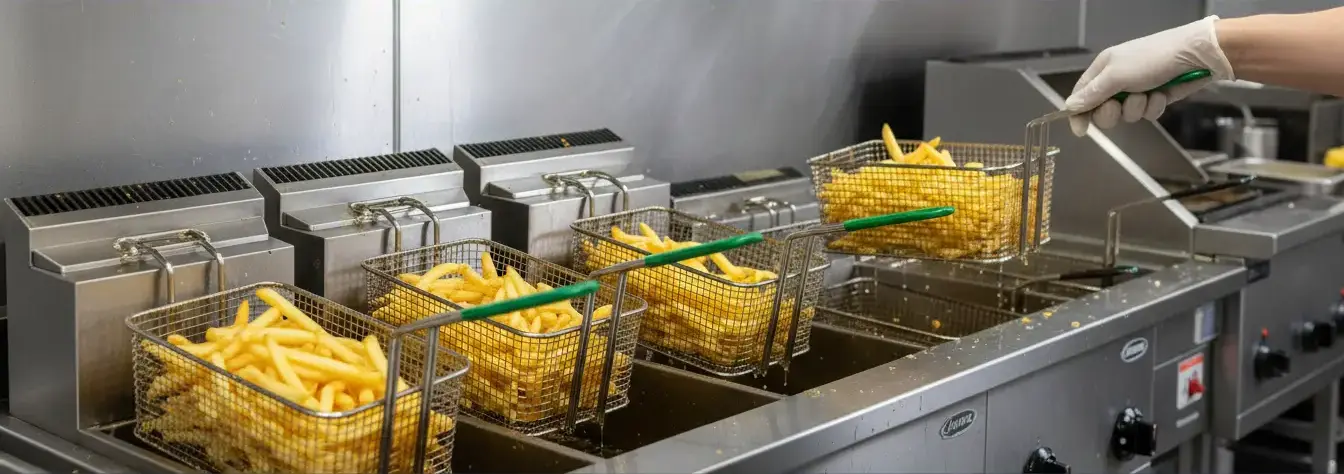
Find the Best Used Cooking Oil Collection Companies for Your Business
No obligation • Fast responses • Nationwide coverage

Why you can trust Restaurant Waste Disposal
Restaurant Waste Disposal is a leading U.S. resource for comparing restaurant composting, food-waste recycling, grease trap cleaning, and used cooking oil collection services. Our editorial team researches providers, checks credentials, and organizes unbiased information so operators can make informed decisions. Companies cannot pay to change ratings or placement.
Search providers near you
Top Used Cooking Oil Collection Companies in Denver, Colorado Ranked
For Denver restaurants, managing used cooking oil (UCO) is more than just a kitchen task-it's a critical operational and environmental responsibility. Proper collection and recycling of this waste stream are mandated by local and state regulations, designed to protect the city's sewer infrastructure and waterways. By partnering with a licensed hauler, food service establishments can transform a waste product into a valuable commodity, often generating revenue while ensuring full compliance. This guide outlines the essential steps, rules, and service options for effective used oil management in the Mile High City.
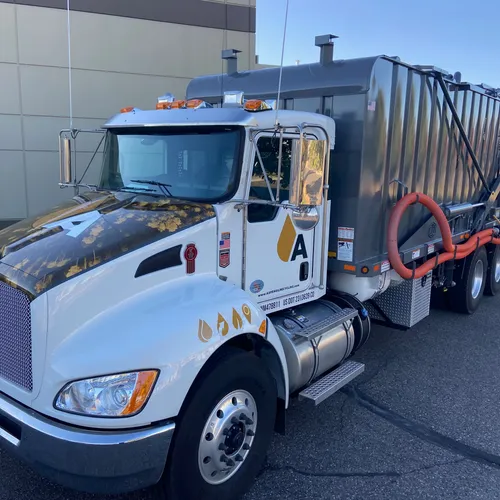
Aspen Oil Recycling
Denver, CO
Aspen Oil Recycling provides used cooking oil collection services in Denver, CO. They serve a variety of clients including restaurants, stadiums, food processors, and schools. The company is capable of handling large volumes of used cooking oil and offers specialized equipment such as heated containers to maintain oil liquidity during cold weather. Aspen Oil Recycling has been serving customers since at least 2018.
Denver Oil
5501 Fenton St, Arvada, CO 80002
Denver Oil is a used cooking oil collection company based in Denver, CO. The company specializes in collecting used cooking oil from various commercial sources to support recycling and proper disposal efforts. Denver Oil serves the local Denver area with a focus on environmentally responsible oil collection.
AESTHETIC ALTERNATIVE RECYCLING, LLC
2450 S Syracuse Way, Denver, CO 80231
AESTHETIC ALTERNATIVE RECYCLING, LLC operates in Denver, CO, specializing in the collection of used cooking oil. The company focuses on environmentally responsible recycling services, helping businesses manage their cooking oil waste efficiently.
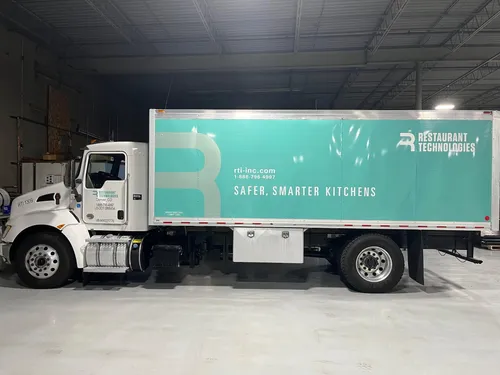
Restaurant Technologies- Denver CO
4771 Holly St Unit G, Denver, CO 80216
Restaurant Technologies- Denver CO provides automated cooking oil delivery, filtration, and recycling services for commercial kitchens in Denver, CO. Their Total Oil Management system includes installing tanks and automatic controls to safely deliver fresh oil and remove used oil without manual handling. This closed-loop process helps reduce hazards and improve kitchen safety by eliminating the need for employees to handle hot, dirty fryer oil. The company operates a depot in Denver and supports sustainability initiatives through efficient oil recycling.
A1 Organics
9109 Monaco St, Henderson, CO 80640
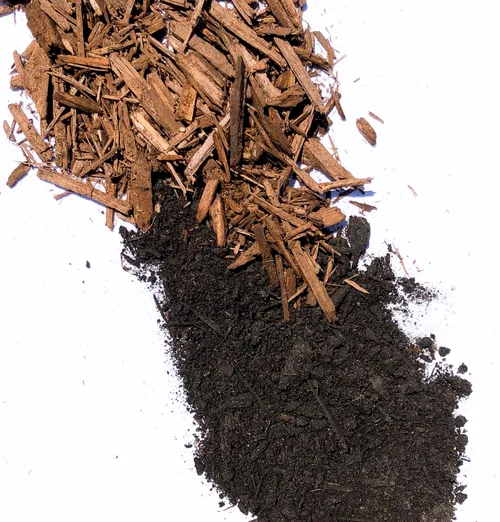
A1 Organics is a family-owned business based in Aurora, CO, specializing in organic recycling and composting services. Since 1974, they have provided commercial landscapers, municipalities, and institutions with certified compost, premium mulches, and organic soil blends. The company operates multiple facilities along the Front Range, including Eaton, Keenesburg, Commerce City, and Englewood, and diverts over 525,000 tons of waste annually from Colorado landfills. A1 Organics also collects used cooking oil and liquid food residuals, recycling 34 million gallons each year. Their certified compost products are STA Certified® and OMRI® Listed, supporting sustainable landscaping and agriculture in the region.
Denver's Regulatory Landscape for Waste Oil
Navigating the rules is the first step to a compliant and efficient oil collection program. Denver has specific ordinances in place to prevent sewer blockages and environmental contamination.
- Sewer Discharge Ban: It is illegal to pour used cooking oil or grease into sinks, drains, or toilets. This prohibition is strictly enforced by Denver's Wastewater Management to prevent costly and disruptive sewer backups 1.
- State Oversight: The Colorado Department of Public Health and Environment (CDPHE) regulates the entire used oil lifecycle. This includes the restaurant as the generator, the transportation company, and the recycling facility. Compliance with state rules is mandatory for all parties.
- Licensed Haulers Required: You must contract with a licensed and insured hauler for collection and transport. Using an unlicensed service can leave your business liable for violations and improper disposal.
The Step-by-Step Collection Process
Establishing a reliable used cooking oil pickup system involves a few key stages, from storage to recycling.
1. Secure Container Placement
Haulers typically provide secure, leak-proof collection containers at no cost. These bins feature locking lids to prevent theft and contain spills. They can be stored indoors in a designated area or outdoors on a concrete pad, away from doorways and operational obstructions 2 3 4.
2. Scheduling Regular Pickups
Contact a licensed hauler to set up a service schedule based on your oil production volume. Regular pickups prevent overflow and maintain a clean, safe kitchen environment. Many providers offer flexible scheduling to accommodate your business hours.
3. Professional Collection & Documentation
On service day, the hauler will use a specialized truck to pump the oil from your container into their tank. Reputable companies ensure a clean process and provide documentation for the transfer, which is important for your records and compliance.
4. Recycling into New Products
The collected oil is transported to a processing facility where it is recycled. The primary end product is biodiesel, a renewable fuel, closing the loop on this valuable resource.
Understanding Costs and Revenue Potential
The financial model for used cooking oil collection can be favorable for restaurants that maintain oil quality.
- Earning Revenue: Restaurants can earn payment for their clean, uncontaminated used oil. Payments vary based on market conditions and oil quality but can provide a meaningful offset to other operational costs 5 6.
- Potential Fees: Fees may apply if the oil is heavily contaminated with food debris or water, or if it fails to meet the hauler's quality standards. This makes proper filtering and storage practices financially beneficial.
- Service Structures: Many haulers offer free containers and collection services when the oil quality is good, with their revenue coming from the sale of the recycled product. It's crucial to understand the specific terms of your service agreement.
Find the perfect used cooking oil collection companies for your needs
Get personalized recommendations and expert advice
Selecting a Service Provider in Denver
Choosing the right partner is essential for reliable service and peace of mind. Denver is served by several established providers, each with its own strengths.
- Aspen Oil: A local provider emphasizing 24/7 customer service and theft prevention. They offer customized collection solutions and work to build long-term partnerships with Denver restaurants 7 8.
- Grand Natural: This service offers free secure containers for indoor or outdoor use and emphasizes flexible scheduling. They also provide complementary services like grease trap cleaning, which can streamline waste management for a restaurant.
- Mahoney Environmental: A national provider with local Denver service, offering comprehensive solutions that can include used oil collection, fresh cooking oil delivery, and grease trap maintenance 9.
When evaluating providers, consider their responsiveness, licensing and insurance status, container security features, and the clarity of their service agreement.
Best Practices for Restaurant Managers
Beyond selecting a hauler, internal practices ensure a smooth and profitable program.
- Prevent Contamination: Strain oil after each use to remove food particles. Never mix used cooking oil with water, soap, or other liquids, as this significantly reduces its value and can incur fees.
- Prevent Theft: Use locking containers provided by your hauler and place them in well-lit, monitored areas if stored outdoors. Theft of used oil is an unfortunate reality, and secure containers are the first line of defense 10.
- Maintain Records: Keep all service tickets and documentation from your hauler. These records demonstrate compliance with CDPHE regulations and are useful for tracking your oil output and payments 11.
- Train Your Staff: Ensure all kitchen staff understand the importance of proper oil disposal. Clear training prevents accidental pouring down drains and helps maintain oil quality for recycling.
Implementing a robust used cooking oil collection system is a win for Denver restaurants: it ensures regulatory compliance, contributes to local recycling and biodiesel production, and can create a new revenue stream. By understanding the requirements and partnering with a reliable service, you can efficiently manage this essential aspect of your kitchen operations.
Frequently asked questions
Sources
Footnotes
-
Requirements For Grease Interceptors - https://denver.prelive.opencities.com/files/assets/public/v/2/doti/documents/permits/sudp/grease_interceptor_sizing_criteria.pdf ↩
-
Used Cooking Oil Pickup and Recycling Denver - Grand Natural - https://www.grandnatural.com/locations/used-cooking-oil-recycling-in-denver.html ↩
-
Denver - Aspen Oil - https://www.aspenoilrecycling.com/denver/ ↩
-
Used Cooking Oil (UCO) Collection Service For Restaurants - https://thegreasecompany.com/blog/restaurant-used-cooking-oil-collection/ ↩
-
Used Cooking Oil Collection Denver - https://www.grandnaturalinc.com/locations/used-cooking-oil-recycling-in-denver.html ↩
-
Used Cooking Oil Pricing & Business Guide - Grease Connections - https://greaseconnections.com/used-cooking-oil-pricing-guide/ ↩
-
Aspen Oil - Colorado's Used Cooking Oil Recyclers - https://www.aspenoilrecycling.com/ ↩
-
Cooking Oil Collection - Aspen Oil Recycling - https://www.aspenoilrecycling.com/cooking-oil-collection/ ↩
-
Professional Used Cooking Oil Recycling Services in Denver ... - https://www.mahoneyes.com/restaurant-oil-recycling-denver-co/ ↩
-
5 Key Facts About Waste Oil Collection in Denver, CO - https://www.denveroil.co/5-key-facts-about-waste-oil-collection-in-denver-co ↩
-
Hazardous waste management used oil guidance | Colorado Department of Public Health and Environment - https://cdphe.colorado.gov/hm/used-oil-guidance ↩