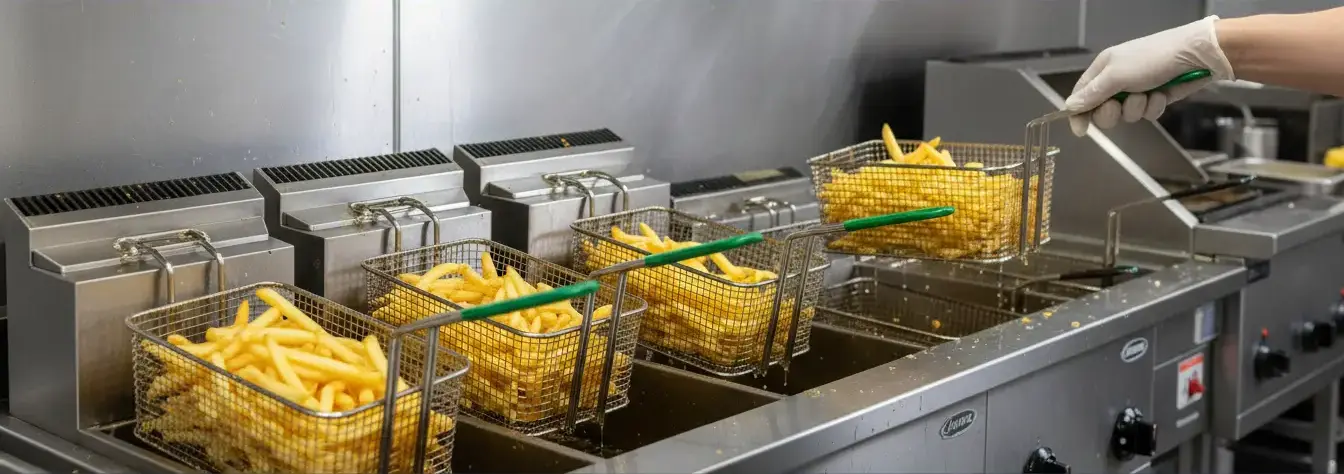
Find the Best Used Cooking Oil Collection Companies for Your Business
No obligation • Fast responses • Nationwide coverage

Why you can trust Restaurant Waste Disposal
Restaurant Waste Disposal is a leading U.S. resource for comparing restaurant composting, food-waste recycling, grease trap cleaning, and used cooking oil collection services. Our editorial team researches providers, checks credentials, and organizes unbiased information so operators can make informed decisions. Companies cannot pay to change ratings or placement.
Search providers near you
Top Used Cooking Oil Collection Companies in Loveland, Colorado Ranked
For restaurants and food service establishments in Loveland, managing used cooking oil (UCO) is a critical operational and environmental responsibility. Proper grease trap cleaning and oil collection are not just about cleanliness; they are mandated by local regulations to protect the city's sewer infrastructure from harmful fats, oils, and grease (FOG). By partnering with a licensed hauler for professional used cooking oil recycling, Loveland businesses can ensure compliance, contribute to the circular economy by transforming waste into biodiesel, and often turn a cost center into a potential revenue stream. This guide outlines the essential steps, local rules, and service options for effective grease and oil management in the Heart of the Rockies.
Understanding Loveland's Regulations for Grease and Oil
The City of Loveland enforces specific rules through its Public Works Department and Publicly Owned Treatment Works (POTW) to prevent sewer overflows and blockages. A key requirement is that all food service establishments (FSEs) must use licensed grease haulers for the removal of both grease interceptor waste and used cooking oil 1 2. Disposing of these materials down any drain is strictly prohibited and can result in significant fines. Furthermore, FSEs are required to install and maintain properly sized grease traps or interceptors to capture FOG before it enters the wastewater stream 2. Adhering to these regulations is the first and most crucial step in any restaurant's waste management plan.
The Step-by-Step Process for Oil Collection
A streamlined used cooking oil collection process minimizes hassle and maximizes efficiency for your kitchen staff.
- Cooling and Preliminary Filtering: After use, allow the oil to cool safely to below 120°F. Strain out large food particles before transferring it to your storage container. This step preserves the quality of the oil for recycling and prevents damage to storage equipment.
- Secure Storage: Oil should be stored in dedicated, sealed containers provided by your collection service. These are typically lockable, airtight tanks designed to prevent leaks, contamination, and theft. They should be placed in a convenient, secure location like near a back door, often on a concrete pad with secondary containment 3 4.
- Scheduling Pickup: You or your hauler will establish a regular pickup schedule based on your volume of oil production-whether weekly, bi-weekly, or monthly. Companies like Aspen Oil or Mahoney Environmental will dispatch a service truck on the agreed-upon day.
- Collection and Documentation: A trained technician will pump the oil from your storage tank into their specialized collection vehicle. Reputable services will provide you with a receipt or manifest as proof of proper disposal, which is vital for your regulatory records 5.
What Happens After Pickup? The Recycling Journey
The used cooking oil collected from Loveland restaurants doesn't go to a landfill. Instead, it begins a new life as a valuable resource. The hauler transports the oil to a processing facility where it undergoes filtration and purification to remove impurities and water. The clean oil is then a primary feedstock for the production of biodiesel, a renewable, cleaner-burning fuel 6 7. It can also be processed into ingredients for animal feed or industrial lubricants. By participating in this program, your restaurant directly supports Colorado's green economy and reduces its environmental footprint.
Cost Structure and Potential Value
The financial model for used cooking oil collection services can vary. Many providers offer the service at little to no direct cost to the restaurant, as they generate revenue from the recycled end-product. In some cases, particularly for establishments with very high volume, services may offer a rebate program where the restaurant earns a small payment per gallon collected, which can range from $0.10 to $0.65 per gallon 8 9. The primary financial benefit for most businesses, however, is avoiding the costly fines associated with improper disposal and reducing the risk of expensive plumbing emergencies caused by grease blockages.
Find the perfect used cooking oil collection companies for your needs
Get personalized recommendations and expert advice
Choosing a Service Provider in Loveland
Selecting the right partner is essential for reliable service and peace of mind. Look for a provider that is fully licensed to operate in Loveland and has a strong local reputation. Key services to expect include:
- Provision of secure, lockable storage containers or tanks.
- Flexible and reliable pickup schedules.
- All necessary documentation for compliance.
- Clear communication about service terms.
Local and national companies like Aspen Oil Recycling and Mahoney Environmental offer comprehensive used cooking oil collection and grease trap services to restaurants in the Loveland and broader Front Range area 10 11.
Best Practices for On-Site Management
Beyond scheduling pickups, proper daily handling extends the life of your oil and keeps your facility safe.
- Never Mix: Avoid mixing different types of cooking oils or allowing water to enter your storage tank, as this can degrade the material's value for recycling.
- Label Clearly: Ensure all containers are clearly marked "Used Cooking Oil" to prevent accidental misuse.
- Maintain Accessibility: Keep the area around your storage tank clear for the service technician, but ensure the tank itself is in a secure area to prevent unauthorized access or vandalism.
- Train Your Staff: Make sure all kitchen employees understand the proper procedures for cooling, filtering, and storing used oil.
Implementing these practices helps ensure a smooth partnership with your hauler and maintains the quality of the commodity you are providing for recycling.
The Environmental and Community Impact
Proper used cooking oil collection has a positive ripple effect on the Loveland community. By preventing FOG from entering sewers, restaurants help avoid sanitary sewer overflows, which can contaminate local waterways like the Big Thompson River. Furthermore, recycling oil into biodiesel reduces reliance on fossil fuels and lowers greenhouse gas emissions. It's a practical example of a circular economy in action, where a local waste product is converted into local energy, benefiting both the business and the environment it operates in.
Frequently asked questions
Sources
Footnotes
-
Restaurant Oil Disposal: Explained - Eazy Grease - https://eazygrease.com/how-do-restaurants-get-rid-of-their-oil/ ↩
-
Title 13 - Loveland, CO - https://cilovelandco.civicweb.net/document/65511 ↩ ↩2
-
Used Cooking Oil Disposal: Complete Guide to Grease Pickups - https://greaseconnections.com/used-cooking-oil-disposal-guide-grease-pickups/ ↩
-
City of Loveland Recycling Center - City of Fort Collins - https://www.fcgov.com/recycling/atoz/view/?center=325 ↩
-
Used Cooking Oil (UCO) Collection Service For Restaurants - https://thegreasecompany.com/blog/restaurant-used-cooking-oil-collection/ ↩
-
What Do Restaurants Do with Grease? - Mahoney Environmental - https://www.mahoneyes.com/what-do-restaurants-do-with-grease/ ↩
-
What Happens To The Used Cooking Oil Once It Leaves Your Restaurant? - https://www.grandnatural.com/blog/what-happens-to-the-used-cooking-oil-once-it-leaves-your-restaurant.html ↩
-
Restaurant Used Cooking Oil Recycling & Disposal Guide - https://greaseconnections.com/restaurant-used-cooking-oil-disposal-recycling-revenue-guide/ ↩
-
Cooking Oil Collection & Grease Recycling Service - https://thegreasecompany.com/oilcollection.html ↩
-
Cooking Oil Collection - Aspen Oil Recycling - https://www.aspenoilrecycling.com/cooking-oil-collection/ ↩
-
Professional Used Cooking Oil Recycling Services in Denver ... - https://www.mahoneyes.com/restaurant-oil-recycling-denver-co/ ↩