
Find the Best Used Cooking Oil Collection Companies for Your Business
No obligation • Fast responses • Nationwide coverage

Why you can trust Restaurant Waste Disposal
Restaurant Waste Disposal is a leading U.S. resource for comparing restaurant composting, food-waste recycling, grease trap cleaning, and used cooking oil collection services. Our editorial team researches providers, checks credentials, and organizes unbiased information so operators can make informed decisions. Companies cannot pay to change ratings or placement.
Search providers near you
Top Used Cooking Oil Collection Companies in Longmont, Colorado Ranked
For restaurants in Longmont, managing used cooking oil (UCO) is no longer just a routine kitchen task-it's a regulated component of sustainable business operations. With the city's progressive environmental ordinances, proper grease collection and recycling have become essential for compliance, environmental stewardship, and even potential cost savings. Partnering with a professional hauler transforms this waste stream into a valuable resource for biodiesel production, helping your business meet local requirements while contributing to a circular economy.
Denver Oil
5501 Fenton St, Arvada, CO 80002
Denver Oil is a used cooking oil collection company based in Denver, CO. The company specializes in collecting used cooking oil from various commercial sources to support recycling and proper disposal efforts. Denver Oil serves the local Denver area with a focus on environmentally responsible oil collection.
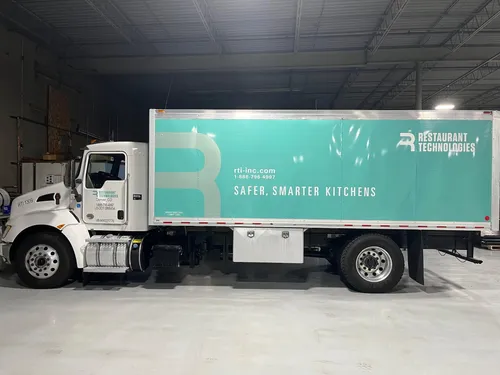
Restaurant Technologies- Denver CO
4771 Holly St Unit G, Denver, CO 80216
Restaurant Technologies- Denver CO provides automated cooking oil delivery, filtration, and recycling services for commercial kitchens in Denver, CO. Their Total Oil Management system includes installing tanks and automatic controls to safely deliver fresh oil and remove used oil without manual handling. This closed-loop process helps reduce hazards and improve kitchen safety by eliminating the need for employees to handle hot, dirty fryer oil. The company operates a depot in Denver and supports sustainability initiatives through efficient oil recycling.
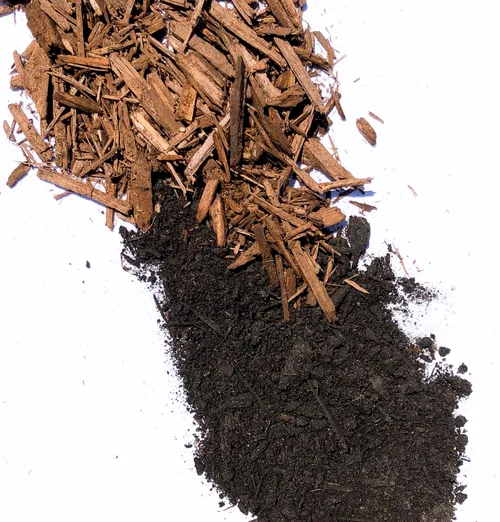
A1 Organics
9109 Monaco St, Henderson, CO 80640
A1 Organics is a family-owned business based in Aurora, CO, specializing in organic recycling and composting services. Since 1974, they have provided commercial landscapers, municipalities, and institutions with certified compost, premium mulches, and organic soil blends. The company operates multiple facilities along the Front Range, including Eaton, Keenesburg, Commerce City, and Englewood, and diverts over 525,000 tons of waste annually from Colorado landfills. A1 Organics also collects used cooking oil and liquid food residuals, recycling 34 million gallons each year. Their certified compost products are STA Certified® and OMRI® Listed, supporting sustainable landscaping and agriculture in the region.
Understanding Longmont's Regulations for Grease and Oil
Navigating local rules is the first step for any food service establishment. Longmont has specific mandates designed to protect the city's sewer infrastructure and promote recycling.
The Universal Recycling Ordinance (URO) A key regulation is Longmont's Universal Recycling Ordinance. As of June 1, 2025, this ordinance requires all food-related businesses to compost organic waste, which explicitly includes used cooking oil. This means simply pouring oil down the drain is not only harmful but also a violation of city code. The URO is part of a broader effort to achieve universal recycling, making proper oil management a legal obligation for restaurant operators.
Grease Interceptor (Grease Trap) Requirements Closely tied to oil management are the rules for grease interceptors. The City of Longmont mandates that restaurants install and maintain adequately sized grease traps. These devices capture fats, oils, and grease (FOG) before they enter the wastewater system. Regular cleaning and maintenance are required, and you must keep detailed records of all service. These logs must be available for review during city inspections to demonstrate ongoing compliance.
Proper Storage Protocols How you store oil before pickup is also regulated. Used cooking oil must be kept in sealed, designated containers, such as lockable drums or outdoor storage tanks provided by your collection service. Proper storage prevents spills, avoids pest problems, and minimizes contamination, which preserves the oil's value for recycling.
The Step-by-Step Process of Professional UCO Collection
Engaging a professional service streamlines compliance and handles the logistical heavy lifting. Here's how a typical used cooking oil pickup and recycling program works.
1. Initial Filtration and On-Site Storage The process begins in your kitchen. After cooking, oil should be filtered to remove large food solids. The cooled, filtered oil is then transferred to a dedicated storage container. Many service providers supply these containers-ranging from small bins to large outdoor tanks-as part of their service agreement. This initial step is crucial for maintaining oil quality.
2. Scheduled Pickup by Licensed Haulers A licensed hauler will establish a regular pickup schedule based on your volume, which could be weekly, bi-weekly, or monthly. They use specialized trucks equipped with pumps and tanks to safely and efficiently collect the oil from your storage container. This scheduled service ensures you never have an overfull container and maintains a consistent workflow for your staff.
3. Transportation and Conversion to Biofuel Once collected, the oil is transported to a processing facility. There, it undergoes further purification to remove any remaining impurities and water. The cleaned oil is then used as a primary feedstock in the production of biodiesel, a renewable fuel, or sometimes repurposed for animal feed. This transformation is the core of the recycling loop.
4. Essential Documentation for Compliance A critical service provided by reputable haulers is documentation. After each pickup, you should receive a service ticket or log detailing the date and quantity collected 1. Maintaining these records is vital for proving compliance with the URO and grease interceptor ordinances during city audits.
Find the perfect used cooking oil collection companies for your needs
Get personalized recommendations and expert advice
Financial Considerations: Cost, Value, and Potential Revenue
Understanding the economics of used cooking oil collection helps in selecting the right service partner. The model is often designed to benefit restaurants with consistent output.
Service Models: Free Pickup vs. Fees The financial structure typically depends on your monthly oil volume. It is common for providers to offer free collection services once you reach a certain threshold, often around 100 gallons per month 2. For establishments producing less, there may be a nominal service fee. The rationale is that the hauler generates revenue by selling the oil to biodiesel refiners, and they share that value with you through free service.
Rebates and Revenue Sharing For high-volume producers, the arrangement can become even more favorable. Some companies offer rebate programs where restaurants earn a share of the revenue generated from their high-quality oil 3. The key factor is oil quality: oil with low levels of water and food contaminants is more valuable. This creates a direct incentive for proper kitchen-side filtering and storage.
Equipment and Setup Initial setup costs are generally minimal. Most established collection companies provide the necessary storage tank or container at no upfront charge as part of the service agreement 4. They maintain ownership and responsibility for the equipment, removing a capital expense barrier for restaurant owners.
Choosing a Service Provider in the Longmont Area
Selecting the right partner is about more than just scheduling pickups. A good provider acts as a compliance ally and operational asset.
Key Service Offerings to Look For When evaluating providers, ensure they offer:
- Licensed and Insured Operations: Verify they are fully licensed to operate in Colorado and carry appropriate insurance.
- Compliance Documentation: They must provide detailed pickup logs and certificates of recycling.
- Reliable Scheduling: Consistent, on-time pickups to prevent overflow.
- Quality Equipment: Providing sturdy, leak-proof containers that are appropriate for your space and volume.
- Local Knowledge: Familiarity with Longmont's specific URO and water quality regulations 5.
Local and Regional Service Examples While several national and regional companies operate in Colorado, local service is essential. Providers like Mahoney Environmental and Grease Connections are examples of companies that service the Denver metro area, including Longmont, and understand the regional regulatory landscape 6. It's advisable to get quotes and service details from a few providers to compare schedules, container options, and financial terms.
Integrating Oil Management with Overall Grease Compliance Remember, your used cooking oil collection is one part of a broader grease compliance picture. Your provider should be able to discuss how their service integrates with your mandatory grease trap maintenance schedule 7. Some companies offer both services, which can simplify vendor management and ensure all your FOG-related compliance needs are met seamlessly.
The Environmental and Community Impact
Participating in a formal used cooking oil recycling program extends benefits far beyond your kitchen doors. Diverting this waste stream from landfills and sewers has a significant positive impact. The conversion to biodiesel creates a renewable fuel that burns cleaner than petroleum diesel, reducing greenhouse gas emissions and reliance on fossil fuels. By complying with the URO, Longmont restaurants are directly supporting the city's sustainability goals, helping to build a more resilient local environment and setting a standard for responsible business practices in the community.
Frequently asked questions
Sources
Footnotes
-
Used Cooking Oil (UCO) Collection Service For Restaurants - https://thegreasecompany.com/blog/restaurant-used-cooking-oil-collection/ ↩
-
Used Cooking Oil Disposal: Complete Guide to Grease Pickups - https://greaseconnections.com/used-cooking-oil-disposal-guide-grease-pickups/ ↩
-
Restaurant Used Cooking Oil Recycling & Disposal Guide - https://greaseconnections.com/restaurant-used-cooking-oil-disposal-recycling-revenue-guide/ ↩
-
Professional Used Cooking Oil Recycling Services in Denver ... - https://www.mahoneyes.com/restaurant-oil-recycling-denver-co/ ↩
-
The Fourth Phase of Longmont's Universal Recycling Ordinance Is ... - https://longmontcolorado.gov/news/79081/ ↩
-
The Ultimate Guide to Restaurant Oil Disposal & Waste Cooking ... - https://kernuco.com/post/restaurant-oil-disposal ↩
-
Grease Traps - City of Longmont - https://longmontcolorado.gov/environment/water-quality/grease-traps/ ↩