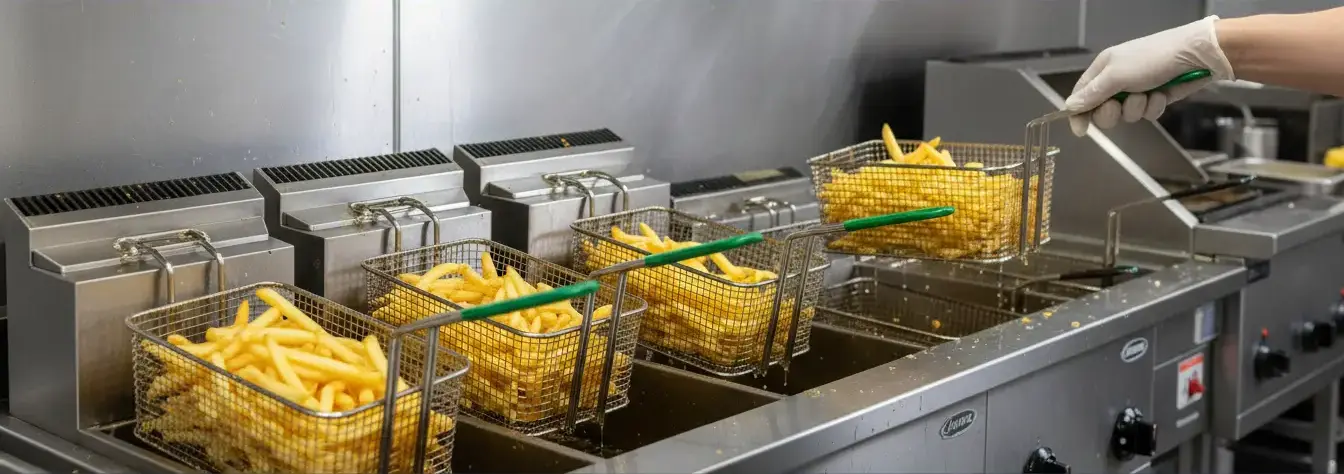
Find the Best Used Cooking Oil Collection Companies for Your Business
No obligation • Fast responses • Nationwide coverage

Why you can trust Restaurant Waste Disposal
Restaurant Waste Disposal is a leading U.S. resource for comparing restaurant composting, food-waste recycling, grease trap cleaning, and used cooking oil collection services. Our editorial team researches providers, checks credentials, and organizes unbiased information so operators can make informed decisions. Companies cannot pay to change ratings or placement.
Search providers near you
Top Used Cooking Oil Collection Companies in Littleton, Colorado Ranked
For restaurants in Littleton, managing used cooking oil (UCO) is a critical operational and environmental task. Proper grease collection and recycling not only ensure compliance with local wastewater regulations but also transform a waste product into valuable resources like biodiesel. By partnering with a licensed hauler, food service establishments can implement a safe, efficient system for oil disposal that often comes at little to no cost, depending on volume. Adhering to best practices for storage and pickup protects your business from fines and contributes to Littleton's sustainability goals.
Establishing a reliable grease recycling program involves understanding the local rules, selecting the right service provider, and following correct handling procedures. This guide outlines the essential steps for Littleton restaurants to navigate used cooking oil collection, from proper on-site storage to the final recycling process.
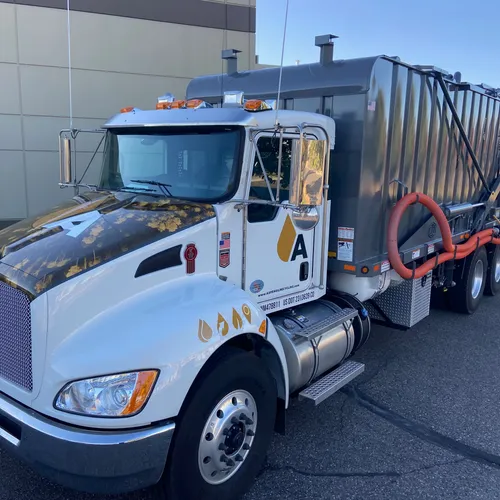
Aspen Oil Recycling
Denver, CO
Aspen Oil Recycling provides used cooking oil collection services in Denver, CO. They serve a variety of clients including restaurants, stadiums, food processors, and schools. The company is capable of handling large volumes of used cooking oil and offers specialized equipment such as heated containers to maintain oil liquidity during cold weather. Aspen Oil Recycling has been serving customers since at least 2018.
Denver Oil
5501 Fenton St, Arvada, CO 80002
Denver Oil is a used cooking oil collection company based in Denver, CO. The company specializes in collecting used cooking oil from various commercial sources to support recycling and proper disposal efforts. Denver Oil serves the local Denver area with a focus on environmentally responsible oil collection.
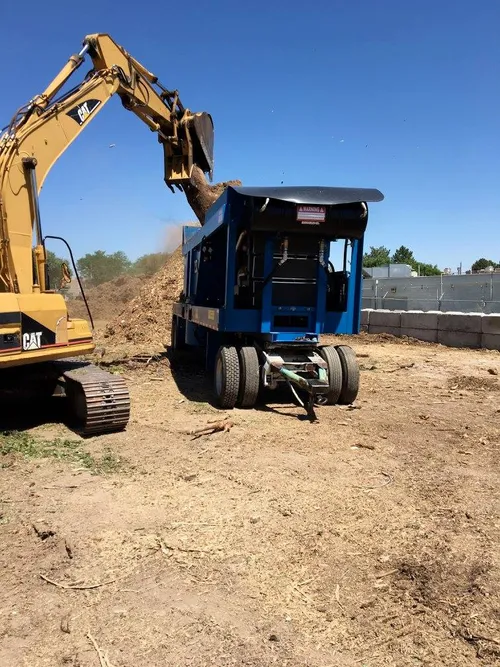
AESTHETIC ALTERNATIVE RECYCLING, LLC
2450 S Syracuse Way, Denver, CO 80231
AESTHETIC ALTERNATIVE RECYCLING, LLC operates in Denver, CO, specializing in the collection of used cooking oil. The company focuses on environmentally responsible recycling services, helping businesses manage their cooking oil waste efficiently.
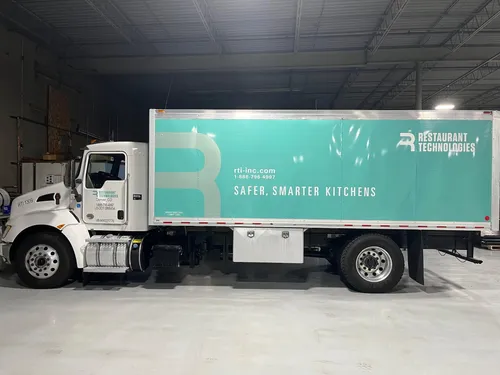
Restaurant Technologies- Denver CO
4771 Holly St Unit G, Denver, CO 80216
Restaurant Technologies- Denver CO provides automated cooking oil delivery, filtration, and recycling services for commercial kitchens in Denver, CO. Their Total Oil Management system includes installing tanks and automatic controls to safely deliver fresh oil and remove used oil without manual handling. This closed-loop process helps reduce hazards and improve kitchen safety by eliminating the need for employees to handle hot, dirty fryer oil. The company operates a depot in Denver and supports sustainability initiatives through efficient oil recycling.
A1 Organics
9109 Monaco St, Henderson, CO 80640
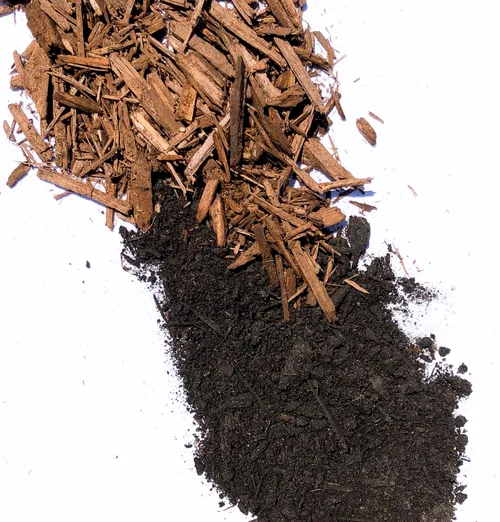
A1 Organics is a family-owned business based in Aurora, CO, specializing in organic recycling and composting services. Since 1974, they have provided commercial landscapers, municipalities, and institutions with certified compost, premium mulches, and organic soil blends. The company operates multiple facilities along the Front Range, including Eaton, Keenesburg, Commerce City, and Englewood, and diverts over 525,000 tons of waste annually from Colorado landfills. A1 Organics also collects used cooking oil and liquid food residuals, recycling 34 million gallons each year. Their certified compost products are STA Certified® and OMRI® Listed, supporting sustainable landscaping and agriculture in the region.
Understanding Local FOG Regulations
Littleton restaurants must comply with the Fats, Oils, and Grease (FOG) policy enforced by South Platte Renew, the local water reclamation authority. These regulations are designed to prevent sewer blockages and overflows, which can lead to significant environmental damage and costly fines for businesses. The policy mandates that all food service establishments properly handle and dispose of grease and used cooking oil 1.
Key requirements include using approved, leak-proof containers for waste grease and ensuring oil is never poured down drains or into storm sewers. Regular inspections may be conducted to verify compliance. By following these guidelines, restaurants not only avoid penalties but also play a direct role in protecting the South Platte River watershed. Proper grease management is a shared responsibility for maintaining the community's infrastructure.
Step-by-Step: The Grease Collection Process
Implementing a smooth oil collection routine involves a few key steps. Following this process ensures safety, efficiency, and regulatory compliance.
Cooling and Filtering Before transferring oil to storage containers, it must be allowed to cool to a safe temperature, ideally below 120°F. This prevents burns to staff and damage to plastic storage bins. Once cooled, the oil should be filtered to remove food particles and sediment. This step is crucial, as cleaner oil has a higher recycling value and is less likely to cause issues with your storage equipment.
Secure Storage The filtered oil should be poured into designated, lidded containers provided by your collection service. In Littleton, these are often called Waste Grease Bins (WGBs). Regulations require these containers to be weather-tight, durable, and clearly labeled. They should be stored in an accessible, well-ventilated area, typically near a back door or in a service alley, to allow for easy pickup by hauler trucks.
Scheduled Pickup and Recycling You will work with your service provider to establish a regular pickup schedule-weekly, bi-weekly, or monthly-based on your volume. On service day, the hauler will pump the oil from your bins into their specialized truck. The oil is then transported to a processing facility where it is converted into renewable products like biodiesel, animal feed, or industrial lubricants. Always request documentation or a manifest from the hauler as proof of proper recycling for your records.
Choosing a Collection Service in Littleton
Selecting the right partner for your used cooking oil needs is essential. Look for a licensed, insured, and reputable hauler with experience serving the Denver Metro and Littleton area.
Service Offerings Many providers offer comprehensive programs that include the free placement of collection bins, regular scheduled pickups, and maintenance of the storage area. Some companies, like Mahoney Environmental and Aspen Oil, service the Littleton region 2. It's beneficial to inquire about additional services, such as grease trap cleaning or fresh cooking oil delivery, which can sometimes be bundled for convenience and potential cost savings 3.
Evaluating Costs and Value Pricing for grease collection is typically volume-based. For restaurants generating larger volumes (often over 100 gallons per month), pickup and bin rental are frequently offered for free. In some cases, high-volume producers may even receive a small revenue share per gallon. For establishments with lower output, there may be a modest service fee. It's important to get clear details on all costs and potential revenue structures when comparing providers 4 5 6.
Find the perfect used cooking oil collection companies for your needs
Get personalized recommendations and expert advice
Best Practices for On-Site Oil Management
Beyond the basic steps, adopting these best practices can streamline your operations and enhance safety.
Container Maintenance and Placement Regularly inspect your Waste Grease Bins for cracks, leaks, or damaged lids. Keep the area around the containers clean and free of debris to prevent pests and accidents. Ensure the location is always accessible for the service truck; blocked bins can lead to missed pickups and overflow issues. Proper placement and maintenance are your first line of defense against spills and violations 7.
Staff Training and Safety Educate all kitchen staff on the correct procedures for handling, cooling, and filtering used oil. Emphasize that used cooking oil must be kept completely separate from other waste streams like automotive oil, chemicals, or general garbage. Clear signage and labeled containers help prevent costly mistakes. Proper training turns oil management from a chore into a standard, safe part of kitchen closing duties 8 9.
Environmental and Community Benefits Participating in a formal recycling program means your used oil is repurposed rather than landfilled. Recycling into biodiesel creates a cleaner-burning fuel alternative, reducing greenhouse gas emissions. By responsibly managing your grease, your restaurant contributes to local sustainability initiatives and demonstrates a commitment to environmental stewardship that resonates with the Littleton community 10 11.
Frequently asked questions
Sources
Footnotes
-
Industrial Pretreatment Division Fats, Oils and Grease (FOG) Policy - https://southplatterenewco.gov/wp-content/uploads/2020/09/SPR-FOG-Policy-Rev-4.pdf ↩
-
Cooking Oil Collection - Aspen Oil Recycling - https://www.aspenoilrecycling.com/cooking-oil-collection/ ↩
-
How Restaurants Can Save Money by Recycling Grease and Oil - https://safewayusedoil.com/2024/12/how-restaurants-can-save-money-by-recycling-grease-and-oil/ ↩
-
Professional Used Cooking Oil Recycling Services in Denver ... - https://www.mahoneyes.com/restaurant-oil-recycling-denver-co/ ↩
-
Grease Collection Service: What is it - https://www.grandnaturalinc.com/blog/what-is-grease-collection-service.html ↩
-
Restaurant Used Cooking Oil: Disposal, Recycling & Revenue Guide - https://greaseconnections.com/restaurant-used-cooking-oil-disposal-recycling-revenue-guide/ ↩
-
Used Cooking Oil Disposal: Complete Guide to Grease Pickups - https://greaseconnections.com/used-cooking-oil-disposal-guide-grease-pickups/ ↩
-
Used Oil and Cooking Grease Take-Back Event - South Platte Renew - https://southplatterenewco.gov/community-event/south-platte-water-treatment-plant-kick-off-event/ ↩
-
Restaurant Oil Disposal: Explained - Eazy Grease - https://eazygrease.com/how-do-restaurants-get-rid-of-their-oil/ ↩
-
Used Cooking Oil (UCO) Collection Service For Restaurants - https://thegreasecompany.com/blog/restaurant-used-cooking-oil-collection/ ↩
-
Littleton, - Facebook - https://www.facebook.com/CityofLittleton/photos/got-leftover-cooking-grease-from-thanksgiving-instead-of-dumping-it-down-the-dra/1274607701374640/ ↩