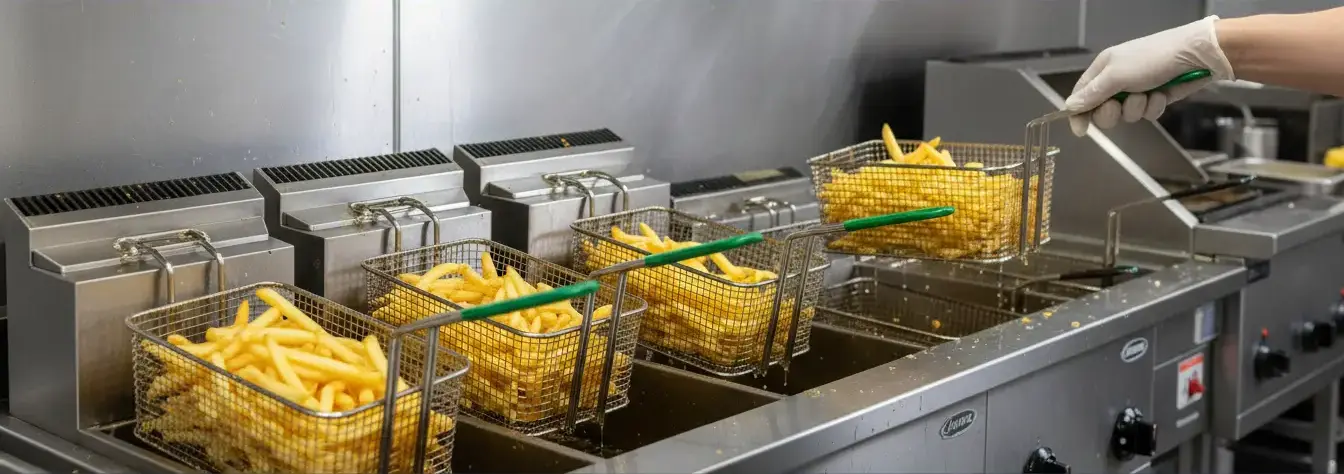
Find the Best Used Cooking Oil Collection Companies for Your Business
No obligation • Fast responses • Nationwide coverage

Why you can trust Restaurant Waste Disposal
Restaurant Waste Disposal is a leading U.S. resource for comparing restaurant composting, food-waste recycling, grease trap cleaning, and used cooking oil collection services. Our editorial team researches providers, checks credentials, and organizes unbiased information so operators can make informed decisions. Companies cannot pay to change ratings or placement.
Search providers near you
Top Used Cooking Oil Collection Companies in Lakewood, Colorado Ranked
For restaurants and food service businesses in Lakewood, managing used cooking oil (UCO) is a critical operational and environmental responsibility. Properly handling this waste stream isn't just about cleanliness; it's a regulated process that transforms a potential liability into a valuable resource for renewable energy. New Jersey state law mandates specific procedures for the storage, transportation, and recycling of yellow grease, requiring businesses to partner with licensed haulers and maintain detailed records. This guide outlines the essential steps, local provider options, and compliance requirements for effective used cooking oil management in Lakewood.
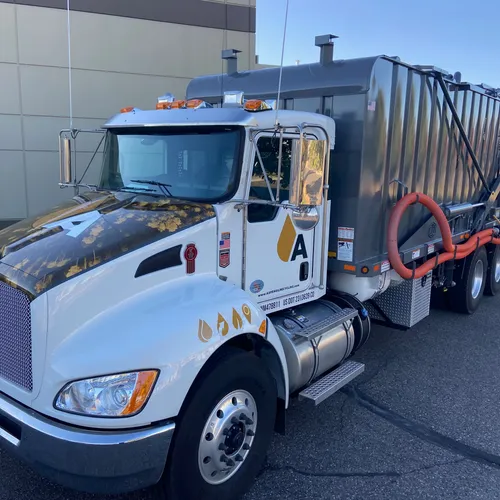
Aspen Oil Recycling
Denver, CO
Aspen Oil Recycling provides used cooking oil collection services in Denver, CO. They serve a variety of clients including restaurants, stadiums, food processors, and schools. The company is capable of handling large volumes of used cooking oil and offers specialized equipment such as heated containers to maintain oil liquidity during cold weather. Aspen Oil Recycling has been serving customers since at least 2018.
Denver Oil
5501 Fenton St, Arvada, CO 80002
Denver Oil is a used cooking oil collection company based in Denver, CO. The company specializes in collecting used cooking oil from various commercial sources to support recycling and proper disposal efforts. Denver Oil serves the local Denver area with a focus on environmentally responsible oil collection.
AESTHETIC ALTERNATIVE RECYCLING, LLC
2450 S Syracuse Way, Denver, CO 80231
AESTHETIC ALTERNATIVE RECYCLING, LLC operates in Denver, CO, specializing in the collection of used cooking oil. The company focuses on environmentally responsible recycling services, helping businesses manage their cooking oil waste efficiently.
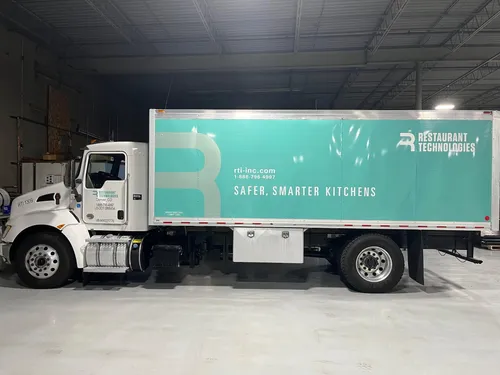
Restaurant Technologies- Denver CO
4771 Holly St Unit G, Denver, CO 80216
Restaurant Technologies- Denver CO provides automated cooking oil delivery, filtration, and recycling services for commercial kitchens in Denver, CO. Their Total Oil Management system includes installing tanks and automatic controls to safely deliver fresh oil and remove used oil without manual handling. This closed-loop process helps reduce hazards and improve kitchen safety by eliminating the need for employees to handle hot, dirty fryer oil. The company operates a depot in Denver and supports sustainability initiatives through efficient oil recycling.
A1 Organics
9109 Monaco St, Henderson, CO 80640
A1 Organics is a family-owned business based in Aurora, CO, specializing in organic recycling and composting services. Since 1974, they have provided commercial landscapers, municipalities, and institutions with certified compost, premium mulches, and organic soil blends. The company operates multiple facilities along the Front Range, including Eaton, Keenesburg, Commerce City, and Englewood, and diverts over 525,000 tons of waste annually from Colorado landfills. A1 Organics also collects used cooking oil and liquid food residuals, recycling 34 million gallons each year. Their certified compost products are STA Certified® and OMRI® Listed, supporting sustainable landscaping and agriculture in the region.
Understanding New Jersey's Regulatory Framework
New Jersey has established a clear regulatory framework to ensure used cooking oil is recycled responsibly and not improperly disposed of, which can harm sewer systems and the environment. The cornerstone of this system is the A-901 Solid Waste Registration Program, which requires all transporters of solid waste-including used cooking oil-to be registered with the New Jersey Department of Environmental Protection (NJDEP). This means any hauler you contract with in Lakewood must hold this valid registration.
The most critical document in this process is the Uniform Hazardous Waste Manifest, though used cooking oil itself is often not classified as hazardous. A state-specific manifest (NJDEP form) is required to create a verifiable chain of custody for every pickup1. This manifest travels with the oil from your restaurant to the recycling facility, with each party (generator, transporter, and processor) signing and retaining copies. You are required to keep these manifests on file for a minimum of three years for potential inspection.
The Step-by-Step Process for Lakewood Restaurants
Implementing a compliant oil collection system involves a straightforward partnership between your business and a professional hauler.
1. On-Site Storage and Preparation After use, allow the oil to cool completely. While not always mandatory, filtering out large food particles can improve the quality of your oil and potentially increase its value. The oil must then be stored in a dedicated, secure container. Reputable collection companies typically provide these containers-often lockable, durable bins designed to prevent leaks, contamination, and theft. These bins should be placed in a designated, accessible area for scheduled pickups.
2. Scheduled Collection by a Licensed Hauler Your contracted service provider will schedule regular pickups based on your volume of oil production. Upon collection, the driver will complete the mandatory NJDEP manifest, providing you with your copy. It is crucial to verify that the hauler is registered (A-901) and that they properly fill out this paperwork during each service visit2 3.
3. Recycling and End Use The collected oil is not simply "disposed of." It is transported to a processing facility where it is cleaned, filtered, and converted into valuable products. The primary end product is biodiesel, a renewable fuel that powers vehicles and heating systems. It can also be processed into animal feed supplements, lubricants, or ingredients for the chemical industry4. This circular economy model is the driving force behind the collection industry.
Choosing a Service Provider in Lakewood
Selecting the right partner is key to ensuring compliance, reliability, and potentially generating revenue from your used oil.
Key Selection Criteria:
- NJDEP A-901 Registration: Always confirm the hauler is registered with the state. This is non-negotiable for legal compliance.
- Manifest Provision: Ensure the company provides and correctly completes the required NJDEP manifest with every pickup.
- Container Security: Providers should supply robust, lockable collection bins to safeguard your oil.
- Service Reliability: Look for consistent, scheduled service to prevent overflow and mess.
- Transparent Terms: Understand the service agreement, whether it's a fee-based service, a rebate program, or a no-contract arrangement.
Several providers service the Lakewood and broader Ocean County area. Companies like Grease Connections, Eazy Grease, and D&W Alternative Energy offer comprehensive used cooking oil collection, providing bins, handling manifests, and ensuring the oil is recycled properly 5. It's advisable to contact multiple providers to discuss your specific volume and needs.
Find the perfect used cooking oil collection companies for your needs
Get personalized recommendations and expert advice
Cost Structure and Potential Revenue
The financial model for used cooking oil collection can vary. Unlike many waste services that always carry a fee, used oil collection operates in a commodity market.
- Rebate/Payment Programs: Many haulers will pay you for your used cooking oil, often referred to as "yellow grease." The price per gallon fluctuates with the market for biofuels and feedstocks but can provide a small revenue stream or offset other waste management costs6 7.
- Fee-Based Services: For smaller generators or in certain market conditions, a service fee may apply. This fee covers the cost of collection, transportation, and recycling.
- No-Fee/No-Contract Options: Some providers offer free collection with no long-term contract, particularly if the volume and quality of oil are consistent, as their revenue comes from selling the processed commodity.
Always clarify the pricing model-whether it's a rebate, a fee, or free service-before signing an agreement.
Best Practices and Prohibitions
Adhering to best practices keeps your operation smooth and compliant.
- Never Mix Oils: Under no circumstances should you mix used motor oil, lubricants, or other chemicals with your used cooking oil. This contaminates the batch, making it unsuitable for recycling into biodiesel or feed, and can create a hazardous waste issue8 9.
- Maintain Records Diligently: Organize and store all your manifests for the required three-year period. A simple binder or digital folder can suffice for inspections.
- Secure Your Bin: Use lockable bins and place them in a monitored area to prevent unauthorized dumping or theft, which is a growing concern due to the value of grease.
- Cool Before Transfer: Always allow oil to cool before pouring it into the storage bin to prevent burns and damage to the container.
- Understand Food Waste Rules: While separate from oil rules, larger food service establishments (generating over 52 tons of food waste per year) may also be subject to NJ's Food Waste Recycling Rules, requiring source separation of food scraps10. It's wise to evaluate your total waste streams.
The Environmental and Community Impact
By participating in a formal used cooking oil recycling program, Lakewood businesses contribute significantly to local and global sustainability efforts. Diverting this oil from landfills and sewers prevents pipe blockages, reduces municipal treatment costs, and minimizes environmental contamination. The conversion to biodiesel directly supports renewable energy goals, reducing reliance on fossil fuels and lowering greenhouse gas emissions11. It's a practical example of a circular economy in action, turning local restaurant waste into a productive resource.
Frequently asked questions
Sources
Footnotes
-
S2166 - NJ Legislature - https://pub.njleg.gov/bills/2014/S2500/2166_I1.HTM ↩
-
NJ Franchise Grease Recycling & SOPs 2025 - https://greaseconnections.com/nj-franchise-grease-recycling-sop/ ↩
-
NJ School Cafeteria Grease Checklist & Oil Disposal - https://greaseconnections.com/nj-school-cafeteria-grease-oil-disposal/ ↩
-
What happens with the used oil from restaurants and fast-food ... - https://www.quora.com/What-happens-with-the-used-oil-from-restaurants-and-fast-food-chains-Is-there-any-sort-of-recycling ↩
-
Used Cooking Oil Collection & Recycling - D&W Alternative Energy - https://dandwalternativeenergy.com/used-cooking-oil-collection/ ↩
-
Used Cooking Oil Recycling & Grease Collection | Elizabeth - https://greaseconnections.com/locations/nj/union/elizabeth/ ↩
-
Used Cooking Oil Recycling Service in New Jersey - https://eazygrease.com/used-cooking-oil-recycling-new-jersey/ ↩
-
Recycling Used Oil in New Jersey - https://www.nj.gov/dep/enforcement/4%20Understanding%20the%20Used%20Oil%20Regulations%20-%20Flite%206-3-09.pdf ↩
-
How to Dispose of Cooking Oil in New Jersey 2025 Complete Guide - https://greaseconnections.com/nj-cooking-oil-disposal-guide/ ↩
-
Food Waste Recycling rules - https://dep.nj.gov/dshw/swpl/fw/food-waste-recycling-rules/ ↩
-
Recycling Used Cooking Oil With Green Grease Environmental - https://www.youtube.com/watch?v=KP05Yx-GkHk ↩