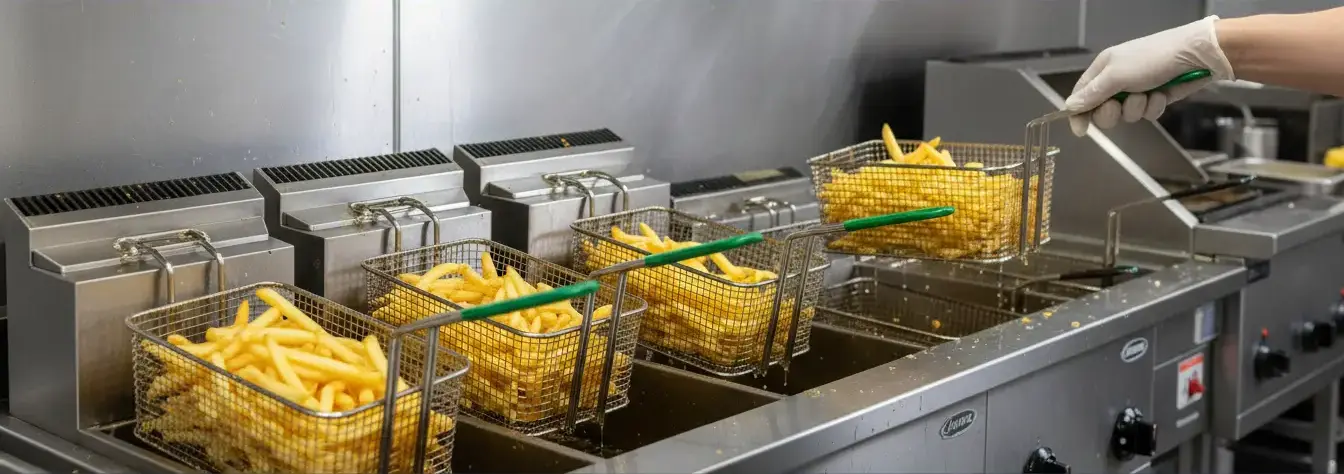
Find the Best Used Cooking Oil Collection Companies for Your Business
No obligation • Fast responses • Nationwide coverage

Why you can trust Restaurant Waste Disposal
Restaurant Waste Disposal is a leading U.S. resource for comparing restaurant composting, food-waste recycling, grease trap cleaning, and used cooking oil collection services. Our editorial team researches providers, checks credentials, and organizes unbiased information so operators can make informed decisions. Companies cannot pay to change ratings or placement.
Search providers near you
Top Used Cooking Oil Collection Companies in Commerce City, Colorado Ranked
For restaurants and commercial kitchens in Commerce City, managing used cooking oil (UCO) is more than just a cleaning task-it's a critical operational, environmental, and regulatory responsibility. Properly collecting and recycling this grease waste not only keeps your kitchen compliant with local and state regulations but can also turn a waste product into a potential revenue stream or cost offset. The process involves partnering with licensed haulers who provide storage containers and regular pickups, transforming your used oil into valuable resources like biodiesel. This guide outlines the essential steps, rules, and economic considerations for effective grease trap and fryer oil management in Commerce City.
Denver Oil
5501 Fenton St, Arvada, CO 80002
Denver Oil is a used cooking oil collection company based in Denver, CO. The company specializes in collecting used cooking oil from various commercial sources to support recycling and proper disposal efforts. Denver Oil serves the local Denver area with a focus on environmentally responsible oil collection.
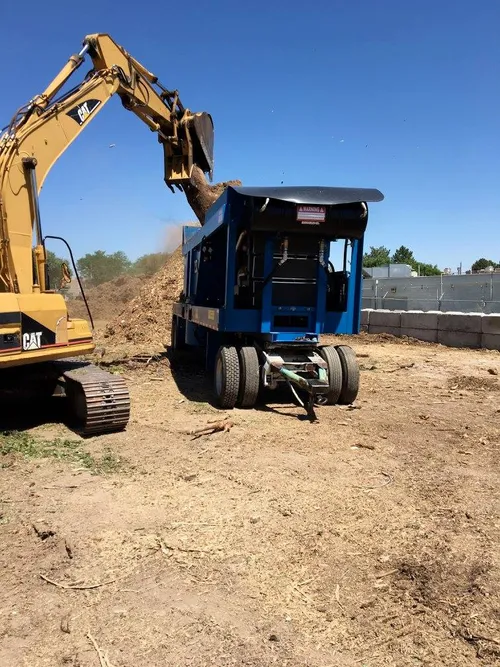
AESTHETIC ALTERNATIVE RECYCLING, LLC
2450 S Syracuse Way, Denver, CO 80231
AESTHETIC ALTERNATIVE RECYCLING, LLC operates in Denver, CO, specializing in the collection of used cooking oil. The company focuses on environmentally responsible recycling services, helping businesses manage their cooking oil waste efficiently.
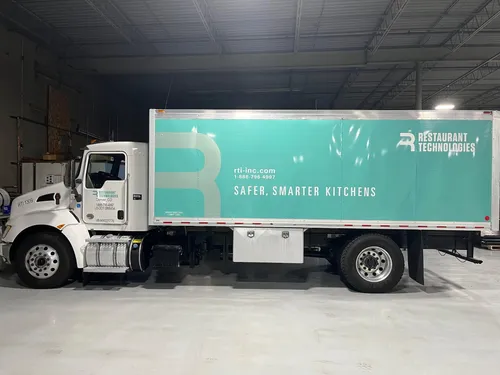
Restaurant Technologies- Denver CO
4771 Holly St Unit G, Denver, CO 80216
Restaurant Technologies- Denver CO provides automated cooking oil delivery, filtration, and recycling services for commercial kitchens in Denver, CO. Their Total Oil Management system includes installing tanks and automatic controls to safely deliver fresh oil and remove used oil without manual handling. This closed-loop process helps reduce hazards and improve kitchen safety by eliminating the need for employees to handle hot, dirty fryer oil. The company operates a depot in Denver and supports sustainability initiatives through efficient oil recycling.
A1 Organics
9109 Monaco St, Henderson, CO 80640
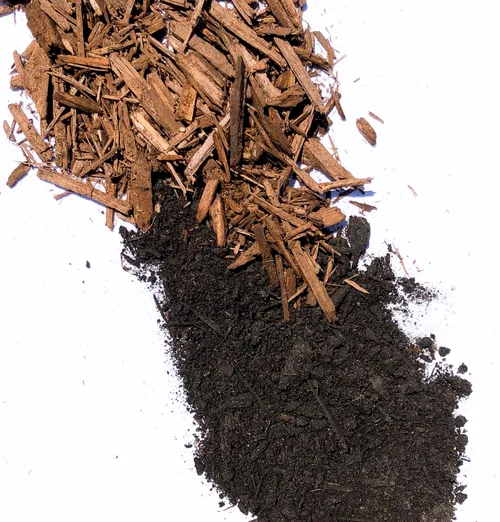
A1 Organics is a family-owned business based in Aurora, CO, specializing in organic recycling and composting services. Since 1974, they have provided commercial landscapers, municipalities, and institutions with certified compost, premium mulches, and organic soil blends. The company operates multiple facilities along the Front Range, including Eaton, Keenesburg, Commerce City, and Englewood, and diverts over 525,000 tons of waste annually from Colorado landfills. A1 Organics also collects used cooking oil and liquid food residuals, recycling 34 million gallons each year. Their certified compost products are STA Certified® and OMRI® Listed, supporting sustainable landscaping and agriculture in the region.
Understanding Local Regulations and Compliance
Navigating the regulatory landscape is the first step for any food service establishment. In Colorado, and specifically for operations within Commerce City and the broader Denver metro area, strict rules govern the disposal of Fats, Oils, and Grease (FOG).
Mandatory Licensed Haulers: You cannot simply pour used fryer oil down the drain or dispose of it with regular trash. To prevent sewer blockages and environmental harm, restaurants are required to dispose of UCO through licensed haulers, often referred to as "IKG" (Insoluble, Gelling, or Solidifying) waste haulers 1. Using an unlicensed service can result in significant fines.
Grease Trap Maintenance: Separate from fryer oil, your kitchen's grease interceptor also has specific mandates. Colorado regulations typically require that grease traps be pumped and cleaned when they reach 25% capacity with FOG 2. Regular, documented maintenance of these traps is a key part of compliance and prevents costly backups and violations.
Proper On-Site Storage: Compliance starts at your facility. Used cooking oil must be stored in dedicated, leak-proof containers with secure lids to prevent spills and keep contaminants out. These containers should be placed in an area that is easily accessible for collection trucks but secure from weather and unauthorized access 3 4. Clean oil free of food solids and water is not only a regulatory best practice but also increases its recycling value.
The Step-by-Step Collection and Recycling Process
Partnering with a professional used cooking oil recycler streamlines waste management into a predictable service. Here's how the typical process works from start to finish.
1. Contact and Consultation: The first step is to reach out to licensed UCO recycling providers serving the Commerce City area. They will assess your kitchen's volume, frequency of oil changes, and available space to recommend a service plan.
2. Container Provision and Setup: The service provider will typically supply you with specialized storage drums or containers designed for used oil collection at no upfront cost. They ensure these are positioned correctly for safe and efficient use by your staff.
3. Scheduled Pickups: Based on your cooking volume, you'll establish a regular pickup schedule. Many providers offer off-hours or early morning collection to avoid disrupting your kitchen's operations. This scheduled service ensures you never have an overfull, hazardous container.
4. Collection and Transportation: On the scheduled day, a trained technician will pump the oil from your storage container into their specialized collection tanker truck. They handle all the heavy lifting and clean up any minor spills.
5. Recycling and Transformation: The collected oil is transported to a processing facility. There, it is filtered, purified, and converted into raw materials for biodiesel production or, in some cases, re-refined into new industrial lubricants or animal feed components. This closed-loop process is the core of the recycling benefit.
6. Documentation: Reputable haulers provide you with documentation, such as service tickets or weight tickets, which serve as proof of proper disposal for your regulatory records.
Find the perfect used cooking oil collection companies for your needs
Get personalized recommendations and expert advice
Economic Considerations: Cost, Revenue, and Rebates
The financial model for used cooking oil collection isn't one-size-fits-all; it depends heavily on your volume and the quality of oil you produce. Understanding this can help you manage costs or even generate a small income stream.
Free Pickup for Lower Volumes: Many providers offer free collection services for establishments generating smaller amounts of used oil, typically under 100 gallons per month. This service removes a waste product at no charge, providing clear cost savings over alternative disposal methods.
Rebates and Credits for Medium to High Volumes: If your restaurant goes through a significant amount of frying oil, you may qualify for a rebate. For medium-volume producers (e.g., 100-300 gallons per month), small rebates in the range of $0.10 to $0.25 per gallon are possible 5 6. High-volume establishments (over 300 gallons monthly) with clean, well-managed oil can see higher rebates, potentially ranging from $0.25 to over $0.65 per gallon 7 6. These rebates can be issued as a check or applied as a credit against other services, such as grease trap cleaning.
The Importance of Oil Quality: The single biggest factor influencing your rebate potential is the quality of the oil you provide. Oil that is kept free of water, food debris, and other contaminants is more valuable to recyclers and commands a better price. Proper on-site storage and handling directly impact your bottom line.
Choosing a Service Provider in the Denver Metro Area
Several reputable, licensed providers service Commerce City and the greater Denver region. When evaluating your options, consider their reliability, compliance documentation, and the flexibility of their service plans.
- Mahoney Environmental: A national provider with local service, offering comprehensive used cooking oil recycling and grease trap services for restaurants.
- Aspen Oil Recycling: A local Colorado company providing cooking oil collection and recycling services 8.
- Denver Oil: A service focused on used oil and grease collection in the metro area, including Commerce City 9.
Next Steps for Your Kitchen: It's advisable to contact multiple licensed haulers to request quotes. Discuss your specific volume, desired pickup frequency, container needs, and ask for clarity on their rebate or credit structure 10 11. Comparing these details will help you find the most reliable and economically beneficial partnership for your business.
Environmental and Community Benefits
Beyond compliance and economics, proper used cooking oil collection delivers significant environmental advantages for Commerce City. Diverting this oil from landfills and sewers prevents pollution. When recycled into biodiesel, it creates a cleaner-burning alternative fuel, reducing reliance on fossil fuels and lowering overall carbon emissions 12. By participating in a professional recycling program, your restaurant contributes directly to a more sustainable local economy and a healthier community.
Frequently asked questions
Sources
Footnotes
-
Cooking Oil Collection & Grease Recycling Service - https://thegreasecompany.com/oilcollection.html ↩
-
Colorado Regulations for Grease Trap Pumping - McDonald Farms - https://mcdonaldfarmsinc.com/colorado-regulations-for-grease-trap-pumping/ ↩
-
How to dispose of or recycle Cooking oil (used) - Denvergov.org - https://www.denvergov.org/Government/Agencies-Departments-Offices/Agencies-Departments-Offices-Directory/Recycle-Compost-Trash/Trash-Recycle-Compost-Schedules-and-Reminders?_escaped_fragment_=rc-cpage%3D41160&lang_update=637713310511302192#!rc-cpage=41865 ↩
-
Cooking Oils & Grease - Recology - https://www.recology.com/faq/cleanscapes-cooking-oil-can-dispose-kitchen-oils-grease/ ↩
-
Used Cooking Oil Disposal: Complete Guide to Grease Pickups - https://greaseconnections.com/used-cooking-oil-disposal-guide-grease-pickups/ ↩
-
Used Cooking Oil Pricing & Business Guide - Grease Connections - https://greaseconnections.com/used-cooking-oil-pricing-guide/ ↩ ↩2
-
Restaurant Used Cooking Oil Recycling & Disposal Guide - https://greaseconnections.com/restaurant-used-cooking-oil-disposal-recycling-revenue-guide/ ↩
-
Cooking Oil Collection - Aspen Oil Recycling - https://www.aspenoilrecycling.com/cooking-oil-collection/ ↩
-
Used Oil Pickup Around Commerce City, CO - Denver Oil - https://www.denveroil.co/used-oil ↩
-
Professional Used Cooking Oil Recycling Services in Denver ... - https://www.mahoneyes.com/restaurant-oil-recycling-denver-co/ ↩
-
Used Cooking Oil (UCO) Collection Service For Restaurants - https://thegreasecompany.com/blog/restaurant-used-cooking-oil-collection/ ↩
-
Cooking Oil Disposal - Reyes Energy Corporation - https://www.reyesenergycorporation.com/cooking-oil-disposal/ ↩