Find the Best Used Cooking Oil Collection Companies for Your Business
No obligation • Fast responses • Nationwide coverage

Why you can trust Restaurant Waste Disposal
Restaurant Waste Disposal is a leading U.S. resource for comparing restaurant composting, food-waste recycling, grease trap cleaning, and used cooking oil collection services. Our editorial team researches providers, checks credentials, and organizes unbiased information so operators can make informed decisions. Companies cannot pay to change ratings or placement.
Search providers near you
Top Used Cooking Oil Collection Companies in Broomfield, Colorado Ranked
For restaurants and food service businesses in Broomfield, managing used cooking oil is a critical operational task that goes beyond simple disposal. Proper grease collection is essential for kitchen safety, environmental compliance, and can even become a small revenue stream. While the City and County of Broomfield offers a waste oil recycling program for residents, commercial entities must partner with private grease collection services for regular pickup and recycling. This guide outlines the local process, benefits, and key considerations for establishing a reliable used cooking oil (UCO) recycling program for your business.
Denver Oil
5501 Fenton St, Arvada, CO 80002
Denver Oil is a used cooking oil collection company based in Denver, CO. The company specializes in collecting used cooking oil from various commercial sources to support recycling and proper disposal efforts. Denver Oil serves the local Denver area with a focus on environmentally responsible oil collection.
AESTHETIC ALTERNATIVE RECYCLING, LLC
2450 S Syracuse Way, Denver, CO 80231
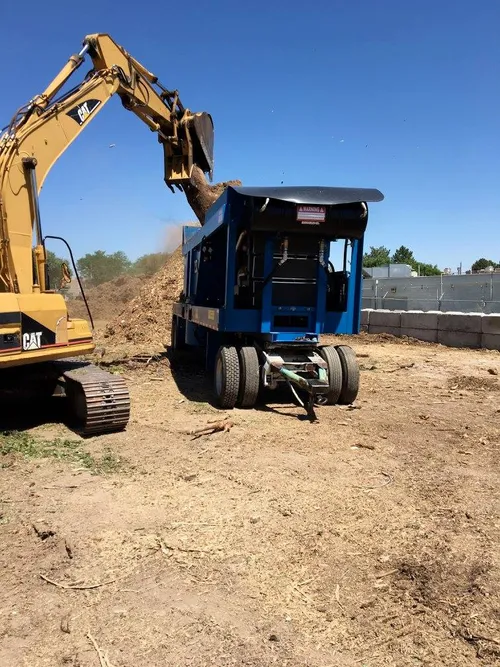
AESTHETIC ALTERNATIVE RECYCLING, LLC operates in Denver, CO, specializing in the collection of used cooking oil. The company focuses on environmentally responsible recycling services, helping businesses manage their cooking oil waste efficiently.
Restaurant Technologies- Denver CO
4771 Holly St Unit G, Denver, CO 80216
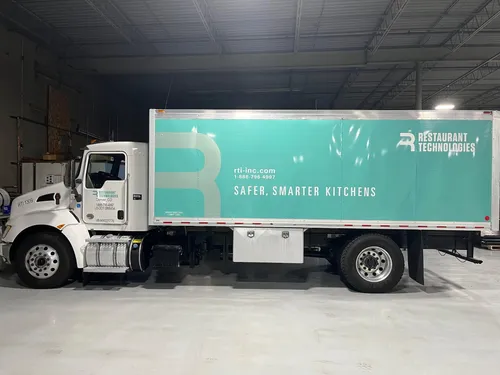
Restaurant Technologies- Denver CO provides automated cooking oil delivery, filtration, and recycling services for commercial kitchens in Denver, CO. Their Total Oil Management system includes installing tanks and automatic controls to safely deliver fresh oil and remove used oil without manual handling. This closed-loop process helps reduce hazards and improve kitchen safety by eliminating the need for employees to handle hot, dirty fryer oil. The company operates a depot in Denver and supports sustainability initiatives through efficient oil recycling.
A1 Organics
9109 Monaco St, Henderson, CO 80640
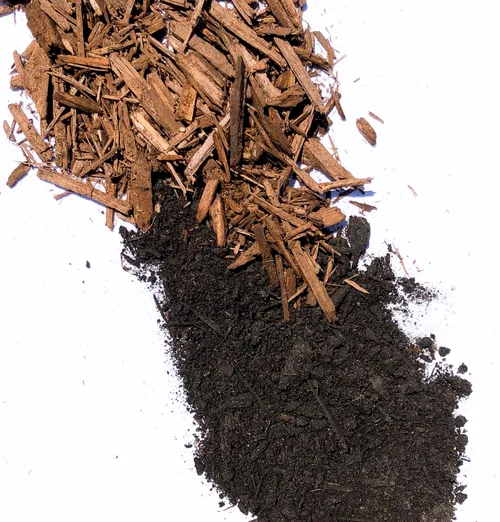
A1 Organics is a family-owned business based in Aurora, CO, specializing in organic recycling and composting services. Since 1974, they have provided commercial landscapers, municipalities, and institutions with certified compost, premium mulches, and organic soil blends. The company operates multiple facilities along the Front Range, including Eaton, Keenesburg, Commerce City, and Englewood, and diverts over 525,000 tons of waste annually from Colorado landfills. A1 Organics also collects used cooking oil and liquid food residuals, recycling 34 million gallons each year. Their certified compost products are STA Certified® and OMRI® Listed, supporting sustainable landscaping and agriculture in the region.
Understanding Commercial Grease Recycling in Broomfield
The first step for any Broomfield restaurant is recognizing that commercial grease trap cleaning and used fryer oil collection are handled by licensed private providers, not municipal services. The city's Public Works Fleet Services facility accepts waste oil from residents for recycling but does not provide pickup services for businesses. This means establishing a contract with a reputable collector is a necessary part of your waste management plan. These providers specialize in transforming what was once a waste product into valuable commodities like biodiesel, animal feed, and industrial lubricants.
Failing to arrange for proper oil collection can lead to significant problems. Pouring oil down drains is a major cause of sewer blockages and can result in costly fines from the city for damaging public infrastructure 1. Storing large quantities of oil on-site without a pickup plan also creates fire hazards and sanitation issues. A structured collection program mitigates these risks while contributing to Colorado's sustainability goals by diverting waste from landfills and supporting the renewable energy sector.
The Step-by-Step Process for Restaurant Oil Pickup
Implementing a smooth cooking oil recycling system involves a few clear steps, typically managed in partnership with your chosen service provider.
1. Contact a Licensed UCO Collector Your first action is to find a provider that services the Denver Metro and Broomfield area. Reputable companies such as Mahoney Environmental or Aspen Oil operate locally and can assess your needs 2. They will discuss your oil output volume, kitchen setup, and schedule to design a service plan.
2. Proper On-Site Storage Once you have a provider, they will usually supply you with specialized, sealed collection containers. These are designed to be leak-proof and have secure lids to prevent contamination from water or food debris 3. It's crucial to store these containers in a designated, accessible area for the collection driver. Keeping your oil clean by filtering out food particles maximizes its value for recyclers and can increase your potential rebate.
3. Scheduled Collection and Transport Your provider will establish a regular pickup schedule-whether weekly, bi-weekly, or monthly-based on your volume. Their trucks are equipped with pumps and tanks to safely and efficiently transfer the oil from your container. This regular removal ensures you never run out of storage space and maintains a clean, safe kitchen environment 4.
4. Recycling and Documentation After collection, the oil is transported to a processing facility. Here, it is cleaned and refined to be used as a feedstock for biodiesel production or other products. A key benefit of working with a professional service is the documentation they provide, which can be essential for your business records and for demonstrating environmental compliance.
Find the perfect used cooking oil collection companies for your needs
Get personalized recommendations and expert advice
Financial Considerations: Cost vs. Rebate
One of the most common questions from restaurant owners is about the cost of used cooking oil pickup. The answer isn't straightforward, as it often depends on the quality and quantity of oil you produce. Many collection services structure their agreements so that the cost is offset or even turned into a small source of revenue for your business through rebates.
- Low Volume (Less than 100 gallons/month): For smaller establishments, pickup is often provided as a free service. The recycler covers the cost of collection through the value of the oil itself, and you benefit from convenient, compliant disposal without a fee.
- Medium Volume (100-300 gallons/month): At this scale, you may start to see a rebate paid to your business, typically in the range of $0.10 to $0.25 per gallon collected 5. The exact rate depends on current market prices for recycled oil.
- High Volume (Over 300 gallons/month): High-output kitchens, like those in large restaurants or institutional cafeterias, can negotiate more favorable terms. Rebates for high-volume, high-quality oil can reach $0.25 to $0.65 or more per gallon 6 7.
The final rebate or cost is influenced by your contract length, the purity of your oil (free of water and food solids), and regional market rates for used cooking oil.
Best Practices for Maximizing Value and Safety
To ensure a successful partnership with your grease collector and protect your premises, follow these key guidelines:
- Cool Oil Before Handling: Always allow oil to cool completely before transferring it to your storage container to prevent burns and fire risk.
- Prevent Contamination: Keep your storage container lid securely closed. Never mix used cooking oil with water, soap, or other liquids, as this severely degrades its value for recycling.
- Maintain Your Grease Trap: Remember that used cooking oil collection is separate from grease interceptor (grease trap) cleaning. Both are essential services to keep your plumbing flowing and meet local codes. Food solids and greasy wastewater belong in the grease trap, while pure fryer oil belongs in the UCO collection bin.
- Know Your Backup Plan: If you have a small amount of oil from home cooking, the city does accept it at their recycling center. The official guidance is to cool the oil, mix it with an absorbent material like cat litter or coffee grounds, seal it in a non-recyclable container, and place it in the trash 8 9. This method is not suitable for commercial quantities.
The Environmental Impact of Recycling UCO
Choosing professional used cooking oil collection has a direct positive impact on the local and global environment. When oil is recycled into biodiesel, it burns cleaner than petroleum diesel, reducing greenhouse gas emissions and air pollutants 10. This process gives a waste product a second life, supporting a circular economy. Furthermore, by ensuring oil is properly collected, Broomfield businesses play a vital role in protecting the local watershed. Preventing grease from entering the sewer system helps maintain the health of streams and rivers and reduces the burden on municipal water treatment facilities.
Frequently asked questions
Sources
Footnotes
-
Protect Our Water System | City and County of Broomfield - https://www.broomfield.org/4155/Protect-Our-Water-System ↩
-
Professional Used Cooking Oil Recycling Services in Denver ... - https://www.mahoneyes.com/restaurant-oil-recycling-denver-co/ ↩
-
Used Cooking Oil (UCO) Collection Service For Restaurants - https://thegreasecompany.com/blog/restaurant-used-cooking-oil-collection/ ↩
-
Cooking Oil Collection - Aspen Oil Recycling - https://www.aspenoilrecycling.com/cooking-oil-collection/ ↩
-
Used Cooking Oil Disposal: Complete Guide to Grease Pickups - https://greaseconnections.com/used-cooking-oil-disposal-guide-grease-pickups/ ↩
-
Restaurant Used Cooking Oil Recycling & Disposal Guide - https://greaseconnections.com/restaurant-used-cooking-oil-disposal-recycling-revenue-guide/ ↩
-
Used Cooking Oil Pickup vs Drop-Off - GreasePros Recycling - https://www.greaseprosrecycling.com/used-cooking-oil-pickup-vs-drop-off/ ↩
-
Waste Oil Recycling | City and County of Broomfield - Official Website - https://www.broomfield.org/4298/Waste-Oil-Recycling ↩
-
Broomfield Recycling Guide - Official Website - Broomfield.org - https://broomfield.org/4055/Broomfield-Recycling-Guide ↩
-
What Happens To The Used Cooking Oil Once It Leaves Your Restaurant? - https://www.grandnatural.com/blog/what-happens-to-the-used-cooking-oil-once-it-leaves-your-restaurant.html ↩