Find the Best Used Cooking Oil Collection Companies for Your Business
No obligation • Fast responses • Nationwide coverage

Why you can trust Restaurant Waste Disposal
Restaurant Waste Disposal is a leading U.S. resource for comparing restaurant composting, food-waste recycling, grease trap cleaning, and used cooking oil collection services. Our editorial team researches providers, checks credentials, and organizes unbiased information so operators can make informed decisions. Companies cannot pay to change ratings or placement.
Search providers near you
Top Used Cooking Oil Collection Companies in Boulder, Colorado Ranked
For restaurants and food service establishments in Boulder, managing used cooking oil (UCO) is a critical operational and environmental responsibility. Proper grease trap maintenance and oil recycling are not just best practices but are mandated by local ordinances to protect the city's sewer infrastructure. By partnering with a licensed hauler, businesses can transform this waste stream into a resource, contributing to the production of renewable fuels like biodiesel while ensuring regulatory compliance. This process involves secure storage, scheduled pickups, and can even provide a potential revenue source depending on the volume and quality of the oil collected.
Denver Oil
5501 Fenton St, Arvada, CO 80002
Denver Oil is a used cooking oil collection company based in Denver, CO. The company specializes in collecting used cooking oil from various commercial sources to support recycling and proper disposal efforts. Denver Oil serves the local Denver area with a focus on environmentally responsible oil collection.
Restaurant Technologies- Denver CO
4771 Holly St Unit G, Denver, CO 80216
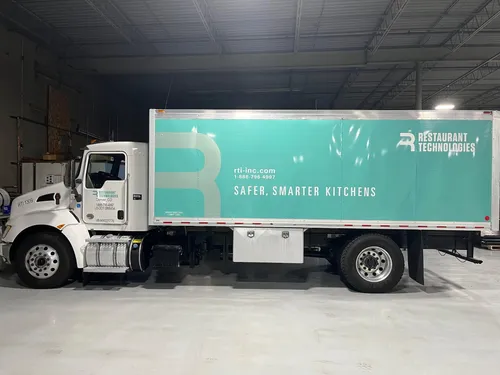
Restaurant Technologies- Denver CO provides automated cooking oil delivery, filtration, and recycling services for commercial kitchens in Denver, CO. Their Total Oil Management system includes installing tanks and automatic controls to safely deliver fresh oil and remove used oil without manual handling. This closed-loop process helps reduce hazards and improve kitchen safety by eliminating the need for employees to handle hot, dirty fryer oil. The company operates a depot in Denver and supports sustainability initiatives through efficient oil recycling.
A1 Organics
9109 Monaco St, Henderson, CO 80640
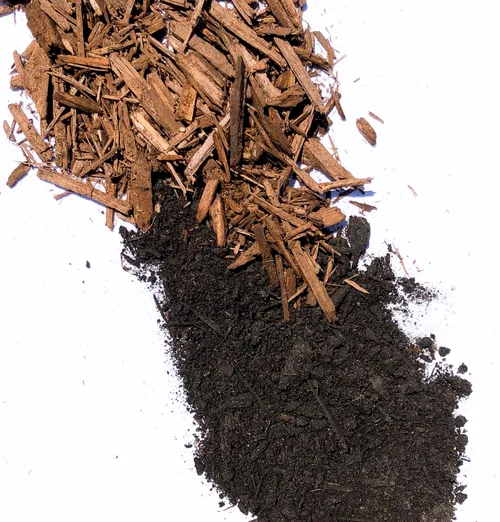
A1 Organics is a family-owned business based in Aurora, CO, specializing in organic recycling and composting services. Since 1974, they have provided commercial landscapers, municipalities, and institutions with certified compost, premium mulches, and organic soil blends. The company operates multiple facilities along the Front Range, including Eaton, Keenesburg, Commerce City, and Englewood, and diverts over 525,000 tons of waste annually from Colorado landfills. A1 Organics also collects used cooking oil and liquid food residuals, recycling 34 million gallons each year. Their certified compost products are STA Certified® and OMRI® Listed, supporting sustainable landscaping and agriculture in the region.
Understanding Boulder's Regulations for Fats, Oils, and Grease (FOG)
The City of Boulder enforces specific rules to prevent sewer blockages and overflows caused by fats, oils, and grease. Under the Boulder Revised Code 11-3-11, food service establishments are required to install and properly maintain grease interceptors (commonly called grease traps) 1. These devices capture FOG before it enters the wastewater system. The code also outlines requirements for the proper handling and storage of waste cooking oil, which typically necessitates using a licensed hauler for collection and recycling 2. Non-compliance can lead to significant fines and environmental harm, making it essential for every restaurant to understand and adhere to these local FOG management policies.
The Step-by-Step Process for Oil Recycling
Turning used fryer oil into biodiesel is a streamlined process when you work with a professional service.
- Proper On-Site Handling: Before collection, oil should be allowed to cool and be filtered to remove food particles. This maintains oil quality, prevents contamination, and is key to maximizing its value for recycling.
- Secure Storage: Waste oil must be stored in dedicated, sealed, and clearly labeled containers provided by your hauler. These spill-proof drums or tanks are essential for safety and environmental protection.
- Scheduled Collection: Your service provider will schedule regular pickups. A technician will pump the used cooking oil from your containers into a specialized transport tanker truck.
- Transportation & Processing: The oil is transported to a processing facility where it is cleaned and prepared for its next life.
- Transformation into Biofuel: The processed oil is ultimately refined into renewable products, most commonly biodiesel, renewable diesel, or sustainable aviation fuel, closing the loop on a valuable resource.
- Documentation: Reputable haulers provide documentation or manifests for each pickup, which can be crucial for your business records and demonstrating regulatory compliance.
Best Practices for Storage and Safety
Implementing safe handling procedures protects your staff, your facility, and the local environment. Always allow oil to cool below 120°F before transferring it to storage containers to prevent burns and fires 3. Use only containers designed for this purpose, which are typically provided by your collection company. Keep storage areas clean, clearly label all containers with the contents and date, and ensure they are placed on an impervious surface to contain any potential spills 4. Establishing a regular pickup schedule prevents overflow and reduces the risk of pests or odors. These steps are fundamental to an effective and responsible used cooking oil management program.
Financial Considerations: Costs and Potential Revenue
The economics of used cooking oil collection in Boulder can vary. Many providers offer the service with no direct cost to the restaurant, often providing collection containers and scheduled pickups for free. The financial model for these companies is based on the value of the recycled commodity 5.
For establishments generating higher volumes of clean, well-filtered oil, there is often an opportunity to generate revenue or rebates. Payments or credits against other service fees are typically based on market rates and oil quality, with prices historically ranging from a few cents to over sixty cents per gallon 6. Conversely, oil that is heavily contaminated with food solids or water may incur disposal fees, as it is more costly to process. It's important to discuss the specific pricing structure-whether it's a fee-for-service, a revenue-sharing model, or a credit system-with any potential service provider 7 8.
Find the perfect used cooking oil collection companies for your needs
Get personalized recommendations and expert advice
Choosing a Service Provider in Boulder
Selecting a reliable partner for your grease trap cleaning and used oil collection is crucial. Look for a company that is fully licensed and insured to operate in Boulder and can clearly explain local compliance requirements. Consider their service reliability, responsiveness, and the flexibility of pickup schedules. Providers such as Mahoney Environmental, The Grease Company, Aspen Oil, and Grand Natural are examples of companies that service the Colorado market and manage the complete process from collection to reprocessing 9. For broader recycling guidance in Boulder County, resources like Eco-Cycle's A-Z Guide can be a valuable reference 10.
Environmental Impact and Benefits
Recycling used cooking oil is a powerful sustainability practice. When oil is poured down the drain, it solidifies, causing costly and damaging sewer clogs. When collected and recycled, it is diverted from landfills and wastewater systems. The primary benefit is its conversion into renewable fuel, which burns cleaner than fossil-based diesel, reducing greenhouse gas emissions and reliance on non-renewable resources 11 12. For a community like Boulder, with a strong environmental ethos, participating in a closed-loop recycling system for UCO is a tangible way for the local food service industry to contribute to the city's sustainability goals and protect the natural landscape.
Frequently asked questions
Sources
Footnotes
-
Industrial Pretreatment Program | City of Boulder - https://bouldercolorado.gov/services/industrial-pretreatment-program ↩
-
health and environment - Colorado General Assembly - https://leg.colorado.gov/sites/default/files/documents/2020A/bills/sl/2020a_sl_167.pdf ↩
-
Restaurant Grease & Cooking Oil Recycling Services - https://eazygrease.com/restaurant-grease-cooking-oil-recycling/ ↩
-
Restaurant Used Cooking Oil: Disposal, Recycling & Revenue Guide - https://greaseconnections.com/restaurant-used-cooking-oil-disposal-recycling-revenue-guide/ ↩
-
Used Cooking Oil Disposal: Complete Guide to Grease Pickups - https://greaseconnections.com/used-cooking-oil-disposal-guide-grease-pickups/ ↩
-
Used Cooking Oil Pricing & Business Guide - Grease Connections - https://greaseconnections.com/used-cooking-oil-pricing-guide/ ↩
-
Finding the Right Used Cooking Oil Recycling Partner in Colorado - https://www.aspenoilrecycling.com/blog/used-cooking-oil-recycling-partner/ ↩
-
Used Cooking Oil Pickup and Recycling Services in Boulder - https://www.grandnatural.com/locations/used-cooking-oil-recycling-in-boulder.html ↩
-
Professional Used Cooking Oil Recycling Services in Denver ... - https://www.mahoneyes.com/restaurant-oil-recycling-denver-co/ ↩
-
A-Z Recycling Guide for Boulder County - https://www.ecocycle.org/a-zguide#!rc-cpage=415535 ↩
-
Used Cooking Oil (UCO) Collection Service For Restaurants - https://thegreasecompany.com/blog/restaurant-used-cooking-oil-collection/ ↩
-
Navigating Legal Requirements for Used Cooking Oil Disposal - https://bakercommodities.com/blog/2024/02/08/legal-requirement-used-cooking-grease/ ↩