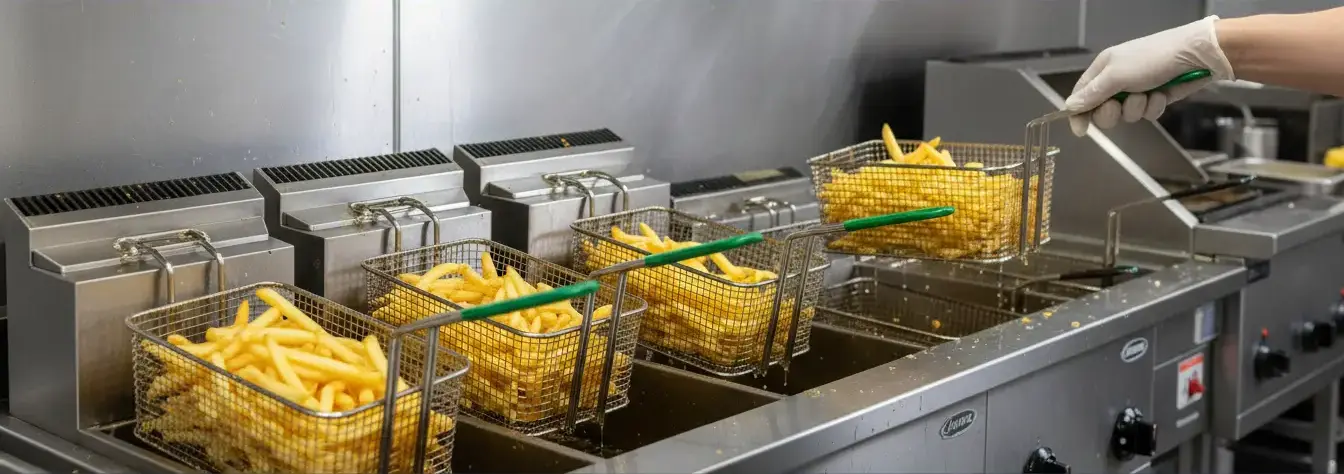
Find the Best Used Cooking Oil Collection Companies for Your Business
No obligation • Fast responses • Nationwide coverage

Why you can trust Restaurant Waste Disposal
Restaurant Waste Disposal is a leading U.S. resource for comparing restaurant composting, food-waste recycling, grease trap cleaning, and used cooking oil collection services. Our editorial team researches providers, checks credentials, and organizes unbiased information so operators can make informed decisions. Companies cannot pay to change ratings or placement.
Search providers near you
Top Used Cooking Oil Collection Companies in Tempe, Arizona Ranked
For restaurants in Tempe, managing used cooking oil (UCO) is a critical operational task that goes beyond simple disposal. Proper grease collection is essential for maintaining a clean, efficient kitchen, preventing costly plumbing issues, and ensuring compliance with local environmental regulations. By partnering with a professional collection service, Tempe food service businesses can transform this waste stream into a resource, contributing to the circular economy through recycling into biodiesel or animal feed while potentially offsetting service costs. Navigating the process effectively involves understanding local programs like the Tempe Grease Cooperative, implementing best practices for oil handling, and selecting a reliable hauler.
Camelback Grease
9838 N 19th Ave, Phoenix, AZ 85021
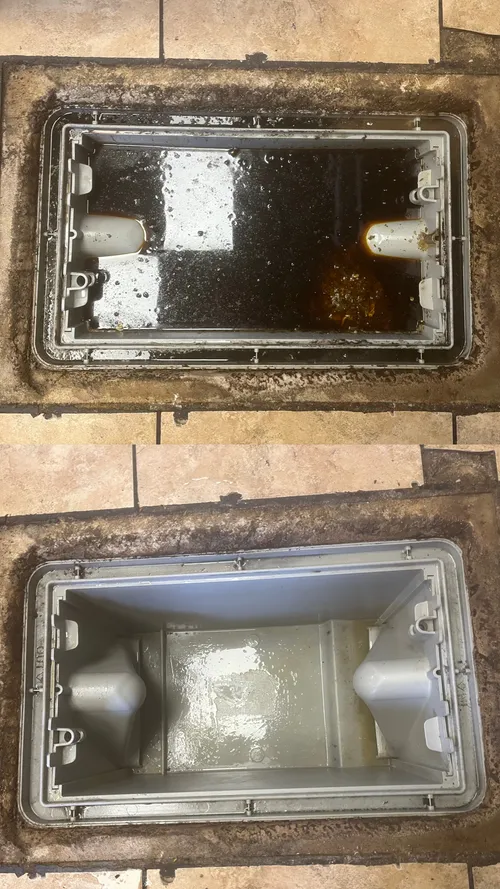
Camelback Grease is a grease trap cleaning and used cooking oil collection company based in Phoenix, AZ. They serve Phoenix, Scottsdale, and all of Maricopa County, offering services such as grease trap and interceptor pumping, hydro jetting, septic interceptor cleaning, and drain clearing. The company uses advanced equipment to maintain plumbing systems and offers a commercial preventative maintenance package that includes video inspection. Customer reviews highlight their thoroughness, transparency, and responsiveness, making them a preferred choice for local restaurants and businesses.
Southwest Oil Recovery
3425 N 29th Ave, Phoenix, AZ 85017
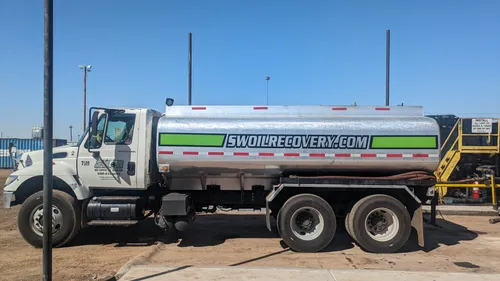
Southwest Oil Recovery is a used cooking oil collection company based in Phoenix, AZ. They provide collection services for used cooking oil and related waste, serving customers in the Phoenix area. Their team handles large quantities efficiently, as noted in customer feedback highlighting quick and clean service during oil pickup.
Zero Waste recycled used oil llc
Mesa, AZ
Zero Waste recycled used oil llc is a company based in Mesa, AZ, specializing in the collection of used cooking oil. They focus on environmentally responsible oil recycling services within the Mesa area.

Solvent Recy-Clean Inc.
1824 W Broadway Rd, Phoenix, AZ 85041
Solvent Recy-Clean Inc. operates in Phoenix, AZ, specializing in the collection of used cooking oil. The company focuses on environmentally responsible recycling services for businesses that generate cooking oil waste. Solvent Recy-Clean Inc. helps manage used cooking oil by providing collection solutions tailored to local needs.
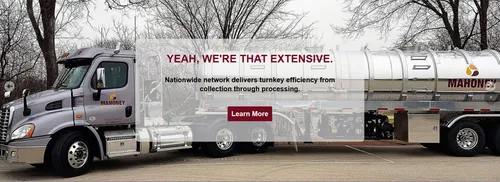
Mahoney Environmental Restaurant Cooking Oil Recycling
1629 E Jackson St, Phoenix, AZ 85034
Mahoney Environmental Restaurant Cooking Oil Recycling is a used cooking oil collection company based in Phoenix, AZ. They specialize in collecting used cooking oil from restaurants to support environmental sustainability and efficient waste management.
Understanding Local FOG Regulations and the Grease Cooperative
In Tempe, as in many cities, Fats, Oils, and Grease (FOG) management is regulated to protect the municipal sewer system. Improper disposal of UCO is a leading cause of sewer line blockages, which can lead to expensive repairs and environmental contamination. The City of Tempe has established specific rules focusing on proper containment to prevent these problems.
A key resource for local businesses is the Tempe Grease Cooperative. This is a voluntary city-facilitated program designed to connect restaurants with pre-qualified, licensed grease haulers. Participation in the cooperative streamlines compliance, as the partnered haulers understand and adhere to the city's specific sewer and plumbing requirements. The program's goal is to create a coordinated system for grease collection that prevents blockages and keeps the city's infrastructure running smoothly. For a restaurant, using a hauler within this cooperative can simplify regulatory adherence and provide peace of mind.
The Professional Collection Process: From Your Fryer to Recycling
Engaging a professional used cooking oil collection service in Tempe involves a straightforward, scheduled process. Here's what you can typically expect:
- Container Provision: Your chosen hauler will provide dedicated, leak-proof storage containers, often at no upfront cost. These are usually sturdy, lockable bins made from materials like stainless steel to prevent corrosion and theft 1 2.
- Regular Pickups: Based on your volume of oil production, a regular collection schedule (e.g., weekly, bi-weekly, monthly) is established. The hauler arrives, pumps the oil from your container into their truck, and leaves you with a clean, empty bin.
- Transportation & Recycling: The collected oil is transported to a processing facility. There, it is recycled into valuable products. The primary end-product is biodiesel, a renewable fuel, but it can also be processed into ingredients for animal feed or industrial lubricants.
This turnkey service removes the burden of storage, handling, and transportation from your staff, allowing them to focus on kitchen operations.
Best Practices for Kitchen Handling and Storage
Maximizing the efficiency and value of your oil collection starts in the kitchen. Proper handling not only ensures compliance but can also improve the quality of your oil, which may impact potential rebates.
- Cool and Filter: Always allow oil to cool completely before handling. Filtering out food particles after each use or before storage significantly improves the oil's quality for recycling 3.
- Use Designated Containers: Never pour used oil into sinks, floor drains, or trash cans. Transfer cooled, filtered oil only into the dedicated, sealable storage bin provided by your collection service.
- Secure Storage: Place your storage bin in a cool, covered area, preferably on a paved surface. Locking the bin prevents unauthorized dumping or theft. Keeping the oil cool and covered also minimizes odors and pests 4.
- Maintain Grease Traps: Remember that used cooking oil collection is separate from grease trap maintenance. Your grease interceptor still requires regular cleaning and pumping to capture FOG from dishwater and drains. Some full-service providers offer both UCO collection and grease trap cleaning.
Find the perfect used cooking oil collection companies for your needs
Get personalized recommendations and expert advice
Evaluating Service Providers and Potential Revenue
When selecting a used cooking oil collection partner in Tempe, consider more than just pickup schedules. Look for a licensed, insured provider with a strong local reputation. Participation in the Tempe Grease Cooperative is a significant indicator of a hauler committed to local compliance. Inquire about their recycling partners and the end-use of the oil to ensure it aligns with your business's sustainability goals.
A common question from restaurant owners is about cost. Many services offer free pickup and container provision. Furthermore, depending on the volume and quality of oil you generate, you may be eligible for a rebate. The market for recycled UCO can create a small revenue stream or credit to offset service fees.
- Low Volume (e.g., under 100 gallons/month): Often involves free pickup with little to no rebate.
- Medium Volume (e.g., 100-300 gallons/month): May qualify for rebates in the range of $0.10 to $0.25 per gallon.
- High Volume (e.g., over 300 gallons/month): Can command higher rebates, potentially from $0.25 to over $0.65 per gallon, and may have room for negotiating credits or other arrangements 5 6.
To maximize potential value, maintain clean, well-filtered oil and communicate your volume accurately to potential service providers.
The Environmental and Community Impact
Choosing professional used cooking oil collection is a direct environmental action for a Tempe restaurant. By ensuring your UCO is recycled into biodiesel, you are helping to reduce reliance on fossil fuels and lower overall carbon emissions. Biodiesel burns cleaner than petroleum diesel, contributing to better air quality in the community 7 8.
Furthermore, responsible grease management protects Tempe's local environment. Preventing FOG from entering the sewer system safeguards waterways from pollution and helps the city avoid the costs and disruptions of sewer line repairs. By participating in a structured program like the Grease Cooperative, your business becomes part of a community-wide solution to a common urban challenge 9 10.
Frequently asked questions
Sources
Footnotes
-
Used Cooking Oil Pickup and Recycling Services in Tempe - https://www.grandnatural.com/locations/used-cooking-oil-recycling-in-tempe.html ↩
-
Used Cooking Oil (UCO) Collection Service For Restaurants - https://thegreasecompany.com/blog/restaurant-used-cooking-oil-collection/ ↩
-
Restaurant Grease Recycling Best Practices: A Guide - Phoenix Pumping - https://phoenixpumping.com/blog/grease-recycling-best-practices/ ↩
-
Used Cooking Oil Collection Tempe - https://www.grandnaturalinc.com/locations/used-cooking-oil-recycling-in-tempe.html ↩
-
Used Cooking Oil Disposal: Complete Guide to Grease Pickups - https://greaseconnections.com/used-cooking-oil-disposal-guide-grease-pickups/ ↩
-
Restaurant Used Cooking Oil: Disposal, Recycling & Revenue Guide - https://greaseconnections.com/restaurant-used-cooking-oil-disposal-recycling-revenue-guide/ ↩
-
Restaurant Oil Collection, Recycling & Grease Trap Cleaning in ... - https://www.mahoneyes.com/restaurant-oil-recycling-phoenix-az/ ↩
-
Grease Collection Service: What is it - Grand Natural Inc - https://www.grandnaturalinc.com/blog/what-is-grease-collection-service.html ↩
-
Tempe Grease Cooperative | City of Tempe, AZ - https://www.tempe.gov/businesses/tempe-grease-cooperative ↩
-
Grease Collection Cooperative In Tempe | BioCycle - https://www.biocycle.net/grease-collection-cooperative-tempe/ ↩