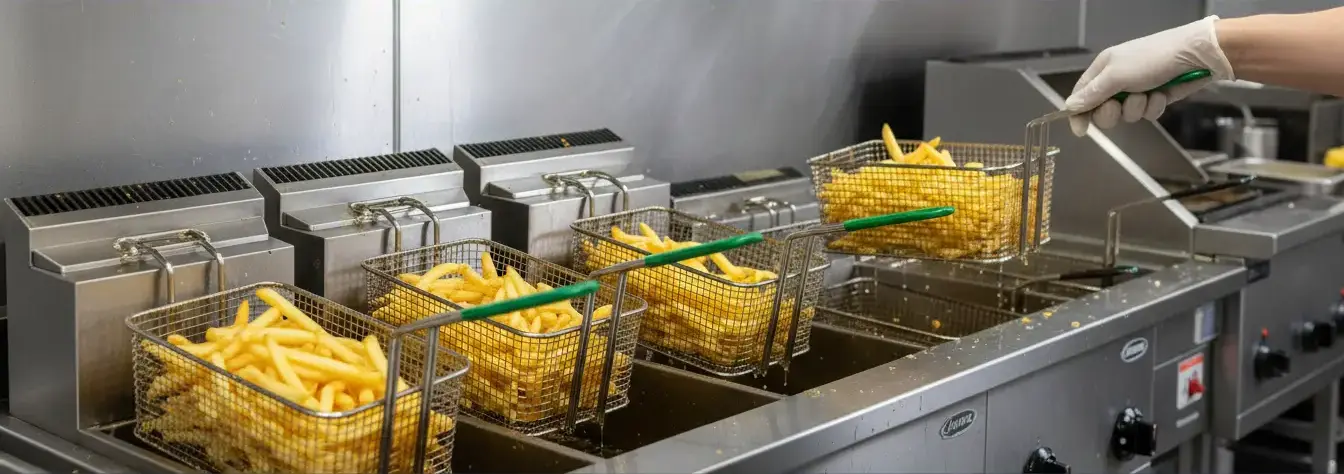
Find the Best Used Cooking Oil Collection Companies for Your Business
No obligation • Fast responses • Nationwide coverage

Why you can trust Restaurant Waste Disposal
Restaurant Waste Disposal is a leading U.S. resource for comparing restaurant composting, food-waste recycling, grease trap cleaning, and used cooking oil collection services. Our editorial team researches providers, checks credentials, and organizes unbiased information so operators can make informed decisions. Companies cannot pay to change ratings or placement.
Search providers near you
Top Used Cooking Oil Collection Companies in Phoenix, Arizona Ranked
For any restaurant or food service establishment in Phoenix, managing used cooking oil (UCO) is a critical operational and environmental responsibility. Proper collection and recycling of this waste stream are not only mandated by local regulations but also present an opportunity to contribute to the circular economy by transforming waste into valuable biofuels like biodiesel. Partnering with a professional collection service ensures compliance, prevents costly plumbing and environmental issues, and can even provide a potential revenue stream. This guide outlines the essential practices, local rules, and service options for effective grease and oil management in the Valley of the Sun.
Camelback Grease
9838 N 19th Ave, Phoenix, AZ 85021
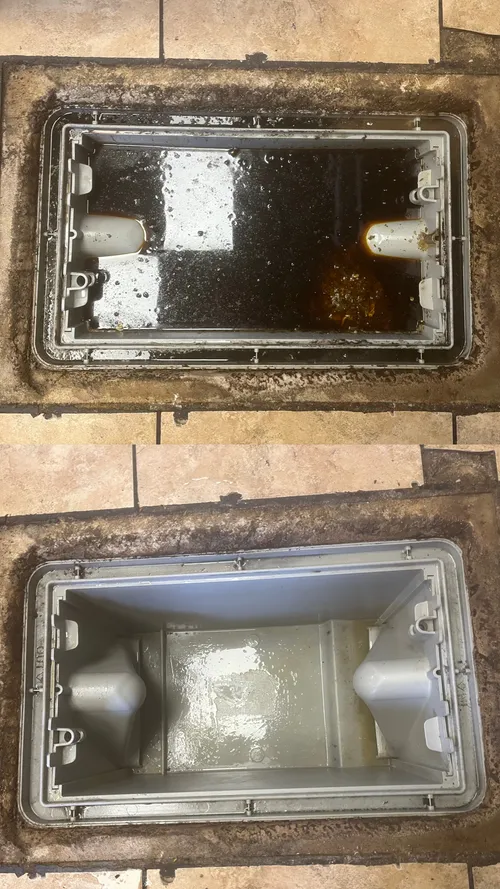
Camelback Grease is a grease trap cleaning and used cooking oil collection company based in Phoenix, AZ. They serve Phoenix, Scottsdale, and all of Maricopa County, offering services such as grease trap and interceptor pumping, hydro jetting, septic interceptor cleaning, and drain clearing. The company uses advanced equipment to maintain plumbing systems and offers a commercial preventative maintenance package that includes video inspection. Customer reviews highlight their thoroughness, transparency, and responsiveness, making them a preferred choice for local restaurants and businesses.
Southwest Oil Recovery
3425 N 29th Ave, Phoenix, AZ 85017
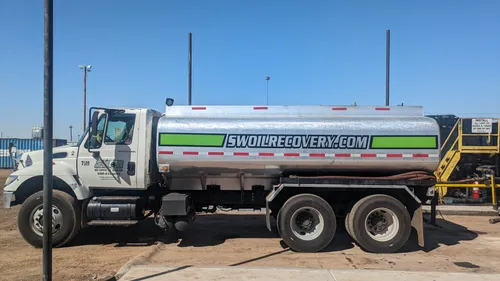
Southwest Oil Recovery is a used cooking oil collection company based in Phoenix, AZ. They provide collection services for used cooking oil and related waste, serving customers in the Phoenix area. Their team handles large quantities efficiently, as noted in customer feedback highlighting quick and clean service during oil pickup.
Zero Waste recycled used oil llc
Mesa, AZ
Zero Waste recycled used oil llc is a company based in Mesa, AZ, specializing in the collection of used cooking oil. They focus on environmentally responsible oil recycling services within the Mesa area.

Solvent Recy-Clean Inc.
1824 W Broadway Rd, Phoenix, AZ 85041
Solvent Recy-Clean Inc. operates in Phoenix, AZ, specializing in the collection of used cooking oil. The company focuses on environmentally responsible recycling services for businesses that generate cooking oil waste. Solvent Recy-Clean Inc. helps manage used cooking oil by providing collection solutions tailored to local needs.
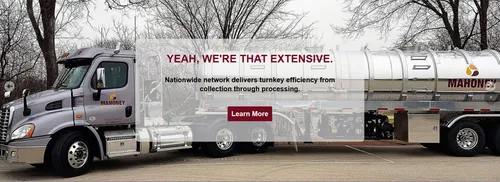
Mahoney Environmental Restaurant Cooking Oil Recycling
1629 E Jackson St, Phoenix, AZ 85034
Mahoney Environmental Restaurant Cooking Oil Recycling is a used cooking oil collection company based in Phoenix, AZ. They specialize in collecting used cooking oil from restaurants to support environmental sustainability and efficient waste management.
Understanding Phoenix Regulations for Fats, Oils, and Grease (FOG)
The City of Phoenix has specific requirements to protect its sewer infrastructure and water quality from FOG, which is a major cause of blockages and overflows. Compliance is not optional; it's a fundamental part of operating a food service business here.
Mandatory Grease Interceptors: All food service establishments are required to install and maintain a properly sized grease interceptor (often called a grease trap). This device captures fats, oils, and grease from wastewater before it enters the public sewer system, preventing clogs.
Strict Disposal Prohibitions: It is illegal to pour used cooking oil, grease, or food scraps down sinks, floor drains, toilets, or storm drains. Storm drains in Phoenix lead directly to local waterways, so improper disposal can lead to significant environmental pollution and hefty fines.
Proper On-Site Storage: Used oil must be stored in secure, leak-proof containers or designated tallow bins provided by your collection company. Secure storage also helps prevent theft, as used oil has value on the commodities market.
Regular Maintenance: Grease interceptors must be pumped out and cleaned regularly by a licensed service to remain effective. Failure to maintain them can lead to sewer backups, violations, and expensive emergency clean-up costs 1.
The Step-by-Step Process for Oil Collection & Recycling
Implementing a smooth, efficient system for handling used fryer oil protects your kitchen and ensures you get the most value from your recycling efforts.
- Cool and Filter: After use, allow the cooking oil to cool completely. Filtering it to remove food particles extends the oil's usability in the fryer and results in a higher-quality product for recyclers, which can affect rebate potential 2 3.
- Safe Transfer: Once cooled, transfer the oil using a dedicated shuttle or caddy from the fryer to your outdoor storage container. This minimizes spills and safety hazards in the kitchen.
- Secure Storage: Store the oil in the locked, sealed bin provided by your collection service. These bins are typically placed in a convenient, accessible location for pickup, such as a loading dock or alley.
- Scheduled Pickup: Your service provider will follow a scheduled pickup routine (weekly, bi-weekly, monthly) to collect the full container and replace it with an empty, clean one 4.
- Recycling into Biofuel: The collected oil is transported to a processing facility. There, it is heated, cleaned, and purified. The end product is primarily renewable biodiesel, a cleaner-burning alternative to petroleum diesel, or other bio-based products 5.
Choosing a Used Cooking Oil Collection Service in Phoenix
Several reputable companies offer used cooking oil pickup and grease trap services in the Phoenix metro area. When evaluating providers, consider the following key aspects:
- Services Offered: Most full-service companies provide a comprehensive package: supplying storage containers, scheduled pickups, and grease interceptor pumping and cleaning. Some may specialize in just oil collection.
- Container Provision: A standard benefit is the free provision of the storage bin or tank. Ensure the container is sturdy, has a locking lid, and is appropriately sized for your volume 6.
- Pickup Reliability: Consistent, on-time pickups are crucial to avoid overflows, odors, and pests. Ask about scheduling flexibility and service guarantees.
- Licensing and Compliance: Verify that the provider is licensed and insured to handle and transport used cooking oil in Arizona. They should also provide documentation (manifests) for each pickup, which is important for your records.
Find the perfect used cooking oil collection companies for your needs
Get personalized recommendations and expert advice
Cost Structure and Potential Value Recovery
Understanding the financial model behind used cooking oil collection helps in selecting the right service and managing costs effectively.
Service Fees: Many restaurants pay a monthly or per-pickup fee for collection services. These fees can vary based on the frequency of service, the volume of oil generated, and the inclusion of grease trap cleaning. In the industry, monthly fees can range significantly, often between $50 and $200, depending on these factors 7 8.
Rebates and Payments: A key advantage of recycling is the potential to offset costs or generate minor revenue. Many collectors offer rebate programs where they pay for the oil, typically priced per pound or gallon. The payout rate fluctuates with the commodities market and depends heavily on the quality and purity of your oil. High-volume producers (e.g., those generating over 100 gallons per month) are in the best position to negotiate favorable rebates 9. Contaminated oil, mixed with water or other liquids, may not be eligible for rebates and could even incur a disposal fee.
Free Pickup Models: Some providers may offer "free" pickup services, where their revenue comes entirely from selling the recycled oil. In these models, they provide the container and regular collection at no direct charge to you, though no rebate is paid. This can be a simple, cost-effective solution for smaller operations 10.
Best Practices for Restaurant Kitchen Safety and Efficiency
Beyond compliance and collection, how you handle oil in the kitchen impacts safety, oil quality, and costs.
- Train Your Staff: Ensure all kitchen staff are trained on proper oil cooling, filtering, and transfer procedures. Emphasize the absolute rule: no grease down the drain.
- Maintain Fryer Health: Regular filtering and timely oil changes improve food quality and reduce the frequency of oil disposal. Cleaner oil is also more valuable to recyclers.
- Prevent Contamination: Keep water and other liquids out of your used oil storage. Contamination reduces the oil's value for biodiesel production and can cause issues with storage bins.
- Audit Your System: Periodically review your oil usage and collection schedule. If you're consistently filling your bin before the scheduled pickup, you may need more frequent service or a larger container to avoid spills and compliance issues.
The Environmental Impact of Recycling in Phoenix
Choosing to recycle your used cooking oil has a direct positive impact on the local and global environment. In arid Phoenix, protecting water resources is paramount. Every gallon of oil kept out of drains and landfills helps prevent pollution in the Salt River, Gila River, and groundwater supplies. Furthermore, converting this waste into biodiesel significantly reduces greenhouse gas emissions compared to fossil fuels, supporting Arizona's and the nation's goals for renewable energy and sustainability 11 12. By participating in a professional collection program, your business directly contributes to this green cycle.
Frequently asked questions
Sources
Footnotes
-
FATS, OILS AND GREASES (FOG) BEST MANAGEMENT ... - https://www.phoenix.gov/content/dam/phoenix/waterservicessite/documents/fog_bmp_manual_%204-2022.pdf ↩
-
What Do Restaurants Do with Grease? - Mahoney Environmental - https://www.mahoneyes.com/what-do-restaurants-do-with-grease/ ↩
-
Restaurant Grease Recycling Best Practices: A Guide - https://phoenixpumping.com/blog/grease-recycling-best-practices/ ↩
-
Restaurant Oil Collection, Recycling & Grease Trap Cleaning ... - https://www.mahoneyes.com/restaurant-oil-recycling-phoenix-az/ ↩
-
Used Cooking Oil | Grecycle Arizona LLC | Tucson - https://www.grecycle.com/ ↩
-
Used Cooking Oil Pickup and Recycling Services in Phoenix - Grand Natural - https://www.grandnatural.com/locations/used-cooking-oil-recycling-in-phoenix.html ↩
-
Used Cooking Oil Pickup vs Drop-Off - GreasePros Recycling - https://www.greaseprosrecycling.com/used-cooking-oil-pickup-vs-drop-off/ ↩
-
Used Cooking Oil Pricing & Business Guide - Grease Connections - https://greaseconnections.com/used-cooking-oil-pricing-guide/ ↩
-
Restaurant Used Cooking Oil: Disposal, Recycling & Revenue Guide - https://greaseconnections.com/restaurant-used-cooking-oil-disposal-recycling-revenue-guide/ ↩
-
Used Cooking Oil Collection Phoenix - https://www.grandnaturalinc.com/locations/used-cooking-oil-recycling-in-phoenix.html ↩
-
Restaurant Stormwater Pollution - City of Phoenix - https://www.phoenix.gov/content/dam/phoenix/waterservicessite/documents/printshop%20final%20stormwater%20restaurant%20brochure%2005-14.pdf ↩
-
Restaurant Grease Recycling Phoenix, AZ - https://bakercommodities.com/our-locations/phoenix-az/ ↩