Find the Best Grease Trap Cleaning Companies for Your Business
No obligation • Fast responses • Nationwide coverage

Why you can trust Restaurant Waste Disposal
Restaurant Waste Disposal is a leading U.S. resource for comparing restaurant composting, food-waste recycling, grease trap cleaning, and used cooking oil collection services. Our editorial team researches providers, checks credentials, and organizes unbiased information so operators can make informed decisions. Companies cannot pay to change ratings or placement.
Search providers near you
Best Grease Trap Cleaning Companies in Alabama Ranked
For restaurant owners and food service operators in Alabama, managing fats, oils, and grease (FOG) is a critical operational and regulatory responsibility. Grease trap cleaning is not just about maintenance; it's a legal requirement enforced at the local level to protect municipal sewer systems from costly blockages and environmental damage. Compliance involves securing permits, adhering to strict cleaning schedules based on capacity or time, and maintaining detailed records. This guide outlines the essential regulations, costs, and best practices for grease trap maintenance specific to Alabama's varied jurisdictions.
Zoom Drain
85 N Sage Ave, Mobile, AL 36607
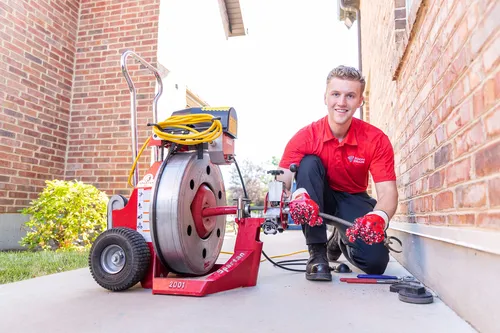
Zoom Drain is a drain and sewer service provider based in Mobile, AL, specializing in grease trap cleaning and comprehensive drain maintenance for residential, commercial, and food service clients. They use advanced technology such as high-resolution cameras and root cutters to accurately diagnose and resolve drainage issues efficiently. Zoom Drain offers tailored maintenance plans and employs eco-friendly cleaning products to ensure long-lasting solutions. They serve Mobile and surrounding areas including Bay Minette, Bayou La Batre, Bon Secour, Cantonment, Coden, and Daphne.
Bama Septic and Grease Trap Service
Huntsville, AL
Bama Septic and Grease Trap Service provides septic system and grease trap cleaning services in Huntsville, AL. The company offers pumping, inspections, installation, maintenance, and repair of septic systems using modern equipment and technology. They focus on ensuring septic systems function properly to protect both family health and the environment. The business is known for educating customers on system maintenance to extend longevity.
Quality Septic LLC
8503 Mimosa Ln, Mobile, AL 36619
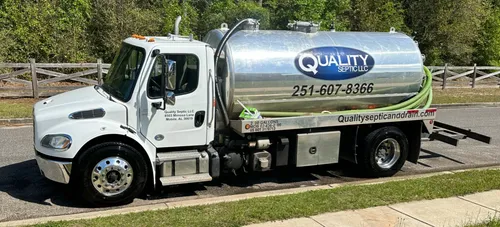
Quality Septic LLC is a septic tank and grease trap cleaning company based in Mobile, AL. Founded in 2017 with a focus on integrity, they provide services including septic tank pumping, field line replacement, new system installation, and grease trap pumping. They also offer sewer jetting, which uses high-pressure water to clear grease and other clogs safely and effectively. Quality Septic LLC serves residential customers in Mobile and surrounding areas.
Alabama Pumper LLC
2637 Queenstown Rd, Birmingham, AL 35210
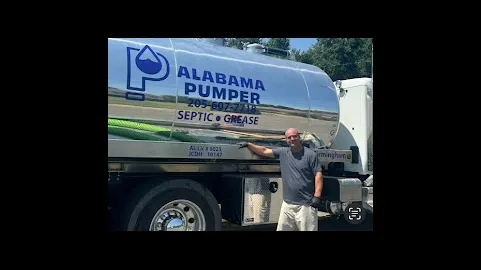
Alabama Pumper LLC is a licensed septic service provider based in Birmingham, AL, serving Central Alabama including Hoover, Gardendale, and Odenville. They offer septic tank pumping, cleaning, inspections, repairs, grease trap pumping, holding tank and lift station maintenance, and high-pressure jetting for residential and commercial clients. Established in 2011, the company brings decades of combined experience to handle septic system needs with a focus on local conditions. Emergency septic services are also available to address urgent issues promptly.
Zoom Drain Birmingham
109 43rd St S, Birmingham, AL 35222
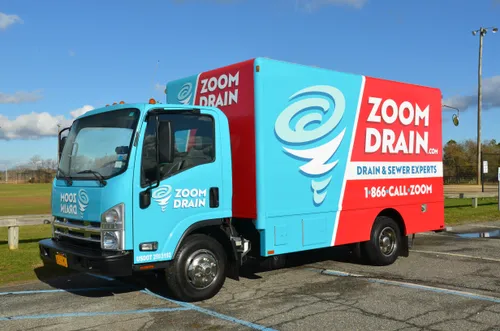
Zoom Drain Birmingham provides drain and sewer cleaning services in Birmingham, AL, and surrounding areas. They serve residential, commercial, and food service clients, offering specialized grease trap maintenance and routine maintenance plans. The company uses advanced diagnostic equipment suited for local soil conditions to locate and resolve blockages, root invasions, and pipe damage with minimal disruption. Their capabilities include hydro-jetting and mechanical snaking to clear drains efficiently. Zoom Drain Birmingham offers 24/7 emergency service to address urgent plumbing issues promptly.
Understanding Local Grease Control Programs
Alabama does not have a single, statewide grease trap regulation. Instead, authority is delegated to municipalities and county water or wastewater departments. Each local FOG (Fats, Oils, and Grease) control program sets its own rules for permitting, inspection, and maintenance. Major cities like Birmingham, Hoover, and Dothan, as well as counties like Limestone, have enacted specific ordinances. The primary goal of these programs is to prevent sewer overflows, which can lead to environmental fines, increased treatment costs, and public health hazards. Non-compliance can result in significant penalties, including fines and potential suspension of service.
Key Regulatory Components
While rules vary, most local programs in Alabama share common core requirements that food service establishments (FSEs) must follow:
- FOG Discharge Permits: Most localities require FSEs to obtain an annual permit. This permit typically involves an application, a fee, and sometimes a pre-inspection of your grease control equipment.
- Approved Haulers: Grease waste must be disposed of by licensed, certified haulers. Pouring grease down drains or mixing it with recyclable yellow grease for collection is strictly prohibited.
- Record Keeping: You are required to maintain detailed service logs, usually for a minimum of three years. These logs must include the date of service, the volume of waste removed, the hauler's information, and the disposal destination. These records must be available for inspection at any time.
- Equipment Standards: Local codes often specify requirements for grease interceptor and trap installation, including proper venting and flow control devices 1.
Cleaning Frequency: The 25% Rule and Time-Based Schedules
Determining when to clean your grease trap or interceptor is governed by two main standards, and your local ordinance will specify which applies to you.
The 25% Rule: A common standard, used in cities like Dothan, mandates that a grease interceptor must be cleaned when the combined volume of FOG and settled solids reaches 25% of the unit's liquid capacity. This requires regular internal inspection and measurement.
Time-Based Schedules: Many jurisdictions set fixed pumping intervals. These are often based on the size and location (indoor vs. outdoor) of the trap:
- Large Outdoor Interceptors: Typically require service every 30 to 90 days.
- Smaller Indoor Grease Traps: Often have much more frequent requirements, such as every 2 to 4 weeks, due to their smaller capacity and higher exposure to grease.
- High-Volume Establishments: If an inspection finds FOG and solids exceed 50% of capacity, the local authority may mandate weekly or bi-weekly cleaning until compliance is demonstrated.
Examples from Alabama Cities and Counties
- Birmingham (Jefferson County): Regulations stipulate cleaning intervals of 30 to 90 days for outdoor interceptors and every 2 to 4 weeks for indoor grease traps. The 25% rule is also in effect, and a FOG permit is required 2.
- Limestone County: The policy sets a minimum cleaning frequency of every two weeks. If FOG and solids exceed 50% of capacity at any inspection, the frequency must be increased. They also specify minimum equipment capacities (e.g., 20 gallons per minute flow rate, 40 lbs. grease capacity) 3.
- Dothan: Requires cleaning at a minimum of every 90 days or when the 25% rule is met, whichever comes first. Dothan Utilities also requires the use of approved haulers and charges a monthly FOG surcharge fee to food service establishments 4.
Find the perfect grease trap cleaning companies for your needs
Get personalized recommendations and expert advice
Cost of Grease Trap Services in Alabama
The cost for grease trap pumping and cleaning in Alabama varies based on the size of the trap, its location, accessibility, and whether the service is scheduled or an emergency.
- Scheduled Service for Indoor Traps: For smaller, under-sink or indoor units, a routine pump-out typically ranges from approximately $115 to $475 per service.
- Scheduled Service for Outdoor/Large Interceptors: Cleaning a large, in-ground outdoor interceptor is more involved, with costs generally ranging from $250 to $400+ per service. For very large or complex systems, costs can approach $1,040 5.
- Emergency Service: Responding to a clog or overflow outside of normal business hours incurs a premium. Emergency grease trap cleaning can cost significantly more, often between $800 and $1,200 or higher 6.
Investing in regular, scheduled maintenance is far more cost-effective than facing emergency fees, potential fines from sewer blockages, and reputational damage from operational downtime.
Best Practices for Compliance and Efficiency
Beyond meeting the legal minimums, adopting proactive practices can extend equipment life and streamline operations.
- Train Your Staff: Ensure all kitchen staff understand what can and cannot go down the drain. Implement "dry wiping" pots and pans before washing and use sink strainers.
- Schedule Regular Inspections: Even if you use a time-based schedule, visually inspect your indoor trap weekly to monitor grease buildup.
- Choose a Reputable Service Provider: Work with a licensed, insured, and locally approved hauler. They should provide detailed service reports for your records.
- Keep Impeccable Records: Maintain a dedicated binder or digital folder for all permits, service invoices, and hauler manifests. This is your first line of defense during an inspection.
- Communicate with Your Local Authority: When in doubt, contact your city's wastewater department or public utilities office. They can provide your specific ordinance details and a list of approved grease haulers.
The Consequences of Non-Compliance
Failing to adhere to local grease trap regulations can have serious consequences. Municipalities can issue fines for each violation or each day a violation persists. In severe cases of repeat offenses or major blockages, they may have the authority to revoke a business's FOG permit or even suspend water and sewer service until the issue is corrected and fines are paid. The cost of non-compliance always far exceeds the cost of consistent, proper maintenance.
Frequently asked questions
Sources
Footnotes
-
SECTION 1. GREASE CONTROL PROGRAM ... - Hoover, AL - https://hooveralabama.gov/DocumentCenter/View/3178/07---FOG-ordinance-Passed-11-15-10pdf ↩
-
Essential Birmingham Grease Trap Maintenance Guide For ... - https://www.myshyft.com/blog/grease-trap-cleaning-birmingham-alabama/ ↩
-
Fats, Oils, & Grease Policy - Limestone County Water - https://limestonecountywater.com/wp-content/uploads/Fat%2C%20Oils%2C%20%26%20Grease%20Policy.pdf?_t=1615314170 ↩
-
Food Service Establishments (FSEs) - Dothan Utilities - https://www.dothan.org/539/Food-Service-Establishments-FSEs ↩
-
Grease Trap Pumping Cost vs. Grease Trap Maintenance Cost - https://www.stateindustrial.com/video/cost-comparison-pumping-v-chemicals-to-maintain-a-grease-trap/ ↩
-
Ultimate Grease Trap Pumping Cost Guide: Essential Money-Saving ... - https://www.texwaywastewater.com/grease-trap-pumping-cost/ ↩