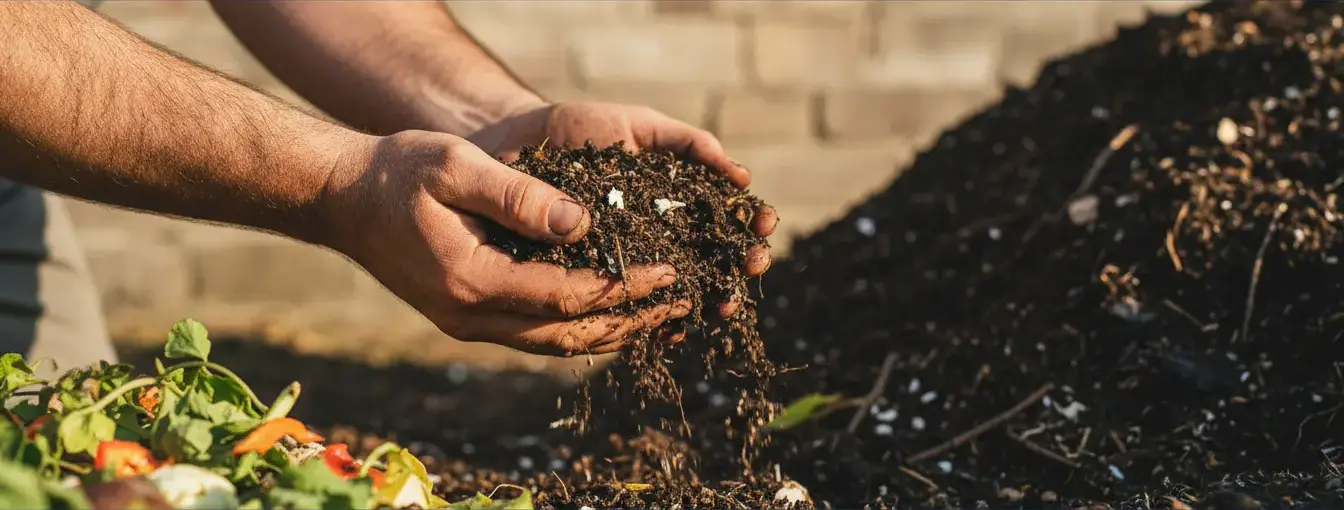
Find the Best Composting & Food Waste Companies for Your Business
No obligation • Fast responses • Nationwide coverage

Why you can trust Restaurant Waste Disposal
Restaurant Waste Disposal is a leading U.S. resource for comparing restaurant composting, food-waste recycling, grease trap cleaning, and used cooking oil collection services. Our editorial team researches providers, checks credentials, and organizes unbiased information so operators can make informed decisions. Companies cannot pay to change ratings or placement.
Search providers near you
Top Composting & Food Waste Companies in Clarksville, Tennessee Ranked
For Clarksville restaurants and food service businesses, managing organic waste is a critical operational and environmental consideration. While the city currently lacks a widespread municipal composting program for commercial entities, effective solutions exist through private sector partnerships. Navigating food waste recycling involves understanding local service providers, implementing proper sorting protocols, and recognizing the broader benefits of diverting organic material from landfills. This guide outlines the current landscape for commercial food scrap composting in the Clarksville area, providing actionable information for businesses looking to enhance their sustainability practices.
Successful organic waste management starts with a clear understanding of what materials can be processed. Commercial composting services in Middle Tennessee typically accept a wide range of food scraps, including fruit and vegetable peels, coffee grounds, eggshells, and baked goods. Many providers also accept certified compostable packaging and paper products, which is crucial for restaurants using disposable serviceware. However, strict contamination guidelines are universal; non-compostable items like conventional plastics, metals, glass, and liquids can spoil entire loads, leading to potential rejection or fees. Establishing clear staff training on these accepted and prohibited materials is the first step toward a successful program.
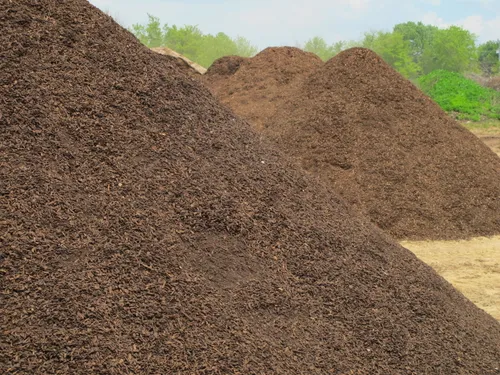
The Local Service Landscape: Private Haulers
With no city-run commercial composting initiative currently in place, Clarksville businesses must seek services from private waste management companies. These specialized haulers offer tailored programs designed for the volume and pace of a commercial kitchen. A prominent provider in the region is The Compost Company, which services Middle Tennessee businesses. Such companies handle the entire process: they supply appropriate collection containers, establish a pickup schedule based on your waste generation, transport the material to a commercial composting facility, and often provide reporting to help you track your diversion and environmental impact.
Key Components of a Commercial Service:
- Container Provision: Haulers typically provide durable, lidded bins in sizes suitable for kitchen back-of-house use, such as 32-gallon, 64-gallon, or 96-gallon carts.
- Customized Scheduling: Pickup frequency is arranged to match your needs, ranging from daily service for high-volume establishments to weekly or bi-weekly pickups for others.
- Comprehensive Processing: Collected food waste is transported to industrial-scale composting facilities where it is transformed into nutrient-rich soil amendment, closing the loop organically.
Implementing a Restaurant Composting Program
Starting a food waste diversion program requires more than just signing a service contract. Internal process changes are essential for efficiency and cost-effectiveness. Begin with a waste audit to understand the volume and type of organic waste your kitchen produces. This will inform the size and number of bins you need and the optimal pickup schedule. Place collection bins strategically-clearly labeled containers should be easily accessible in prep areas, dish pits, and anywhere food scraps are generated.
Staff engagement is the cornerstone of a contamination-free program. Conduct training sessions to explain the "why" and the "how," using clear signage with pictures of accepted and non-accepted items. Many restaurants find it helpful to appoint a "green champion" or team to monitor bins, answer questions, and maintain momentum. Proper liner use is also important; while some programs accept certified compostable bags, others may require unlined bins or specific liners-always check with your service provider.
Beyond Bin Collection: Grease Trap and Cooking Oil Management
For a comprehensive waste management strategy, restaurants must also address used cooking oil (UCO) and grease trap maintenance. These are separate but parallel streams to food scrap composting. Professional grease trap cleaning is a legal necessity to prevent sewer line blockages and environmental violations. Similarly, used cooking oil is a valuable commodity that should be collected by licensed renderers for recycling into biofuels or other products. Many waste service companies offer bundled services or can recommend trusted partners for these needs, allowing businesses to streamline multiple waste contracts.
Benefits of Commercial Food Waste Diversion
The advantages of implementing a composting program extend beyond environmental stewardship. Diverting organic waste can lead to direct cost savings by reducing the volume of trash sent to the landfill, potentially lowering your standard waste hauling bills. It also demonstrates a tangible commitment to sustainability, which can strengthen your brand reputation, appeal to eco-conscious customers and employees, and may even meet requirements for green business certifications. Furthermore, by supporting the local organics recycling infrastructure, businesses contribute to creating a valuable end-product-compost-that benefits regional agriculture and landscaping.
Find the perfect composting & food waste companies for your needs
Get personalized recommendations and expert advice
Navigating Challenges and Finding Solutions
A common hurdle for Clarksville restaurants is the initial perception of added complexity or cost. The key is to view food waste recycling not as an expense, but as a strategic operational shift. Start small if necessary-perhaps by composting coffee grounds and prep scraps from one station-and scale up as systems become habitual. For questions about local eligibility or specific program details, direct contact with service providers like The Compost Company is the most reliable path. 1 It's also wise to periodically check with the Clarksville-Montgomery County government for any new municipal initiatives, grant opportunities, or community drop-off options that may emerge to support commercial organics recycling. 2
The Future of Organics in Clarksville
As landfill space concerns and environmental priorities grow, the landscape for food waste management continues to evolve. Businesses that adopt composting practices now position themselves as leaders and will be ahead of potential future regulations or mandates. By building relationships with private haulers and perfecting internal sorting protocols, Clarksville's food service industry can play a pivotal role in developing a more robust local circular economy, turning what was once trash into a community resource.
Frequently asked questions
Sources
Footnotes
-
Compost Pickup for Businesses in Middle TN - The Compost Company - https://www.compostcompany.com/waste-disposal-services/ ↩
-
Composting, recycling and more: A guide to preserving Clarksville ... - https://clarksvillenow.com/local/composting-recycling-and-more-a-guide-to-preserving-clarksville-past-earth-day/ ↩