Find the Best Composting & Food Waste Companies for Your Business
No obligation • Fast responses • Nationwide coverage

Why you can trust Restaurant Waste Disposal
Restaurant Waste Disposal is a leading U.S. resource for comparing restaurant composting, food-waste recycling, grease trap cleaning, and used cooking oil collection services. Our editorial team researches providers, checks credentials, and organizes unbiased information so operators can make informed decisions. Companies cannot pay to change ratings or placement.
Search providers near you
Best Composting & Food Waste Companies in Tennessee Ranked
For Tennessee restaurants, managing food scraps and organic waste is a growing opportunity for sustainability, cost control, and community engagement. Unlike some states with strict mandates, Tennessee's approach is largely voluntary, focusing on education, resource connection, and supporting businesses that choose to act. This landscape means restaurant operators have the flexibility to design a food waste strategy that fits their specific operations, budget, and local service availability, from partnering with commercial compost haulers to implementing robust donation programs. Understanding the options, potential costs, and available state resources is the first step toward turning waste into a resource.
NewTerra Compost
109 Hummingbird Ln, Wildwood, GA 30757
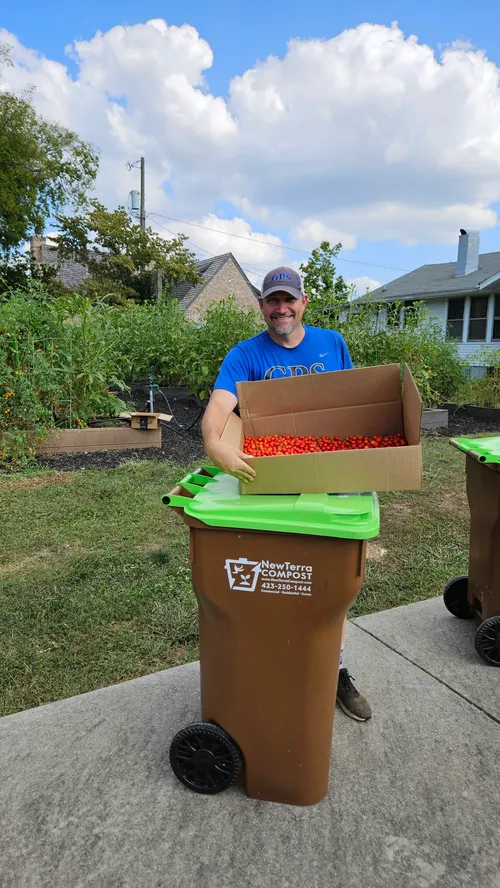
NewTerra Compost offers food waste and composting solutions for homes, restaurants, education centers, hotels, businesses, and events in Chattanooga, TN. They provide convenient drop-off locations and pickup services for large producers, helping divert organic residuals from landfills. One of their key capabilities includes managing food residuals to reduce methane emissions from landfill waste. NewTerra Compost partners with local organizations to support community gardens and nonprofits through compost donations.
Hoffman Composting
303 Woodlyn Rd, Johnson City, TN 37601
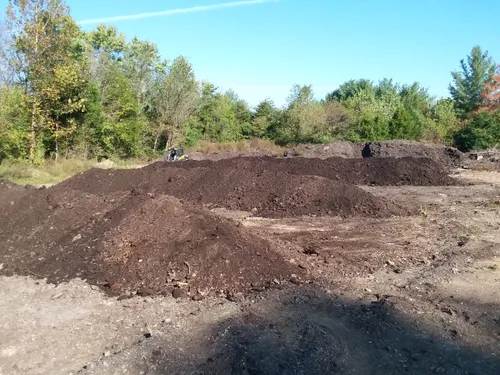
Hoffman Composting provides food waste composting services for restaurants and individuals in Johnson City, TN. The facility accepts all types of food scraps, including meat and dairy, and certified compostable products, helping to divert waste from landfills. They also offer bedbuilder compost topsoil for sale, supporting local farms and gardens. Hoffman Composting is a member of the United States Composting Council and the Tennessee Composting Council, reflecting its commitment to industry standards.
The Compost Company
3643 TN-12, Ashland City, TN 37015
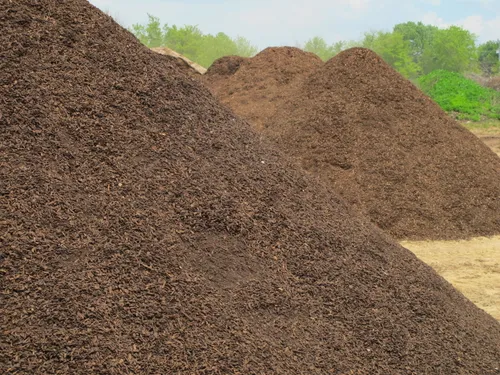
The Compost Company provides food waste composting and bulk compost products to businesses and homes in Nashville, TN. Since 2012, they have supported restaurants, grocery stores, hotels, and schools with organic waste collection and drop-off services, helping clients reduce landfill waste and improve soil health. Their offerings include custom soil blends and mulch designed for gardens, farms, and landscapes. The company emphasizes sustainability and offers event composting services with bin rentals and waste pickup.
Tennessee's Regulatory Landscape for Food Waste
Tennessee does not currently have statewide laws that mandate commercial food waste diversion or ban organic materials from landfills 1. This means restaurants are not legally required to separate food scraps from their general trash stream. The state's strategy, outlined in its Solid Waste and Materials Management Plan, emphasizes voluntary reduction and building partnerships to divert materials.
While federal EPA guidelines mention potential separation requirements for very large food waste generators located far from processing facilities, these are not enforced as state law in Tennessee2. The regulatory environment is permissive, placing the initiative on individual businesses to participate in organics recycling. The state government acts primarily as a facilitator, providing tools and connections through programs like Get Food Smart TN and the Tennessee Department of Environment and Conservation's (TDEC) Organics initiatives.
Benefits of Reducing Food Waste for Restaurants
Engaging in food waste reduction and composting programs offers tangible benefits beyond environmental stewardship. For a restaurant's bottom line, reducing waste directly correlates with purchasing less food that ends up in the trash, leading to significant cost savings on inventory. Furthermore, by diverting heavy, wet organic material from the general waste stream, businesses can often reduce the volume and frequency of their trash pickups, potentially lowering their standard waste hauling bills.
These practices also strengthen community ties and brand reputation. Donating edible surplus food to local hunger relief organizations supports those in need while potentially offering tax benefits. Publicly committing to sustainability can enhance a restaurant's image, attracting customers who value environmentally responsible businesses. Internally, it can also boost staff morale by involving teams in meaningful, impactful practices.
Practical Strategies for Food Waste Reduction
Before setting up collection, the most effective step is to prevent waste from being generated in the first place. The Get Food Smart TN campaign provides actionable guidance for restaurants, such as conducting a waste audit to identify what and how much is being thrown away. Kitchen operations can be adjusted through better inventory management, improved storage, and creative menu planning that utilizes food trimmings (e.g., turning vegetable scraps into stocks).
Front-of-house strategies include training staff to only provide items like straws, utensils, and condiments upon request, and offering small discounts to customers who bring their own reusable cups or containers3. Reducing reliance on single-use disposables not only cuts down on waste but can also reduce supply costs.
Organics Diversion and Collection Options in Tennessee
When food waste cannot be prevented, Tennessee restaurants have several pathways for diversion.
Third-Party Commercial Haulers: This is a common and convenient option where available. Companies like Compost Nashville in Middle Tennessee and The Compost Fairy in the Memphis area offer subscription services to collect source-separated food scraps and other compostables. These haulers transport the material to permitted composting facilities where it is processed into nutrient-rich soil amendment.
On-Site Composting: For restaurants with sufficient outdoor space, composting on-site is a viable long-term solution. This requires setting up a proper composting system (like bins or tumblers) and managing the process to avoid odors or pests. It's important to note that larger on-site composting operations may require a permit from the state4.
Food Donation: Diverting edible food from the waste stream is a top priority. Partnering with local food banks, shelters, or organizations like the Tennessee Association of Food Banks ensures surplus prepared food or unused ingredients feed people, not landfills. The state provides resources to help businesses navigate food safety guidelines for donation.
Find the perfect composting & food waste companies for your needs
Get personalized recommendations and expert advice
Understanding Costs and Potential Savings
There is no standardized pricing for food waste diversion in Tennessee; costs are highly variable and depend on your location, waste volume, and chosen service provider5. Generally, adding a separate organics collection service will represent a new line item on your operational budget. This fee often covers specialized bins, regular pickup, and processing.
However, this cost should be analyzed against potential savings. By aggressively reducing food waste at the source and diverting organics, many restaurants see a decrease in their overall trash volume. This can allow you to reduce the size or frequency of your traditional trash dumpster service, lowering that bill6. The net monthly cost may be less than it initially appears when these savings are factored in. A conceptual example: a restaurant might pay $200 monthly for compost pickup but reduce its trash hauling bill by $100 due to less volume, resulting in a net increase of only $100 for a major sustainability upgrade7.
State Resources and Support Programs
Tennessee offers several key resources to help restaurants begin their food waste journey:
- Get Food Smart TN: This statewide campaign provides a dedicated toolkit for restaurants, including posters, activity guides, and specific action steps to reduce, donate, and divert food waste.
- TDEC Organics Program: The state's official hub for information on composting, organics diversion, and permits. It's an essential source for understanding regulations and finding contacts8.
- Sustainable Hospitality Resource Guide: Developed for the hospitality sector, this guide offers a comprehensive look at food waste reduction strategies, donation partners, and diversion options.
Engaging with these resources can help you build a cost-effective, compliant, and impactful program tailored to your restaurant's needs.
Building a Successful Program: First Steps
- Assess and Measure: Start with a waste audit. Spend a week sorting and weighing what gets thrown away to identify the primary sources and types of your food waste.
- Reduce First: Implement the prevention strategies that make the most sense for your kitchen and service style before investing in collection services.
- Research Local Services: Investigate which commercial compost haulers or food donation networks operate in your specific city or county 9.
- Engage Your Team: Train all staff on the "why" and "how" of your new procedures. Their buy-in is critical for successful source separation.
- Start Small and Scale: Begin with a pilot program in one area of your operation or with one type of waste stream, then expand as your processes are refined.
By taking a strategic, step-by-step approach, Tennessee restaurants can effectively manage food waste, realizing economic and community benefits while contributing to the state's voluntary sustainability goals.
Frequently asked questions
Sources
Footnotes
-
Tennessee - Rethink Food Waste - ReFed Policy Finder - https://policyfinder.refed.org/tennessee/ ↩
-
Regional Resources to Reduce and Divert Wasted Food ... - https://www.epa.gov/sustainable-management-food/regional-resources-reduce-and-divert-wasted-food-across-united-states ↩
-
Act: Restaurants - Get Food Smart TN - Welcome - https://www.getfoodsmarttn.com/content/page/act-restaurants/ ↩
-
Commercial Compost Permits - TN.gov - https://www.tn.gov/environment/program-areas/solid-waste/materials-management/organics/compost-permits.html ↩
-
Solid Waste and Materials Management Plan (2025 Plan)1 - TN.gov - https://www.tn.gov/content/dam/tn/environment/solid-waste/documents/materials-management/sw-mm-organics-roundtable-recommendations.pdf ↩
-
Tennessee legislation would ease strain on landfills - Waste Today - https://www.wastetodaymagazine.com/news/tennessee-legislation-would-ease-strain-on-landfills/ ↩
-
Food Waste Reduction - TN.gov - https://www.tn.gov/content/dam/tn/environment/sustainable-practices/state-government-and-institutions-team/resources/tennessee-sustainable-hospitality/opsp_tsh_food-waste-resource-guide_pdf.pdf ↩
-
Organics - TN.gov - https://www.tn.gov/environment/program-areas/solid-waste/materials-management/organics.html ↩
-
Commercial Composting - TN.gov - https://www.tn.gov/environment/program-areas/solid-waste/materials-management/organics/commerical-composting.html ↩