Find the Best Composting & Food Waste Companies for Your Business
No obligation • Fast responses • Nationwide coverage

Why you can trust Restaurant Waste Disposal
Restaurant Waste Disposal is a leading U.S. resource for comparing restaurant composting, food-waste recycling, grease trap cleaning, and used cooking oil collection services. Our editorial team researches providers, checks credentials, and organizes unbiased information so operators can make informed decisions. Companies cannot pay to change ratings or placement.
Search providers near you
Best Composting & Food Waste Companies in Pennsylvania Ranked
Managing food scraps and organic waste is a key operational and environmental consideration for Pennsylvania's restaurants. While the state does not have a universal mandate for diverting food waste from landfills, local regulations and growing service options make implementing a program both feasible and beneficial. Understanding the rules in your specific municipality, particularly if you operate in Philadelphia, is the first step toward reducing your environmental footprint and potentially lowering waste disposal costs. This guide outlines the regulatory landscape, available services, and practical steps for establishing a successful food waste diversion strategy in the Keystone State.
Bennett Compost
5650 Rising Sun Ave, Philadelphia, PA 19120
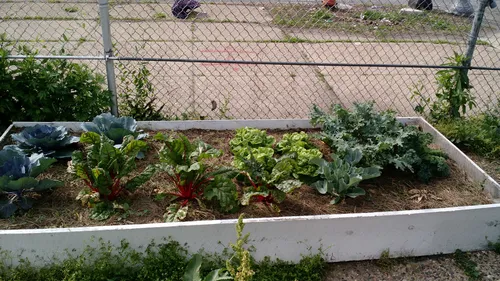
Bennett Compost provides food waste and composting services for restaurants and residents in Philadelphia, PA. The company offers weekly pickups of food scraps and other compostable materials, helping to reduce landfill waste by diverting organic material into nutrient-rich compost. Bennett Compost serves a variety of clients including coffee shops, breweries, florists, offices, and residential buildings, tailoring solutions to different compostable volumes. Founded in 2009 by Tim Bennett and now co-owned with Jennifer Mastalerz, the company diverts over 150 tons of waste each month and supports more than 6,000 households and businesses. Their service includes delivering clean compost bins and premium compost products during pickups.
Worm Return, LLC
Pittsburgh, PA
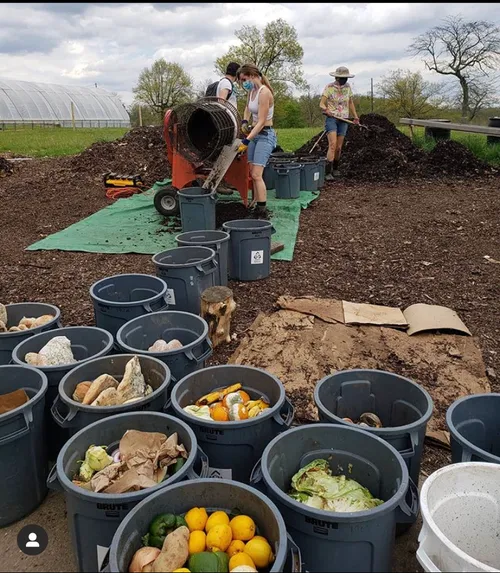
Worm Return, LLC is a female-owned company based in Pittsburgh, PA, specializing in food waste composting for restaurants and other commercial entities. They focus on diverting organic materials from landfills to create nutrient-rich soil amendments. Their services include compost pickups and interactive seminars, with options for weekly drop-off at a partner location for those outside their primary service area. Worm Return is socially responsible and committed to environmental sustainability through organic material diversion.
Understanding Pennsylvania's Regulatory Landscape
Pennsylvania's approach to commercial food waste is largely decentralized. There is no statewide landfill ban for organic materials and no law mandating that businesses divert food scraps1 2. However, all commercial entities are subject to Act 101, the state's foundational recycling law. This law requires businesses to recycle at least three types of common materials, such as corrugated cardboard, office paper, aluminum, and glass3 4. While food waste isn't included in this state mandate, it creates a baseline culture of recycling that many businesses build upon with voluntary organics programs.
The regulatory picture changes significantly within Philadelphia. The city has specific rules for businesses that generate food waste. According to the Philadelphia Commercial Waste Report Guide, these businesses must choose one of two paths5:
- Install and use a garbage disposer for grindable food waste.
- Arrange for organic waste collection at least twice per week.
This local ordinance makes Philadelphia an exception within the state and underscores the importance of checking with your local municipality or county for specific waste handling requirements6.
Service Options for Food Scrap Diversion
For restaurants outside of Philadelphia, or for those in the city choosing collection over disposers, partnering with a waste hauler is the most common path. Many haulers across Pennsylvania now offer food scrap collection as a standalone service or as part of a comprehensive waste management package.
Finding a Service Provider:
- Contact Your Current Hauler: The simplest first step is to inquire with your existing waste and recycling provider about food scrap collection options. They can provide details on container types, pickup schedules, and associated costs.
- Use the PA DEP Directory: The Pennsylvania Department of Environmental Protection (DEP) maintains a searchable Recycling & Compost Facility Directory. This is an invaluable tool for finding permitted composting facilities and haulers that accept commercial food waste in your region.
On-Site Composting Considerations: For operations with sufficient space and commitment, on-site composting is an option. The PA DEP outlines permitting requirements for composting facilities, which vary based on the scale and type of materials processed7. For most restaurants, small-scale, on-site systems for pre-consumer vegetative scraps may be manageable, but large-scale processing of post-consumer food waste typically requires more complex permits (like WMGM030 or WMGR025) and can be challenging to implement. It's crucial to review local zoning and health regulations in addition to state DEP rules before investing in on-site infrastructure.
The Financial and Operational Picture
The cost of food waste diversion in Pennsylvania is not fixed; it depends on several variables specific to your business8:
- Volume of Waste: The amount of food scraps you generate weekly.
- Hauler and Service Frequency: Rates vary by provider and how often they collect.
- Location: Service availability and pricing can differ between urban, suburban, and rural areas.
A key financial concept for restaurants to understand is waste stream reduction. By separating heavy, wet food scraps from your general trash, you can often reduce the volume (and therefore the cost) of your solid waste disposal. In many cases, the savings on trash hauling can partially or fully offset the new cost of organics collection, making the program cost-neutral or even saving money over time9. A successful program requires clear communication with your hauler and proper training for your staff on what goes in each bin to avoid contamination.
Find the perfect composting & food waste companies for your needs
Get personalized recommendations and expert advice
Building a Successful Program in Your Restaurant
Implementing a food scrap diversion program is more than just signing a contract with a hauler. It's an operational change that requires planning and team engagement.
1. Conduct a Waste Audit: Start by understanding what you're throwing away. Spend a week sorting and weighing your food waste (both pre- and post-consumer) to gauge volume and identify major sources. This data is essential for discussing service needs with haulers and setting reduction goals. 2. Choose the Right Partner: Use the PA DEP directory and get quotes from multiple haulers. Ask specific questions about container sizes, liner requirements, pickup schedules, and where the collected material is taken (e.g., to a composting facility, an anaerobic digester, or an animal feed operation). 3. Design Your Kitchen Workflow: Place clearly labeled collection bins in key prep and dishwashing areas. Use color-coding or distinct shapes to differentiate them from trash and recycling bins. Ensure bins are conveniently located to encourage proper use. 4. Train Your Team Thoroughly: Staff buy-in is critical. Hold training sessions to explain the "why" behind the program and provide clear, simple instructions on what is and isn't acceptable in the food scrap bin (e.g., yes to fruit peels and coffee grounds, no to plastic wrap or rubber bands). Consistent messaging and management support are key to long-term success. 5. Monitor and Adjust: Check the bins regularly for contamination, especially in the first few weeks. Provide feedback to your staff, celebrate successes, and be prepared to tweak bin locations or training materials as needed.
The Broader Impact and Future Trends
Diverting food waste from landfills in Pennsylvania has environmental benefits that extend beyond your restaurant's walls. In landfills, decomposing food scraps generate methane, a potent greenhouse gas. When processed at a composting facility or anaerobic digester, that same material is transformed into valuable products like nutrient-rich compost for soil or renewable energy10.
While statewide mandates may not be imminent, the trend is toward greater diversion. Counties and municipalities are increasingly including food waste management in their long-term sustainability and zero-waste plans11. By starting a program now, Pennsylvania restaurants can get ahead of potential future regulations, meet the growing expectations of environmentally conscious customers, and contribute to a more circular economy in the state.
Frequently asked questions
Sources
Footnotes
-
Pennsylvania Food Waste Policy Gap Analysis and Inventory (PDF) - https://www.nrdc.org/sites/default/files/pa-food-waste-policy-gap-report.pdf ↩
-
Pennsylvania Food Waste Policy - https://policyfinder.refed.org/pennsylvania/ ↩
-
RECYCLING - City of Philadelphia - https://www.phila.gov/media/20160526121809/Commercial-Recycling-Toolkit.pdf ↩
-
Act 101 Program Review - DEP - https://files.dep.state.pa.us/PublicParticipation/Advisory%20Committees/AdvCommPortalFiles/SWAC/2021/Dec16/Act101_WhitePaper_SWAC-RFAC_12-16-2021.pdf ↩
-
Commercial Waste Report Guide - City of Philadelphia - https://www.phila.gov/media/20201014160608/Commercial-Waste-Report-Guide.pdf ↩
-
Commercial - Institutional | Malvern Borough, PA - https://www.malvern.org/trash-recycling/pages/commercial-%E2%80%93-institutional ↩
-
Composting Facility Permitting Requirements | Department of Environmental Protection | Commonwealth of Pennsylvania - https://www.pa.gov/agencies/dep/residents/recycling-and-disposal/composting/permitting-and-administration ↩
-
FOOD WASTE DIVERSION GUIDE FOR RESTAURANTS - https://recyclingworksma.com/wp-content/uploads/2014/02/RW-Restaurant-Food-Waste-Diversion-Guide-2.3.14.pdf ↩
-
Food Scraps Programs In The United States - https://www.biocycle.net/food-scraps-programs-in-the-united-states/ ↩
-
Composting | Department of Environmental Protection | Commonwealth of Pennsylvania - https://www.pa.gov/agencies/dep/residents/recycling-and-disposal/composting ↩
-
Zero Waste Plan Update 03-2025 - Delaware County, Pennsylvania - https://delcopa.gov/sites/default/files/2025-04/ZeroWastePlanUpdate_03-25.pdf ↩