Find the Best Composting & Food Waste Companies for Your Business
No obligation • Fast responses • Nationwide coverage

Why you can trust Restaurant Waste Disposal
Restaurant Waste Disposal is a leading U.S. resource for comparing restaurant composting, food-waste recycling, grease trap cleaning, and used cooking oil collection services. Our editorial team researches providers, checks credentials, and organizes unbiased information so operators can make informed decisions. Companies cannot pay to change ratings or placement.
Search providers near you
Top Composting & Food Waste Companies in Bentonville, Arkansas Ranked
For restaurants in Bentonville, managing food scraps and organic waste is no longer just an environmental consideration-it's a core operational requirement. As of 2024, the city's municipal compost facility has stopped accepting material from commercial haulers, shifting the responsibility for restaurant food waste diversion entirely to private service providers. This change means that local eateries, cafes, and hotels must now proactively contract with specialized haulers to implement tailored organics recycling programs. Establishing a system for food waste collection is essential for reducing landfill contributions, supporting Northwest Arkansas's sustainability goals, and potentially uncovering operational savings. Navigating this new landscape involves understanding provider options, container logistics, contamination rules, and cost structures specific to the Bentonville market.
The Shift to Private Food Waste Hauling in Bentonville
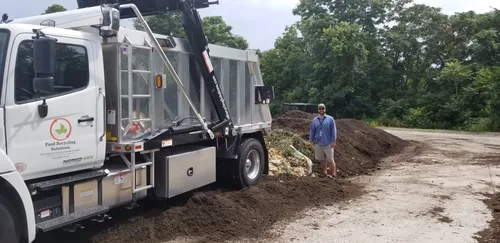
The most critical update for Bentonville's food service industry is the closure of the city's compost facility to commercial operators. Previously, some businesses may have relied on municipal pathways for yard waste or limited organics. Now, the facility focuses solely on residential yard waste, making private contracting the only viable route for commercial food scrap recycling 1. This policy aligns with a growing national trend where cities mandate or encourage commercial organics diversion, creating a market for private waste and recycling services. For restaurant managers and owners, this translates to a necessary procurement process: you must now source, vet, and contract with a third-party hauler capable of collecting and processing your food waste. This is a fundamental shift from a city-provided service to a competitive private market, requiring businesses to become informed consumers of waste services.
Identifying Local Service Providers for Organics Recycling
So, who can handle your restaurant's food waste in Northwest Arkansas? While the landscape is evolving, services are available. Large national providers like Republic Services, which already handles trash and recycling for many Bentonville businesses, often offer commercial food waste collection as an add-on service 2. It's crucial to contact your current waste hauler first to inquire about organics recycling programs. Beyond major providers, regional and local haulers serving the NWA area are entering this space. When searching, use terms like "commercial composting," "food scrap collection," or "organics recycling" rather than just "compost," as some services may use alternative processing methods like anaerobic digestion. Networking with other local restaurants or checking with the Bentonville Chamber of Commerce can also yield recommendations for providers who understand the specific needs and volume profiles of food service establishments.
Key Components of a Service Agreement
When you contact a hauler, be prepared to discuss several key program specifics:
- Service Scope: Confirm they accept the full range of your food waste, including pre-consumer scraps (peels, trimmings) and post-consumer plate waste.
- Container Logistics: Determine the bin size (e.g., 64-gallon, 96-gallon carts, or larger dumpsters) and whether they supply compostable liner bags.
- Collection Schedule: Align pickup frequency (weekly, bi-weekly, or more often) with your kitchen's output to avoid overflow and odor.
- Contamination Protocols: Get their explicit, written guidelines on prohibited items to prevent service issues or fees.
What Goes In (and Stays Out) of Your Compost Bin
A successful food waste diversion program hinges on preventing contamination. Even small amounts of plastic or glass can disrupt the composting process and lead to rejected loads. Here's a general guide, though you must always defer to your specific hauler's rules:
Accepted Materials Typically Include:
- Fruit and vegetable scraps, peels, and pits
- Meat, fish, bones, and dairy products (verify with hauler, as some facilities accept these)
- Eggshells and nutshells
- Bread, pasta, rice, and other grains
- Coffee grounds and filters, tea bags (staples removed)
- Soiled, non-plastic-coated paper products like napkins, paper towels, and unlined cardboard pizza boxes
- BPI-certified compostable serviceware and bags
Common Contaminants to Exclude:
- Plastic bags, wrap, or packaging (even if labeled "biodegradable")
- Glass, metal, aluminum foil, or utensils
- Styrofoam™ or other foam products
- Rubber bands, twist ties, or stickers
- Cooking oils and liquids (these usually require separate grease trap or used oil collection)
- Pet waste or traditional trash
Find the perfect composting & food waste companies for your needs
Get personalized recommendations and expert advice
Understanding Costs and Operational Logistics
Investing in food waste recycling involves a new line item in your operational budget, but it can be managed strategically. Costs are not fixed and depend entirely on your agreement with the hauler. Primary factors influencing price include the size and number of containers, the frequency of collection, and your location within Bentonville 3. You might encounter a monthly service fee that could range significantly based on volume. It's important to view this cost in a broader context: by diverting heavy, wet food scraps from your trash dumpster, you may be able to reduce the size or pickup frequency of your landfill-bound waste service, offsetting some of the new cost. Furthermore, many customers increasingly value sustainable businesses, making this a potential marketing and brand loyalty investment. Always request detailed, itemized quotes from multiple providers to compare not just price, but also service terms and contamination policies 4.
Implementing a Successful Program in Your Restaurant
Securing a hauler is just the first step. The real work is integrating food waste separation into your daily kitchen and front-of-house routines.
- Conduct a Waste Audit: Spend a week tracking what and how much food waste you generate. This data is invaluable for choosing the right container size and pickup schedule.
- Designate Clear Stations: Place clearly labeled compost bins in key areas: prep stations, dish pits, and potentially bus stations. Use color-coding (e.g., green for compost) and visual aids with pictures of accepted items.
- Train and Engage Your Team: Comprehensive staff training is non-negotiable. Explain the "why" behind the program-Bentonville's sustainability goals, landfill reduction-and the "how," with hands-on demonstrations. Make a staff member a "green champion" to maintain enthusiasm and answer questions.
- Monitor and Adjust: Regularly check bins for contamination, especially in the first few weeks. Provide feedback to your team and adjust bin placement as needed. A clean, well-managed program prevents pests and odors.
- Communicate with Your Hauler: Maintain an open line of communication. If you're hosting a large event or have a seasonal surge in volume, notify them in advance. If a bin is contaminated, understand why and retrain accordingly.
By following these steps, you transform food waste from a disposal problem into a streamlined, value-aligned part of your operations.
The Broader Impact: Why Bentonville Restaurants Are Essential
Food scraps and yard waste together constitute a significant portion of what ends up in American landfills, where they decompose anaerobically and generate methane, a potent greenhouse gas 5. By diverting this stream, Bentonville's restaurants are directly contributing to regional climate goals and conserving local landfill space. Furthermore, the processed compost or digestate created from this waste can be used to enrich soils in local agriculture and landscaping, closing the nutrient loop in the community. Your restaurant's participation helps build the necessary volume to make private food waste hauling services economically viable and efficient for the entire region, paving the way for a more resilient and sustainable local food system. It's a practical business decision with a powerful collective environmental impact.
Frequently asked questions
Sources
Footnotes
-
Compost Facility | Bentonville, AR - https://www.bentonvillear.com/170/Compost-Facility ↩
-
Trash & Recycling | Bentonville, AR - https://www.bentonvillear.com/246/Trash-Recycling ↩
-
What is Restaurant Composting? - Benefits & How It Works - https://www.webstaurantstore.com/article/60/restaurant-composting.html ↩
-
Guidance for Businesses Contracting for Trash, Recycling, & Food Waste Services - https://www.cetonline.org/wp-content/uploads/2024/01/Guidance-for-Businesses-Contracting-for-Trash-Recycling-and-Food-Waste-Services.pdf ↩
-
National Overview: Facts and Figures on Materials, Wastes and Recycling - https://www.epa.gov/facts-and-figures-about-materials-waste-and-recycling/national-overview-facts-and-figures-materials ↩