Find the Best Used Cooking Oil Collection Companies for Your Business
No obligation • Fast responses • Nationwide coverage

Why you can trust Restaurant Waste Disposal
Restaurant Waste Disposal is a leading U.S. resource for comparing restaurant composting, food-waste recycling, grease trap cleaning, and used cooking oil collection services. Our editorial team researches providers, checks credentials, and organizes unbiased information so operators can make informed decisions. Companies cannot pay to change ratings or placement.
Search providers near you
Top Used Cooking Oil Collection Companies in West Valley City, Utah Ranked
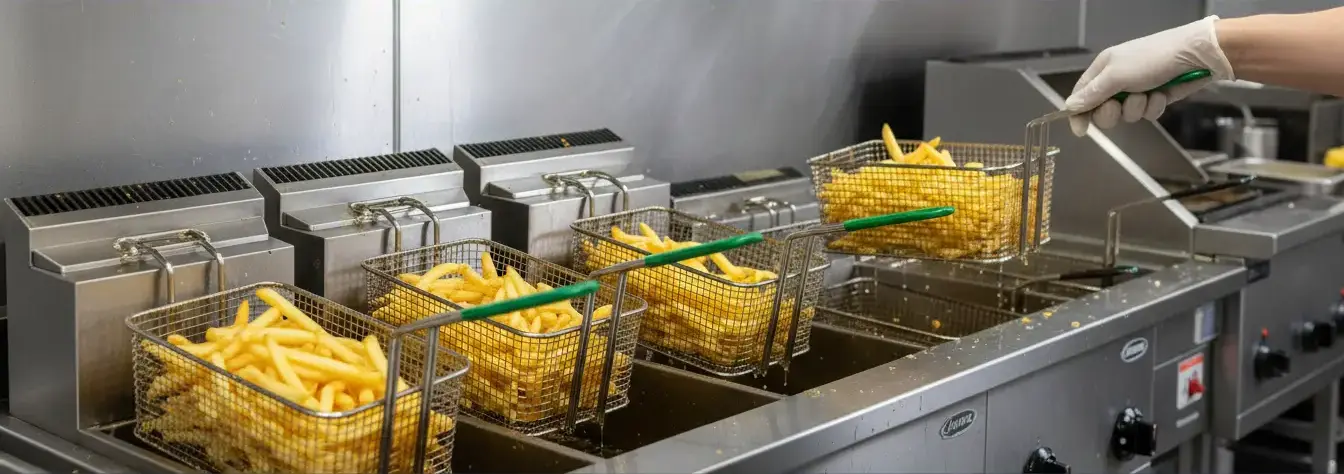
For restaurants and food service businesses in West Valley City, managing used cooking oil (UCO) is a critical operational task that intersects with environmental compliance, safety, and even potential revenue. Proper disposal of this yellow grease isn't just about cleanliness; it's a regulated process governed by city ordinances and state law to protect the local sewer system and waterways. By partnering with a permitted hauler, businesses can ensure their waste oil is collected from secure containers and transformed into valuable products like biodiesel, turning a waste stream into a resource. This guide outlines the essential steps, rules, and benefits of establishing a reliable used cooking oil recycling program.
Understanding Local Regulations for Grease Disposal
Compliance is the foundation of any used cooking oil management plan. In West Valley City, specific rules are designed to prevent environmental harm and public health nuisances.
Key City and State Requirements:
- No Sewer Disposal: It is illegal to pour grease, fats, or used cooking oil into sinks, floor drains, or any part of the sanitary sewer system 1 2. This practice leads to costly blockages and sewer overflows.
- Regular Collection: Commercial establishments must have solid waste, including grease and oil, removed frequently enough to prevent odors, pests, and fire hazards-typically at least on a weekly basis 3.
- Use of Permitted Haulers: Used oil must be transported off-site only by licensed and permitted haulers or transporters. These companies are registered with the state and understand the tracking and reporting requirements.
- State Oversight: The Utah Department of Environmental Quality (DEQ) regulates used oil collection centers and transporters, setting stringent standards for safe handling, storage, and documentation to ensure environmental protection 4.
The Step-by-Step Collection and Recycling Process
Establishing a routine for your kitchen staff simplifies compliance and ensures a smooth handoff to your collection provider.
- Cooling and Initial Handling: After frying, allow the oil to cool to a safe temperature (below 120°F is recommended) to prevent burns and container damage. Scrape out any large food solids into the trash or compost.
- Secure Storage: Pour the cooled liquid oil into a dedicated, leak-proof container labeled "Used Oil." Many haulers provide locked, secure collection bins to prevent theft and spills.
- Scheduled Pickup: Your permitted hauler will collect the oil on a pre-arranged schedule, whether weekly, bi-weekly, or as needed based on your volume.
- Recycling and Transformation: The collected oil is transported to a processing facility where it is filtered and purified. It is then converted into products like clean-burning biodiesel, animal feed supplements, or industrial lubricants, completing the recycling loop 5.
Best Practices for On-Site Oil Storage
Proper on-site management minimizes risks and keeps your back-of-house area safe and organized.
- Container Specifications: Use sturdy, sealable containers made of metal or thick plastic. They must be clearly labeled and kept closed when not in use.
- Ideal Location: Place containers in a designated area near your back door for easy hauler access, but ensure they are away from storm drains, active work areas, and sources of ignition.
- Spill Preparedness: Keep absorbent materials like sawdust or commercial spill pads nearby to manage any accidental drips or leaks immediately.
Choosing a Service Provider in West Valley City
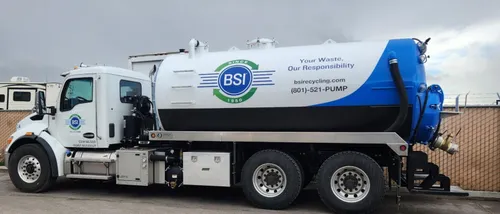
Selecting the right partner for your grease trap and used oil needs is crucial. Local providers like Beck's Sanitation and Renegade Oil offer services tailored to the area's regulations 6 7. When evaluating providers, consider their pickup reliability, container security features, compliance documentation, and customer service responsiveness.
Find the perfect used cooking oil collection companies for your needs
Get personalized recommendations and expert advice
Potential Costs and Revenue Models
The financial aspect of used cooking oil collection can vary significantly based on your establishment's output.
- For High-Volume Producers: Restaurants that generate large, consistent quantities of used oil may qualify for free pickup services or even earn revenue based on the market value of the recycled oil. The oil becomes a commodity rather than a waste expense.
- For Lower-Volume Operations: Businesses with smaller amounts of oil may pay a service fee for collection. These fees can sometimes range in the ballpark of a few dimes per gallon, though specific rates are set by individual haulers based on volume, frequency, and location 8 9 10.
- Value-Added Services: Some providers bundle used oil collection with other essential services like grease trap cleaning, which can streamline operations and potentially offer cost savings.
Environmental and Community Benefits
Participating in a formal used cooking oil recycling program extends benefits far beyond your kitchen. Diverting this material from landfills and sewers reduces strain on municipal wastewater treatment facilities and prevents pipe blockages that can cause backups in the community. Most importantly, recycling UCO into biodiesel creates a renewable fuel that burns cleaner than petroleum diesel, reducing overall greenhouse gas emissions and contributing to a more sustainable local economy.
Frequently asked questions
Sources
Footnotes
-
Collection Centers: Used Oil Program - https://deq.utah.gov/waste-management-and-radiation-control/collection-centers-used-oil-program ↩
-
ordinance no. 153 - West Valley Sanitation District - https://www.wvsdca.gov/DocumentCenter/View/565 ↩
-
24-2-114 Collection and Transportation of Waste.* (Section 13.0) | West Valley City Municipal Code - https://westvalleycity.municipal.codes/Code/24-2-114 ↩
-
Used Oil Rules: Waste Management and Radiation Control Laws and Rules - Utah Department of Environmental Quality - https://deq.utah.gov/waste-management-and-radiation-control/used-oil-rules-waste-management-and-radiation-control-laws-and-rules ↩
-
Recycling Used Cooking Oil With Green Grease Environmental - https://www.youtube.com/watch?v=KP05Yx-GkHk ↩
-
Used Cooking Oil Recycling Utah | Beck's Sanitation - https://www.bsirecycling.com/utah-cooking-oil-recycling ↩
-
Used Cooking Oil Collection| Utah | (801) 973-7912 - Renegade Oil - https://www.renegadeoil.com/utah/used-cooking-oil-collection ↩
-
Used Cooking Oil Disposal: Complete Guide to Grease Pickups - https://greaseconnections.com/used-cooking-oil-disposal-guide-grease-pickups/ ↩
-
Restaurant Used Cooking Oil Recycling & Disposal Guide - https://greaseconnections.com/restaurant-used-cooking-oil-disposal-recycling-revenue-guide/ ↩
-
Used Cooking Oil Pickup vs Drop-Off - GreasePros Recycling - https://www.greaseprosrecycling.com/used-cooking-oil-pickup-vs-drop-off/ ↩