
Find the Best Used Cooking Oil Collection Companies for Your Business
No obligation • Fast responses • Nationwide coverage

Why you can trust Restaurant Waste Disposal
Restaurant Waste Disposal is a leading U.S. resource for comparing restaurant composting, food-waste recycling, grease trap cleaning, and used cooking oil collection services. Our editorial team researches providers, checks credentials, and organizes unbiased information so operators can make informed decisions. Companies cannot pay to change ratings or placement.
Search providers near you
Top Used Cooking Oil Collection Companies in West Jordan, Utah Ranked
For restaurants and food service establishments in West Jordan, managing used cooking oil (UCO) is a critical operational task that intersects with environmental responsibility, regulatory compliance, and potential revenue. Proper disposal of this waste stream is not just about cleanliness; it's a structured process involving licensed haulers who collect the oil for recycling into valuable products like biodiesel. By partnering with a professional collection service, local businesses ensure they meet Salt Lake County and Utah state regulations, protect their plumbing and the municipal sewer system, and can even turn a waste product into a modest income stream. This guide outlines the essential practices, processes, and partners for effective grease and oil management in West Jordan.
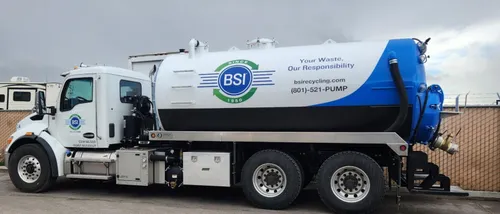
Why Proper UCO Management is Essential
Improper disposal of used fryer oil and grease is a significant issue for both individual businesses and the community. Pouring oil down the drain is a leading cause of sewer blockages, which can lead to costly backups and repairs for the restaurant and municipal treatment facilities. Beyond the pipes, used cooking oil that enters the environment can contaminate soil and waterways. In West Jordan, adhering to local health and environmental rules is not just a best practice-it's a legal requirement. The Utah Department of Environmental Quality (DEQ) mandates that used oil be managed by permitted facilities and transporters to prevent pollution and encourage recycling 1 2. A reliable collection program is the cornerstone of compliant and sustainable kitchen operations.
The Standard Collection Process for Restaurants
A seamless used cooking oil pickup service follows a clear, step-by-step workflow designed for safety and efficiency.
1. On-Site Storage and Preparation After cooking, oil must be allowed to cool completely. Kitchen staff then filter out food particles and water before transferring the oil into a dedicated, leak-proof storage container 3. Most professional collection companies, such as those serving West Jordan, will provide a sturdy, labeled tank for this purpose. These containers are typically placed in a secure, accessible outdoor location, sometimes with secondary containment to manage any potential spills.
2. Scheduling and Pickup Restaurants arrange a regular pickup schedule-weekly, bi-weekly, or monthly-based on their oil volume. When the service provider arrives, a technician uses a specialized pump to transfer the oil from your storage tank directly into their collection truck. This closed-loop system minimizes mess and spill risk. It's crucial to work with a licensed hauler permitted to transport used oil in Utah.
3. Recycling and Documentation The collected oil is transported to a processing facility. There, it undergoes heating, filtering, and refining to be transformed into new products, most commonly renewable biodiesel fuel 4. Upon each collection, the restaurant should receive a documentation ticket or manifest as proof of proper, legal disposal, which is important for regulatory compliance records 5.
Choosing a Collection Service in West Jordan
Several licensed providers offer used cooking oil recycling services in the West Jordan area. When evaluating companies, consider their reliability, compliance status, and the terms of service. Reputable local providers like Grand Natural and Beck's Sanitation offer tailored programs for restaurants of all sizes 6. Key questions to ask include:
- Are you fully permitted and insured for used oil transport in Utah?
- Do you provide secure, labeled collection containers?
- What is the pickup schedule and process?
- How is revenue or cost structured for my volume?
Find the perfect used cooking oil collection companies for your needs
Get personalized recommendations and expert advice
Understanding Costs and Potential Revenue
The financial model for used cooking oil collection is typically volume-based. For many West Jordan restaurants, this service isn't an expense but a source of modest revenue.
- Low Volume (Under 100 gallons/month): Many collectors offer free pickup for smaller generators, as the oil's value covers the service cost. Some may even provide a small rebate 7.
- Medium Volume (100-300 gallons/month): At this level, arrangements vary. Some services charge a small fee per gallon (e.g., $0.10 - $0.25), while others may share revenue, turning your waste into a direct income stream.
- High Volume (Over 300 gallons/month): Larger restaurants, institutional kitchens, and food processors can generate significant revenue. Prices paid for used oil fluctuate with the commodities market but can range from $0.25 to over $0.65 per gallon, making proper management a financially smart practice 8 9.
Your used oil is a feedstock for biofuel production, and its value is recognized by the recycling industry.
Compliance and Best Practices
To avoid violations and ensure a smooth partnership with your hauler, follow these essential guidelines:
- Never Pour Grease Down the Drain: This is the cardinal rule. It leads to "fatbergs" in sewers, environmental harm, and potential fines.
- Use Approved Containers: Store oil only in the provided or industry-standard containers designed for this purpose. Ensure they are clearly labeled "Used Cooking Oil" and have tight-sealing lids 10.
- Keep Contaminants Out: Only pure used cooking oil should go into the collection tank. Do not mix in antifreeze, solvents, gasoline, or other hazardous materials, as this contaminates the entire batch and complicates recycling 11.
- Maintain a Clean Collection Area: Keep the area around your storage tank clear of debris and accessible for the collection driver. This promotes safety and professionalism.
By integrating these practices, West Jordan food businesses contribute to a circular economy, where yesterday's frying oil can become tomorrow's clean-burning fuel.
Frequently asked questions
Sources
Footnotes
-
Collection Centers: Used Oil Program - https://deq.utah.gov/waste-management-and-radiation-control/collection-centers-used-oil-program ↩
-
Used Oil Compliance - Utah Department of Environmental Quality - https://deq.utah.gov/waste-management-and-radiation-control/inspections-enforcement-and-prohibited-practices-used-oil-program ↩
-
What Do Restaurants Do with Grease? - Mahoney Environmental - https://www.mahoneyes.com/what-do-restaurants-do-with-grease/ ↩
-
Used Cooking Oil Recycling | Solid Waste Authority of Palm Beach ... - https://www.swa.org/173/Used-Cooking-Oil ↩
-
Used Cooking Oil (UCO) Collection Service For Restaurants - https://thegreasecompany.com/blog/restaurant-used-cooking-oil-collection/ ↩
-
Used Cooking Oil Recycling Utah | Beck's Sanitation - https://www.bsirecycling.com/utah-cooking-oil-recycling ↩
-
Used Cooking Oil Pickup vs Drop-Off - GreasePros Recycling - https://www.greaseprosrecycling.com/used-cooking-oil-pickup-vs-drop-off/ ↩
-
Restaurant Used Cooking Oil Recycling & Disposal Guide - https://greaseconnections.com/restaurant-used-cooking-oil-disposal-recycling-revenue-guide/ ↩
-
Used Cooking Oil Disposal: Complete Guide to Grease Pickups - https://greaseconnections.com/used-cooking-oil-disposal-guide-grease-pickups/ ↩
-
Used Cooking Oil Pickup and Recycling Services in West ... - https://www.grandnatural.com/locations/used-cooking-oil-recycling-in-west-jordan.html ↩
-
Restaurant Oil Disposal: Explained - Eazy Grease - https://eazygrease.com/how-do-restaurants-get-rid-of-their-oil/ ↩