Find the Best Used Cooking Oil Collection Companies for Your Business
No obligation • Fast responses • Nationwide coverage

Why you can trust Restaurant Waste Disposal
Restaurant Waste Disposal is a leading U.S. resource for comparing restaurant composting, food-waste recycling, grease trap cleaning, and used cooking oil collection services. Our editorial team researches providers, checks credentials, and organizes unbiased information so operators can make informed decisions. Companies cannot pay to change ratings or placement.
Search providers near you
Top Used Cooking Oil Collection Companies in Taylorsville, Utah Ranked
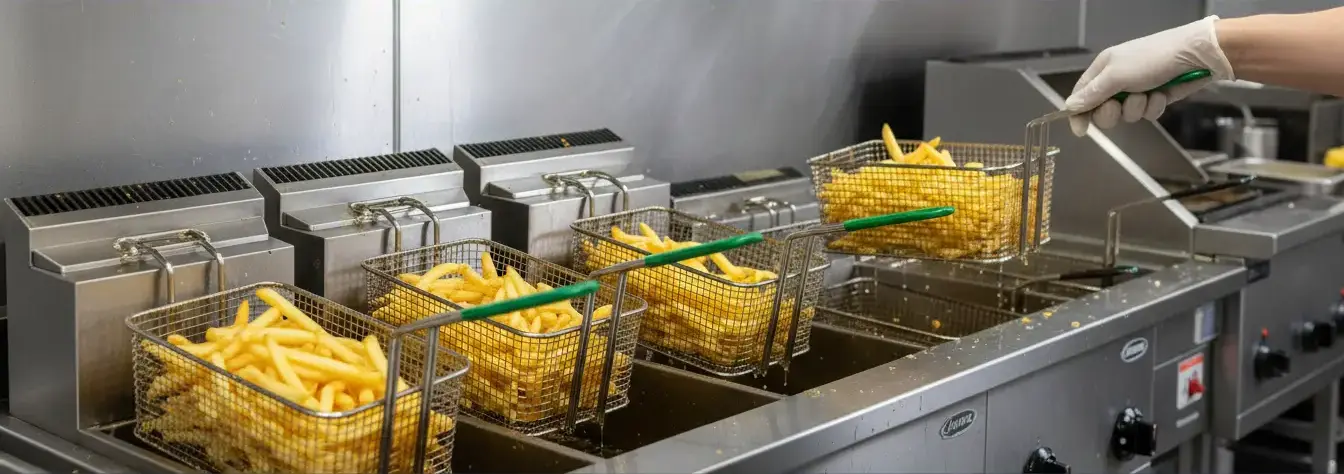
For restaurants and food service establishments in Taylorsville, managing used cooking oil (UCO) is a critical operational task that intersects with environmental compliance, cost management, and sustainability goals. Proper grease disposal and recycling are not just best practices but are mandated by Utah state regulations, requiring businesses to partner with licensed haulers for removal. By implementing a secure collection system, local eateries can transform a waste product into a valuable commodity, often generating rebates while contributing to the production of biofuels like biodiesel. This guide outlines the essential steps for compliant UCO management, from secure storage and scheduled pickups to understanding the recycling journey that gives your kitchen grease a second life.
Understanding Utah and Taylorsville Regulations
Navigating the legal landscape is the first step for any business handling used fryer oil. In Utah, used cooking oil is classified as a waste product with specific handling rules enforced by the Department of Environmental Quality (DEQ) 1. For commercial entities, the core mandate is clear: food service establishments (FSEs) must use state-approved, licensed haulers for removal. Disposing of oil by pouring it down drains, into sewers, or onto the ground is strictly prohibited and can result in significant fines due to the risk of sewer blockages and water contamination.
These regulations are designed to ensure that grease trap waste and cooking oil are tracked from your kitchen to their final recycling destination, creating a closed-loop system that prevents environmental harm. Using an unlicensed service not only risks non-compliance but can also complicate your waste documentation. Partnering with a licensed provider is the simplest way to ensure your Taylorsville restaurant meets all local and state requirements seamlessly.
Best Practices for On-Site Oil Storage
Before a hauler can collect your used oil, it must be stored safely and securely on your premises. Proper storage prevents accidents, deters theft, and maintains the quality of the oil, which can affect its recycling value.
- Use Approved Containers: Oil should be stored in dedicated, leak-proof containers that are clearly labeled "Used Cooking Oil"2. Many providers supply locked, durable drums or tanks specifically designed for this purpose.
- Implement Safe Handling Procedures: Always allow oil to cool completely (typically below 120°F) before transferring it to storage containers to prevent burns and damage to plastic drums. Designate a specific, trained staff member for oil handling to ensure consistency.
- Choose a Secure Location: Place storage containers in a well-ventilated area, often near a back door for easy hauler access. The area should have spill containment measures, such as a drip pan or berm, and be protected from the elements.
- Prioritize Security: Grease theft is a concern, as used oil has value on the commodities market. Secure your storage area with locks, security lighting, and surveillance cameras to protect your asset3.
The Collection and Recycling Process
Once your oil is safely stored, the collection process begins. This is typically a hands-off operation for restaurant staff, managed entirely by your chosen service provider.
- Scheduling a Pickup: You or your provider will schedule regular pickups based on your oil production volume-whether weekly, bi-weekly, or monthly. Companies like Beck's Sanitation and others serving the Salt Lake Valley offer flexible scheduling to match your kitchen's pace.
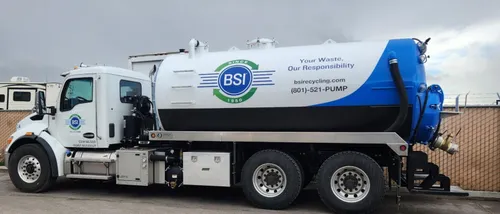
- The Collection Visit: On the scheduled day, a trained technician will arrive with a specialized truck. They will pump the oil directly from your secure storage container into their tank, ensuring a clean and efficient transfer with minimal disruption to your operations.
- Transportation and Documentation: The hauler transports the oil to a processing facility. A crucial part of this step is documentation; licensed haulers provide you with records detailing the date and quantity of oil collected, which serves as proof of compliant disposal for your business records4.
- Transformation into New Products: At the recycling facility, the used cooking oil undergoes filtering to remove food particles and water. It is then processed and refined. The highest and best use for this material is conversion into biodiesel, a renewable fuel. It can also be used in the production of animal feed, industrial lubricants, and soaps.
Find the perfect used cooking oil collection companies for your needs
Get personalized recommendations and expert advice
Financial Considerations: Cost vs. Revenue
A common question from restaurant managers is about the economics of used cooking oil collection. The model is not purely a disposal cost; it can be a source of minor revenue.
- Potential for Rebates: The financial return depends heavily on the volume and quality of oil you produce. High-quality, well-filtered oil from a busy kitchen is more valuable to recyclers. Many collection services offer rebate programs, where you can earn a per-gallon credit, often ranging from a few cents to over $0.50 per gallon, depending on market conditions5 6. This rebate can offset service fees or, in some cases, cover the entire cost of disposal.
- Understanding Service Fees: For smaller volumes or oil with more contaminants, some providers may charge a nominal pickup fee. It's important to get clear pricing details from your hauler. Many offer free pickup for qualifying volumes, making the service essentially cost-neutral or profitable for the restaurant.
- The Cost of Non-Compliance: It's vital to weigh these potential small costs against the significant expense of non-compliance. Fines for improper disposal, along with the potential cost of repairing sewer lines or cleaning up environmental spills, far outweigh any service fee7.
Why Proper Disposal Matters for Taylorsville Businesses
Beyond avoiding fines, responsible used cooking oil management offers tangible benefits for your business and the community.
- Environmental Stewardship: Recycling used oil into biodiesel reduces reliance on fossil fuels and lowers greenhouse gas emissions. It keeps a contaminant out of local waterways and the Jordan River basin 8.
- Operational Safety and Cleanliness: A formal collection system with proper storage reduces slip-and-fall hazards, pest attraction, and unpleasant odors in your kitchen and dumpster areas9 10.
- Enhanced Sustainability Profile: Consumers increasingly support businesses with strong environmental practices. Promoting your restaurant's commitment to grease recycling can be a positive point in your marketing and community relations.
- Supporting the Local Economy: The collected oil supports a recycling industry that creates jobs, from collection technicians to biodiesel plant operators right here in Utah.
Choosing a Service Provider in Taylorsville
Selecting the right partner is key. Look for a provider that is fully licensed and permitted in the state of Utah. They should offer secure, lockable containers and have a reliable pickup schedule. Transparency in pricing-whether it's a fee-for-service or a rebate structure-is essential. Finally, choose a company with a proven track record of customer service and clear communication, ensuring you always have the documentation you need for compliance audits11 12.
Frequently asked questions
Sources
Footnotes
-
Used Oil Recycling Program - https://deq.utah.gov/waste-management-and-radiation-control/used-oil-recycling-program ↩
-
Collection Centers: Used Oil Program - https://deq.utah.gov/waste-management-and-radiation-control/collection-centers-used-oil-program ↩
-
Used Cooking Oil Disposal: Complete Guide to Grease Pickups - https://greaseconnections.com/used-cooking-oil-disposal-guide-grease-pickups/ ↩
-
Used Cooking Oil Pickup vs Drop-Off - GreasePros Recycling - https://www.greaseprosrecycling.com/used-cooking-oil-pickup-vs-drop-off/ ↩
-
Used Cooking Oil (UCO) Collection Service For Restaurants - https://thegreasecompany.com/blog/restaurant-used-cooking-oil-collection/ ↩
-
Restaurant Used Cooking Oil Recycling & Disposal Guide - https://greaseconnections.com/restaurant-used-cooking-oil-disposal-recycling-revenue-guide/ ↩
-
Used Oil Compliance - Utah Department of Environmental Quality - https://deq.utah.gov/waste-management-and-radiation-control/inspections-enforcement-and-prohibited-practices-used-oil-program ↩
-
Cooking Oil Collection & Grease Recycling Service - https://thegreasecompany.com/oilcollection.html ↩
-
Restaurant Oil Disposal: Explained - Eazy Grease - https://eazygrease.com/how-do-restaurants-get-rid-of-their-oil/ ↩
-
The Ultimate Guide to Restaurant Oil Disposal & Waste ... - https://kernuco.com/post/restaurant-oil-disposal ↩
-
Used Cooking Oil Recycling Utah | Beck's Sanitation - https://www.bsirecycling.com/utah-cooking-oil-recycling ↩
-
Restaurant Grease & Cooking Oil Recycling Services - https://eazygrease.com/restaurant-grease-cooking-oil-recycling/ ↩