Find the Best Used Cooking Oil Collection Companies for Your Business
No obligation • Fast responses • Nationwide coverage

Why you can trust Restaurant Waste Disposal
Restaurant Waste Disposal is a leading U.S. resource for comparing restaurant composting, food-waste recycling, grease trap cleaning, and used cooking oil collection services. Our editorial team researches providers, checks credentials, and organizes unbiased information so operators can make informed decisions. Companies cannot pay to change ratings or placement.
Search providers near you
Top Used Cooking Oil Collection Companies in Riverton, Utah Ranked
For restaurants and food service businesses in Riverton, managing used cooking oil (UCO) is a critical operational and environmental responsibility. Proper collection and recycling of this waste stream not only ensures compliance with Utah state regulations but also transforms a potential disposal headache into a valuable resource. By partnering with a licensed hauler, Riverton establishments can implement a seamless system for grease trap waste and used oil, contributing to the production of biodiesel and other sustainable products while potentially offsetting service costs. This guide outlines the essential steps, rules, and economic considerations for effective UCO management in the local area.
Understanding Utah's Regulations for Oil Disposal
Navigating the legal requirements is the first step for any Riverton business. The Utah Department of Environmental Quality (DEQ) has clear rules designed to protect the sewer system and local waterways from contamination.
Key Prohibitions and Requirements:
- No Sewer Discharge: It is strictly prohibited to pour used fryer oil or any grease down drains, into storm sewers, or into waterways. This practice can cause severe blockages and environmental harm.
- Secure Storage: Used oil must be accumulated in secure, leak-proof tanks or containers that are clearly labeled as "Used Oil" 1. These containers should be stored in a protected location to prevent spills, theft, or tampering.
- Maintain Oil Purity: To preserve the oil's value for recycling, avoid contaminating it with water, solvents, antifreeze, or other hazardous materials. Clean oil is more valuable and easier to process into biodiesel.
- Record Keeping: Maintain proper documentation of your oil collection and recycling. Reputable haulers will provide you with EPA-compliant documentation, such as manifests, which are essential for demonstrating compliance during inspections 2.
The Step-by-Step Collection and Recycling Process
Implementing a used cooking oil program in Riverton is a straightforward process when you work with a professional service provider.
- Schedule a Pickup: The process begins by partnering with a licensed hauler that services the Salt Lake Valley, such as Beck's Sanitation or other local providers 3. They will assess your needs and establish a pickup schedule-typically weekly, bi-weekly, or monthly-based on your volume.
- Store the Oil Properly: Your hauler will usually provide a dedicated, locked collection container or tank. All used frying oil should be carefully poured into this container after it has cooled, ideally using a filter to remove food particles 4.
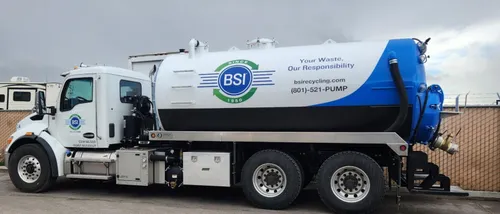
- Professional Collection: On the scheduled day, the service technician will pump the oil from your storage container directly into their specialized collection truck. This closed-loop system minimizes mess and spill risk.
- Transport and Recycling: The collected oil is transported to a processing facility. There, it is cleaned and converted into valuable products, primarily biodiesel fuel, but also ingredients for animal feed or industrial lubricants. This completes the cycle, turning waste into a renewable resource.
Economic Considerations: Cost vs. Potential Revenue
The financial model for used cooking oil collection in Riverton isn't one-size-fits-all; it primarily depends on the volume of oil your kitchen generates.
- For Lower-Volume Producers: Smaller restaurants or cafes that generate less than 50-100 gallons of used oil per month may incur a service fee for pickup. These fees can range from approximately $60 to $120 per month, covering the cost of the container, regular service, and compliance handling.
- For Higher-Volume Producers: Establishments with high fryer usage, such as large restaurants or fast-food chains, often generate enough volume to enter a rebate program. Depending on the current market and the quality of your oil, you may earn a rebate ranging from $0.10 to $0.65 per gallon 5 6. For volumes exceeding 100 gallons per month, many services offer free pickup and container provision, with the rebate potentially covering or even exceeding any associated costs 5 7.
This variable structure means that for some businesses, used oil collection is a minor operational expense, while for others, it can become a small revenue stream or a cost-neutral sustainability initiative.
Find the perfect used cooking oil collection companies for your needs
Get personalized recommendations and expert advice
Benefits of a Professional UCO Program
Beyond basic compliance, establishing a formal used cooking oil collection system offers several advantages for Riverton businesses.
Enhanced Safety and Cleanliness: Professional, locked containers prevent spills and leaks in your storage area, reducing slip hazards and pest attraction. It also eliminates the unsafe practice of handling hot oil or storing it in makeshift containers.
Streamlined Operations: A set pickup schedule managed by your hauler removes the task of oil disposal from your staff's responsibilities. You won't need to coordinate drop-offs or worry about storage capacity, as the service provider manages the logistics.
Strengthened Sustainability Profile: Participating in a recycling program provides a clear, demonstrable environmental benefit. You can communicate to customers that your used oil is being converted into renewable biodiesel, reducing fossil fuel dependence and supporting a circular economy 8 9. This aligns with growing consumer preference for environmentally responsible businesses.
Protection Against Liability: Proper disposal through a licensed hauler shields your business from potential fines and cleanup costs associated with improper disposal or spills. The documentation provided serves as proof of your compliance efforts.
Choosing a Service Provider in Riverton
Selecting the right partner is crucial for a smooth and beneficial experience. When evaluating used cooking oil collection services in the Riverton area, consider the following factors:
- Licensing and Compliance: Verify that the hauler is fully licensed and permitted to operate in Utah. They should automatically provide you with all necessary documentation for DEQ compliance.
- Service Reliability: Look for a company with a reputation for consistent, on-time pickups. Inconsistent service can lead to overflows, odors, and operational disruptions.
- Container Quality: Ensure they provide sturdy, lockable, and leak-proof containers appropriate for your volume. The container should be clearly labeled and well-maintained.
- Transparent Pricing or Rebate Structure: Understand the financial terms clearly. Whether it's a flat monthly fee or a rebate-per-gallon model, the agreement should be straightforward with no hidden charges.
- Customer Service: Choose a provider that is responsive and easy to communicate with. They should be able to easily adjust your service schedule as your business needs change.
By taking these factors into account, you can establish a partnership that turns used cooking oil management from a chore into a streamlined, compliant, and potentially valuable aspect of your restaurant's operations.
Frequently asked questions
Sources
Footnotes
-
Collection Centers: Used Oil Program - https://deq.utah.gov/waste-management-and-radiation-control/collection-centers-used-oil-program ↩
-
Used Oil Compliance - Utah Department of Environmental Quality - https://deq.utah.gov/waste-management-and-radiation-control/inspections-enforcement-and-prohibited-practices-used-oil-program ↩
-
Used Cooking Oil Recycling Utah | Beck's Sanitation - https://www.bsirecycling.com/utah-cooking-oil-recycling ↩
-
Used Cooking Oil (UCO) Collection Service For Restaurants - https://thegreasecompany.com/blog/restaurant-used-cooking-oil-collection/ ↩
-
Restaurant Used Cooking Oil Recycling & Disposal Guide - https://greaseconnections.com/restaurant-used-cooking-oil-disposal-recycling-revenue-guide/ ↩ ↩2
-
Used Cooking Oil Disposal: Complete Guide to Grease Pickups - https://greaseconnections.com/used-cooking-oil-disposal-guide-grease-pickups/ ↩
-
Used Cooking Oil Pickup vs Drop-Off - GreasePros Recycling - https://www.greaseprosrecycling.com/used-cooking-oil-pickup-vs-drop-off/ ↩
-
Cooking Oil Recycling - Beck's Sanitation - https://www.bsirecycling.com/services/cooking-oil-recycling ↩
-
How to Implement a Used Cooking Oil Recycling Program - FCS, Inc - https://www.fcs-inc.org/implement-a-used-cooking-oil-recycling-program/ ↩