Find the Best Used Cooking Oil Collection Companies for Your Business
No obligation • Fast responses • Nationwide coverage

Why you can trust Restaurant Waste Disposal
Restaurant Waste Disposal is a leading U.S. resource for comparing restaurant composting, food-waste recycling, grease trap cleaning, and used cooking oil collection services. Our editorial team researches providers, checks credentials, and organizes unbiased information so operators can make informed decisions. Companies cannot pay to change ratings or placement.
Search providers near you
Top Used Cooking Oil Collection Companies in Murray, Utah Ranked
For restaurants and food service establishments in Murray, managing used cooking oil (UCO) is a critical operational task that intersects with environmental responsibility, regulatory compliance, and potential cost recovery. Proper grease collection and recycling prevent costly sewer blockages, avoid significant fines, and contribute to the circular economy by transforming waste into valuable biodiesel. In Murray, this process is streamlined through partnerships with specialized third-party haulers who provide secure containers, scheduled pickups, and ensure all activities align with Utah's strict waste oil regulations. Navigating the options for grease trap services and oil recycling can optimize your kitchen's waste stream, turning a liability into an asset while supporting local sustainability goals.
Understanding Utah's Regulations for Oil Disposal
Compliance is the cornerstone of any used cooking oil management program. In Utah, the Department of Environmental Quality (DEQ) enforces rules that strictly prohibit the disposal of fats, oils, and grease (FOG) into sewers, drains, or landfills. These regulations are designed to protect municipal wastewater infrastructure from blockages and overflows, which can lead to environmental damage and public health concerns. For a restaurant in Murray, non-compliance isn't just an operational misstep-it can result in enforcement actions and fines that escalate with the severity of the violation.
The state's Used Oil Program outlines specific standards for storage and handling to prevent contamination and spills1. This means restaurants must move beyond simply pouring oil down a drain or into a trash bin. Adherence to these rules is not optional; it's a mandatory aspect of running a food service business. Partnering with a licensed grease collection service is the most reliable way to ensure your operation meets all DEQ requirements, as these professionals are well-versed in the latest regulatory updates and proper documentation.
Best Practices for On-Site Storage and Handling
Before collection even occurs, proper on-site management is essential. Safe and compliant storage starts with using the right containers. Restaurants should utilize dedicated, airtight vessels made from durable materials like steel or heavy-duty plastic2. These containers must be clearly labeled to avoid confusion with other liquids and stored in a cool, dark place to maintain the oil's quality. Most professional collection services will provide locked, secure bins specifically designed for this purpose, which they install and maintain.
Preventing contamination is a key part of storage. This means ensuring that water, food particles, and other waste streams do not mix with the used cooking oil. Contaminated oil is more difficult and costly to recycle, which can affect the rebates a restaurant might receive. Implementing simple staff training on properly draining and filtering oil after use can significantly preserve its value. A clean waste stream is not only better for the recycling process but also minimizes odors and pests in your storage area.
How Professional Grease Collection Services Work
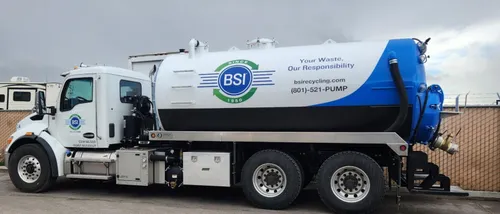
For most Murray restaurants, the primary method for handling used cooking oil is contracting with a third-party grease hauler. Companies like Beck's Sanitation, which operates in Utah, specialize in this service. The process typically begins with an assessment of your restaurant's volume and needs. The service provider will then supply specially designed, locked collection bins to place in a convenient outdoor or indoor location.
The hauler establishes a regular pickup schedule-whether weekly, bi-weekly, or monthly-based on your kitchen's oil production. On service day, a trained technician arrives, empties the full container into a specialized truck, and leaves a clean, empty bin in its place. The collected oil is then transported to a processing facility. This hassle-free, scheduled service ensures you never have to worry about overflows or emergency disposals, allowing your staff to focus on food preparation and customer service.
The Recycling Journey: From Fryer to Fuel
Once collected, the used cooking oil from Murray restaurants begins a transformative journey. It is not treated as waste but as a valuable feedstock. At recycling facilities, the oil undergoes a purification process to remove water, food solids, and other impurities. The cleaned oil is then ready for its second life, most commonly as a raw material in the production of biodiesel3 4.
Biodiesel is a renewable, cleaner-burning fuel that can power diesel engines in vehicles, generators, and heating systems. By recycling your used cooking oil, your restaurant directly contributes to reducing reliance on fossil fuels and lowering overall carbon emissions. This circular economy model turns a kitchen byproduct into a sustainable energy source, adding an impactful green story to your business that can resonate with environmentally conscious customers.
Cost Structures: Free Pickup, Fees, and Potential Rebates
The financial model for used cooking oil collection is not one-size-fits-all; it depends heavily on your restaurant's output and the quality of the oil. Many haulers offer free pickup for establishments that generate a substantial volume, typically around 100 gallons or more per month5. For these high-volume producers, the value of the recycled material to the hauler offsets the cost of the collection service.
For smaller-volume generators, there may be a service fee for pickup. However, there is also potential for a rebate program. If your oil is well-maintained and uncontaminated, some companies may pay you for it, with rebates historically ranging from approximately $0.10 to $0.65 per gallon, depending on market conditions6. It's crucial to discuss these details upfront with your service provider. The highest cost by far, however, is associated with illegal disposal. Fines for pouring grease down the drain can reach up to $10,000, not including the potential costs for plumbing repairs and damage to public infrastructure7.
Find the perfect used cooking oil collection companies for your needs
Get personalized recommendations and expert advice
Choosing the Right Collection Partner in Murray
Selecting a reliable used cooking oil collection service is a business decision that impacts your operations, compliance, and bottom line. Look for a provider with a strong local reputation and proven experience serving the Salt Lake Valley area. Key factors to consider include the reliability of their pickup schedule, the quality and security of the containers they provide, and their transparency regarding costs or rebates.
Ensure the company is fully licensed and insured, and ask about their final recycling destination to confirm they are using reputable processors. A good partner will also help you understand and navigate Utah DEQ regulations, potentially offering resources or guidance to keep your kitchen compliant. Reading reviews from other local restaurants and asking for references can provide valuable insight into a provider's service consistency and customer support.
The Risks of Improper Grease Disposal
Ignoring proper grease management carries severe risks. Beyond the steep regulatory fines, improper disposal-such as pouring oil down a drain-leads to solidified grease blockages in your own plumbing and the municipal sewer system. These blockages can cause sewage backups into your restaurant or neighboring businesses, resulting in unsanitary conditions, business interruption, and massive cleanup costs.
Environmental damage is another significant consequence. Sewer overflows from grease blockages can contaminate local waterways, harming ecosystems. Furthermore, disposing of oil in the trash sends it to a landfill, where it can leach into soil and groundwater. By contrast, a professional collection and recycling program mitigates all these risks, protecting your business, the community, and the local environment.
Integrating Oil Collection into Your Kitchen's Operations
Successful used cooking oil management is about creating simple, repeatable systems. Integrate oil disposal into your standard kitchen closing procedures. Train all kitchen staff on the correct method for cooling, filtering (if applicable), and transferring oil into the designated collection bin. Place clearly labeled, appropriate containers near fryers and other cooking stations to make the correct action the easiest one.
Maintain a log to track oil usage and disposal dates, which can help predict service needs and provide records for compliance purposes. Regularly communicate with your collection service provider to adjust pickup frequency if your volume changes due to seasonality or menu updates. By making grease recycling a seamless part of your daily routine, you ensure consistent compliance and maximize the efficiency of the entire process.
Frequently asked questions
Sources
Footnotes
-
Used Oil Rules - Utah Department of Environmental Quality - https://deq.utah.gov/waste-management-and-radiation-control/used-oil-rules-waste-management-and-radiation-control-laws-and-rules ↩
-
Restaurant Oil Disposal: Explained - Eazy Grease - https://eazygrease.com/how-do-restaurants-get-rid-of-their-oil/ ↩
-
Used Cooking Oil Recycling Utah | Beck's Sanitation - https://www.bsirecycling.com/utah-cooking-oil-recycling ↩
-
Used Cooking Oil (UCO) Collection Service For Restaurants - https://thegreasecompany.com/blog/restaurant-used-cooking-oil-collection/ ↩
-
Used Cooking Oil Disposal: Complete Guide to Grease Pickups - https://greaseconnections.com/used-cooking-oil-disposal-guide-grease-pickups/ ↩
-
Restaurant Used Cooking Oil Recycling & Disposal Guide - https://greaseconnections.com/restaurant-used-cooking-oil-disposal-recycling-revenue-guide/ ↩
-
Used Oil Compliance - Utah Department of Environmental Quality - https://deq.utah.gov/waste-management-and-radiation-control/inspections-enforcement-and-prohibited-practices-used-oil-program ↩