Find the Best Used Cooking Oil Collection Companies for Your Business
No obligation • Fast responses • Nationwide coverage

Why you can trust Restaurant Waste Disposal
Restaurant Waste Disposal is a leading U.S. resource for comparing restaurant composting, food-waste recycling, grease trap cleaning, and used cooking oil collection services. Our editorial team researches providers, checks credentials, and organizes unbiased information so operators can make informed decisions. Companies cannot pay to change ratings or placement.
Search providers near you
Top Used Cooking Oil Collection Companies in Layton, Utah Ranked
For restaurants and food service businesses in Layton, managing used cooking oil (UCO) is a critical operational task that goes far beyond simple disposal. Proper grease collection is a state-regulated process that, when handled correctly, can turn a waste product into a valuable commodity for biodiesel production. By partnering with a licensed hauler, Layton establishments ensure environmental compliance, protect their plumbing from costly clogs, and can even generate a rebate based on the volume and quality of oil they recycle. This system supports Utah's broader sustainability goals while providing a practical solution for local kitchens.
Understanding Utah's Regulatory Framework for UCO
In Utah, the collection and recycling of used cooking oil are governed by specific state mandates designed to ensure safe and environmentally sound practices. All haulers who transport used oil must be licensed by the state and are required to display official state stickers on their vehicles. This regulatory oversight helps guarantee that the oil is handled properly from pickup through to its final recycling destination, such as a rendering facility where it is processed into biodiesel or other products.
For restaurants, compliance begins on-site. The state emphasizes that used oil must be managed as a separate waste stream, never poured down drains or mixed with other refuse. Adhering to these rules not only avoids potential fines but also contributes to the efficiency of local wastewater systems and the Davis Material Recovery & Transfer Facility, which handles general waste in Layton 1. By following the structured path from collection to recycling, businesses play a direct role in Utah's circular economy for used oils.
Best Practices for On-Site Oil Storage and Handling
The value of your used cooking oil-both in terms of environmental benefit and potential financial return-is directly tied to how it is stored before pickup. Contamination is the primary enemy of quality UCO. To maintain oil purity, follow these key storage protocols:
- Use Designated, Secure Containers: Oil should be stored in dedicated, non-reactive containers, such as those made of stainless steel. These are typically provided and serviced by your licensed hauler.
- Keep it Covered and Cool: Containers must have tight-fitting lids to prevent water, food debris, and other contaminants from entering. Storing containers in a cool, covered area also helps prevent the oil from turning rancid.
- Prevent Drain Contamination: Always use drain screens in sinks to catch food particles and grease. Immediately absorb any spills with appropriate materials like cat litter or commercial absorbents-never hose grease into floor drains.
- Allow Proper Cooling: Never pour hot oil directly into a storage container. Allow it to cool sufficiently to avoid safety hazards and container damage.
Proper storage does more than just keep your facility clean; it preserves the oil's quality for recycling. Clean, well-maintained UCO is more valuable to processors and is a key factor in the rebate calculations many haulers offer.
The Step-by-Step Collection and Recycling Process
The journey of used cooking oil from a Layton restaurant to its new life as biodiesel follows a clear, efficient pipeline managed by professional services.
- Collection & Storage: After use, oil is safely transferred into the locked, outdoor storage container provided by your hauler. Companies like Beck's Sanitation and Baker Commodities specialize in supplying these secure containers to local businesses 2.
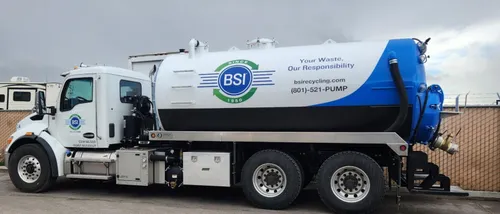
- Scheduled Pickup: A licensed hauler will schedule regular pickups based on your establishment's volume of oil production. They arrive with specially equipped trucks to pump the oil from your container into their transport tank.
- Transportation & Processing: The hauler transports the collected UCO to a certified processing or rendering facility. Here, the oil undergoes filtration to remove any remaining food particles and impurities 3 4.
- Transformation into Biofuel: The clean, processed oil is then sold as a feedstock for biodiesel production. This renewable fuel can power vehicles and equipment, completing the recycling loop and reducing reliance on fossil fuels.
This streamlined process ensures that grease is handled responsibly every step of the way, mitigating environmental risk and contributing to a sustainable local industry.
Find the perfect used cooking oil collection companies for your needs
Get personalized recommendations and expert advice
How Rebates and Pricing Work for Restaurants
One of the significant advantages of professional used cooking oil collection is the potential for cost offset or revenue. Many haulers offer rebate programs that turn your waste into an asset. These rebates are typically not fixed fees but are calculated based on two main factors: volume and quality.
Pricing structures are generally volume-tiered. Establishments generating under 100 gallons per month often benefit from free pickup services, though they may not receive a monetary rebate. As volume increases, so does the potential payout. For restaurants producing between 100 and 300 gallons monthly, rebates can range from $0.10 to $0.25 per gallon. High-volume producers who generate over 300 gallons per month can see rebates from $0.25 to $0.65 or more per gallon 5 6 7.
The critical link between quality and value cannot be overstated. Oil that is kept clean, free from water, and properly stored commands a higher price on the commodities market. Therefore, the rebate a restaurant receives is a direct reflection of its storage diligence. By implementing best practices, a kitchen manager can directly improve their bottom-line return from UCO recycling.
Environmental and Community Benefits in Davis County
Recycling used cooking oil extends benefits far beyond the kitchen door. When UCO is collected for biodiesel, it prevents it from entering landfills or, worse, the sewer system. Pouring grease down drains is a leading cause of sewer blockages, which can lead to expensive repairs for both property owners and municipal systems 8. By using a collection service, Layton businesses help maintain community infrastructure.
Furthermore, converting UCO into biodiesel creates a domestic, renewable energy source. Biodiesel burns cleaner than petroleum diesel, reducing greenhouse gas emissions and air pollutants. This supports broader environmental quality initiatives in Utah and contributes to the state's Used Oil Recycling Program goals 9. Every gallon of used oil collected in Layton represents a positive step toward local sustainability and energy independence, turning a routine waste management task into a community-wide environmental contribution.
Choosing a Service Provider in Layton
Selecting the right used cooking oil collection partner is essential for compliance, efficiency, and value. Look for a provider that is transparent about its state licensing and adherence to Utah Department of Environmental Quality regulations. A reliable hauler will offer sturdy, locked containers and flexible pickup schedules tailored to your kitchen's output.
Ask potential providers detailed questions about their rebate structure. Understand how they measure volume, how often rebates are paid, and what specific quality standards they use to determine the price per gallon. Inquire about their processing partners to ensure your oil is truly being recycled into biodiesel. Finally, choose a company with a strong local reputation for reliable service and clear communication, ensuring a smooth, long-term partnership for your grease recycling needs.
Frequently asked questions
Sources
Footnotes
-
Cooking Oil Collection & Grease Recycling Service - https://thegreasecompany.com/oilcollection.html ↩
-
Used Cooking Oil Recycling Utah | Beck's Sanitation - https://www.bsirecycling.com/utah-cooking-oil-recycling ↩
-
Used Cooking Oil (UCO) Collection Service For Restaurants - https://thegreasecompany.com/blog/restaurant-used-cooking-oil-collection/ ↩
-
Used Cooking Oil Regulations for Food Service Businesses - https://bakercommodities.com/blog/2024/02/08/legal-requirement-used-cooking-grease/ ↩
-
Used Cooking Oil Disposal: Complete Guide to Grease Pickups - https://greaseconnections.com/used-cooking-oil-disposal-guide-grease-pickups/ ↩
-
Restaurant Used Cooking Oil Recycling & Disposal Guide - https://greaseconnections.com/restaurant-used-cooking-oil-disposal-recycling-revenue-guide/ ↩
-
Environmental Quality Fee Summary - Utah Department of ... - https://deq.utah.gov/sbeap/fee-summary ↩
-
Green Tips: Don't send used cooking oil down the drain - Park Record - https://www.parkrecord.com/2024/10/30/green-tips-dont-send-used-cooking-oil-down-the-drain/ ↩
-
Used Oil Recycling Program - https://deq.utah.gov/waste-management-and-radiation-control/used-oil-recycling-program ↩