Find the Best Used Cooking Oil Collection Companies for Your Business
No obligation • Fast responses • Nationwide coverage

Why you can trust Restaurant Waste Disposal
Restaurant Waste Disposal is a leading U.S. resource for comparing restaurant composting, food-waste recycling, grease trap cleaning, and used cooking oil collection services. Our editorial team researches providers, checks credentials, and organizes unbiased information so operators can make informed decisions. Companies cannot pay to change ratings or placement.
Search providers near you
Top Used Cooking Oil Collection Companies in Draper, Utah Ranked
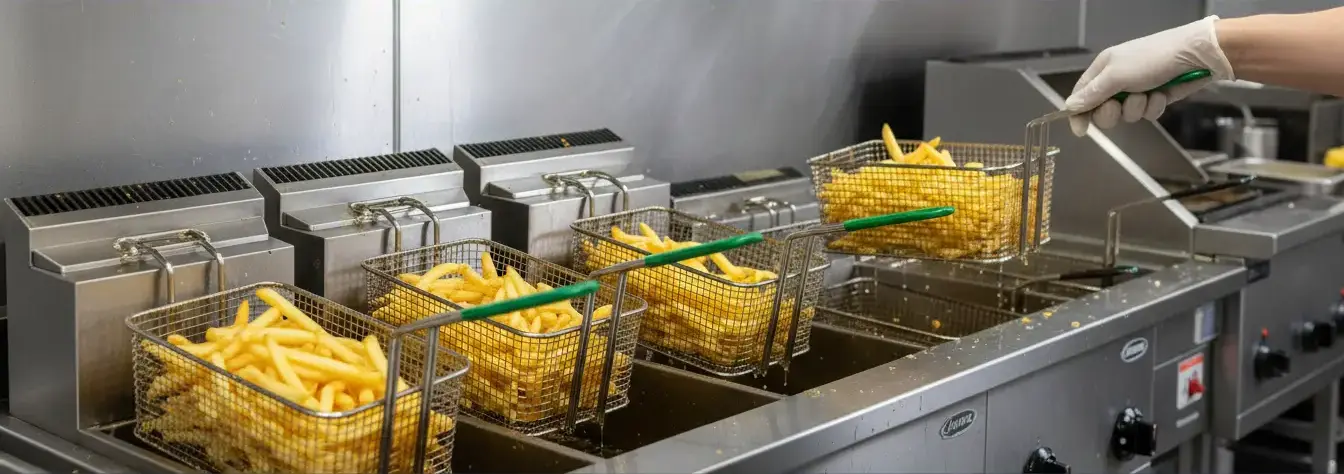
For restaurants and food service businesses in Draper, managing used cooking oil (UCO) is a critical operational and environmental responsibility. Proper grease recycling is not just about disposal; it's a key component of sustainable business practices that can prevent costly plumbing issues, ensure regulatory compliance, and even generate potential revenue. By partnering with a reliable collection service, Draper establishments can transform a waste product into valuable resources like biodiesel, contributing to a cleaner local environment in the Salt Lake Valley. This guide outlines the essential steps, best practices, and local considerations for effective used oil management.
Why Proper Grease Disposal Matters in Draper
Improper disposal of used fryer oil is a significant concern for municipal infrastructure and the local ecosystem. Pouring oil down drains is a leading cause of sewer line blockages and can contribute to problems at the Jordan Valley Water Reclamation Facility. It can also lead to severe environmental contamination if it enters storm drains, which flow directly into local waterways like the Jordan River without treatment 1 2. Beyond the environmental impact, illegal dumping can result in substantial fines from the Utah Department of Environmental Quality (DEQ). Conversely, a structured recycling program turns liability into an asset, supporting the circular economy and often coming at little to no cost for the business.
Step-by-Step: The Grease Collection Process
Understanding the workflow for oil recycling helps streamline operations in your kitchen.
1. Safe Cooling and Initial Handling After use, allow the cooking oil to cool to a safe temperature (typically below 120°F) before transferring it. This prevents burns and avoids damaging plastic storage containers. Filtering the oil to remove food particulates before storage is a best practice that maintains oil quality for recyclers.
2. Secure Storage Once cooled, oil should be transferred to a dedicated, sealable container. Most service providers will supply a specialized storage tank or heavy-duty drum. These are typically made of non-reactive materials like stainless steel or certified heavy plastic. Containers must have tight-fitting, lockable lids to prevent spills, odors, pest attraction, and unauthorized tampering or theft 3.
3. Strategic Container Placement The storage container should be placed in a location that is accessible for pickup but secure. Common spots include near the loading dock, a fenced outdoor area, or a well-ventilated storage room. Easy access for collection trucks is crucial for efficient service.
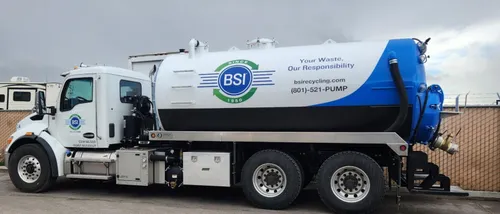
4. Scheduled Pickup and Collection Your service provider will establish a pickup schedule-weekly, bi-weekly, or monthly-based on your volume of oil production. A specialized truck with vacuum or pumping equipment will arrive to empty the container. The process is quick and designed to be clean.
5. Transportation and Recycling The collected oil is transported to a licensed processing facility. There, it undergoes filtration and purification before being converted into new products. The primary end product is biodiesel, a renewable fuel, but it can also be used in animal feed supplements, industrial lubricants, or cosmetics 4 5 6.
6. Documentation for Compliance A reputable provider will supply documentation for each pickup, noting the date and quantity collected. This paper trail is essential for demonstrating compliance with Utah DEQ used oil rules during inspections.
Best Practices for On-Site Oil Management
Adopting these operational habits will ensure a safe, efficient, and compliant grease recycling system.
- Never Use Drains or Sewers: This is the cardinal rule. Used cooking oil should never be poured down any drain, toilet, or sink, even with hot water and detergent.
- Avoid Improper Outdoor Disposal: Do not pour oil onto the ground, even for dust suppression, as it contaminates soil and groundwater.
- Maintain Container Integrity: Regularly inspect your storage drum or tank for cracks, leaks, or damaged seals. Report any issues to your service provider immediately.
- Separate Waste Streams: Keep used cooking oil separate from other liquid wastes, such as grease interceptor waste, solvents, or chemicals. Contamination can render the entire batch unrecyclable.
- Coordinate with Grease Trap Service: Used cooking oil collection is one part of a comprehensive grease management plan. It works in tandem with, but does not replace, the regular pumping and cleaning of your kitchen's grease trap or interceptor.
Find the perfect used cooking oil collection companies for your needs
Get personalized recommendations and expert advice
Understanding Costs and Potential Revenue
A common question from restaurant managers is about the financial aspect of oil collection. The model is typically designed to benefit the generator.
- Free Pickup Services: Many providers offer free pickup for restaurants, especially when generating consistent volumes. The recycler's revenue comes from selling the processed oil to biodiesel refiners, making the service free for you.
- Rebate Programs: For establishments with high oil output, rebate programs may be available. The recycler shares a portion of their revenue from the oil, providing a small per-gallon rebate to your business. Rates can vary based on market prices for biodiesel feedstocks 7.
- Cost Avoidance: The most significant financial benefit is avoiding the alternative costs: expensive emergency plumbing services for clogged lines, fines for regulatory violations, and potential environmental cleanup fees.
Local Service Providers in the Draper Area
Several established companies service the Draper area, offering reliable used cooking oil collection. It's advisable to contact providers directly for specific service terms, container options, and scheduling.
- Beck's Sanitation: A local Utah company that specializes in recycling services for businesses, including used cooking oil collection. They provide containers and scheduled pickups 8.
- Grease Connections / The Grease Company: These providers offer comprehensive used cooking oil collection services and emphasize guidance on best practices and compliance for restaurants 9.
When selecting a provider, confirm they are licensed to transport and recycle used oil in Utah and can provide the necessary documentation for your records.
Compliance with Utah DEQ Regulations
Utah state regulations classify used cooking oil from restaurants as a "recyclable material" rather than hazardous waste when managed properly. Key compliance points include:
- Storage: Oil must be stored in containers or tanks that are in good condition, clearly labeled, and protected from leaks.
- Spill Prevention: Have a plan to contain spills. Keep containers in a secondary containment area if possible, especially if stored outdoors.
- Record Keeping: Maintain logs of oil collection dates and amounts. Your service provider's invoices or manifests typically serve this purpose.
- Transportation: Ensure your collector is a licensed used oil transporter. Never allow unlicensed individuals to pick up your oil, as you could be held liable for improper disposal downstream 10.
Frequently asked questions
Sources
Footnotes
-
Used Cooking Oil Disposal: Complete Guide to Grease Pickups - https://greaseconnections.com/used-cooking-oil-disposal-guide-grease-pickups/ ↩
-
Used Oil Compliance - Utah Department of Environmental Quality - https://deq.utah.gov/waste-management-and-radiation-control/inspections-enforcement-and-prohibited-practices-used-oil-program ↩
-
The Ultimate Guide to Restaurant Oil Disposal & Waste ... - https://kernuco.com/post/restaurant-oil-disposal ↩
-
Used Cooking Oil Pickup vs Drop-Off - GreasePros Recycling - https://www.greaseprosrecycling.com/used-cooking-oil-pickup-vs-drop-off/ ↩
-
Restaurant Oil Disposal: Explained - Eazy Grease - https://eazygrease.com/how-do-restaurants-get-rid-of-their-oil/ ↩
-
What Happens To The Used Cooking Oil Once It Leaves Your ... - https://www.grandnatural.com/blog/what-happens-to-the-used-cooking-oil-once-it-leaves-your-restaurant.html ↩
-
Restaurant Used Cooking Oil Recycling & Disposal Guide - https://greaseconnections.com/restaurant-used-cooking-oil-disposal-recycling-revenue-guide/ ↩
-
Used Cooking Oil Recycling Utah | Beck's Sanitation - https://www.bsirecycling.com/utah-cooking-oil-recycling ↩
-
Used Cooking Oil (UCO) Collection Service For Restaurants - https://thegreasecompany.com/blog/restaurant-used-cooking-oil-collection/ ↩
-
Used Oil Rules - Utah Department of Environmental Quality - https://deq.utah.gov/waste-management-and-radiation-control/used-oil-rules-waste-management-and-radiation-control-laws-and-rules ↩