
Find the Best Used Cooking Oil Collection Companies for Your Business
No obligation • Fast responses • Nationwide coverage

Why you can trust Restaurant Waste Disposal
Restaurant Waste Disposal is a leading U.S. resource for comparing restaurant composting, food-waste recycling, grease trap cleaning, and used cooking oil collection services. Our editorial team researches providers, checks credentials, and organizes unbiased information so operators can make informed decisions. Companies cannot pay to change ratings or placement.
Search providers near you
Top Used Cooking Oil Collection Companies in Bountiful, Utah Ranked
For restaurants and food service establishments in Bountiful, managing used cooking oil (UCO) is a critical operational and environmental responsibility. Proper grease collection and recycling not only ensure compliance with strict Utah state regulations but also transform a waste product into a valuable resource for biodiesel production. By partnering with a licensed hauler, Bountiful businesses can implement a seamless system for oil pickup, often at no cost and with potential for revenue, while contributing to local sustainability efforts and avoiding significant fines for improper disposal.
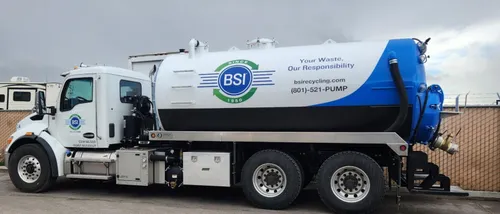
Why Proper Grease Disposal is Non-Negotiable in Utah
Improper disposal of used fryer oil and grease is a serious violation with environmental and legal consequences. The Utah Department of Environmental Quality (DEQ) enforces clear rules to protect municipal sewer systems and local waterways from contamination.
- Illegal to Dump: It is explicitly illegal to pour used cooking oil or grease down drains, into floor drains, or into any sewer system. This practice leads to clogged pipes, costly municipal repairs, and environmental harm.
- Risk of Fines: Non-compliance can result in significant fines from both local and state authorities. Maintaining a regular, documented collection schedule with a licensed provider is the best way to mitigate this risk.
- Environmental Stewardship: Proper recycling ensures the oil is repurposed. When dumped, it can solidify in pipes or pollute soil and water. Recycling it into biodiesel creates a cleaner-burning fuel alternative, turning a liability into a community benefit.
How Used Cooking Oil Collection Services Work
Establishing a used cooking oil recycling program in Bountiful is a straightforward process designed for convenience and compliance. Licensed haulers manage the entire chain of custody from your kitchen to the recycling facility.
- Storage Setup: Your chosen collection company will provide secure, spill-proof storage containers (often called grease bins or barrels). These are typically placed in a convenient outdoor location like a loading dock or dumpster area, though indoor options exist. The bins are clearly labeled and designed to prevent leaks and odors 1.
- On-Site Filtration: To maximize the value and quality of the oil, kitchen staff should filter out large food particles before transferring the cooled oil into the collection bin. Cleaner oil often qualifies for higher rebates 2.
- Scheduled Pickup: Based on your volume, the hauler establishes a regular pickup schedule-weekly, bi-weekly, or monthly. A service technician will collect the full bins and replace them with clean, empty ones.
- Transport & Processing: The collected oil is transported to a processing facility. There, it undergoes settling, filtering, and purification to remove remaining impurities. The end product, known as "yellow grease," is then sold as a feedstock for biodiesel refineries or other products like animal feed and soap.
- Documentation: Reputable providers supply documentation or manifests for each pickup. This paperwork is crucial for your records, proving compliant disposal and is often required for rebate programs.
Understanding Costs and Potential Revenue
A common misconception is that grease pickup is an expensive service. In reality, for most Bountiful restaurants generating consistent volume, used cooking oil collection can be a cost-neutral or even revenue-generating program.
- Free Collection Service: Many providers offer free pickup and container rental if your establishment generates a minimum volume, often around 100 gallons per month or more. The revenue they earn from selling the recycled grease covers their service costs 3.
- Earning Rebates: If your oil is well-maintained and filtered, you may qualify for a rebate program. Payments typically range from $0.10 to $0.65 per gallon, depending on market prices, your monthly volume, and the purity of the oil 4 5. This rebate can directly offset other waste management costs or serve as a small revenue stream.
- Cost Offset Model: Even if a small fee is involved, the rebate earned from the oil often covers it. The primary financial benefit is avoiding the potentially massive fines associated with improper disposal, making professional collection a wise investment 6.
Find the perfect used cooking oil collection companies for your needs
Get personalized recommendations and expert advice
Choosing a Licensed Hauler in Bountiful
Selecting the right partner for your grease trap and used oil needs is essential. You must work with a company properly licensed and registered to haul used cooking grease in the state of Utah to ensure full compliance.
- Verify Licensing: Always ask for proof of state licensing and insurance. A legitimate hauler will readily provide this information.
- Service Offerings: Look for a provider that offers both grease trap cleaning and used cooking oil collection. Coordinating these related services can simplify scheduling and management.
- Container & Schedule Flexibility: Ensure they can provide the right size and number of containers for your space and volume. Their pickup schedule should be reliable and adaptable to your changing needs.
- Transparency on Rebates: Discuss rebate programs upfront. Understand how oil quality is graded and how payments are calculated and delivered.
- Local Providers: Companies like Beck's Sanitation operate in the area and understand local Bountiful and Utah DEQ regulations 7. Other regional providers also service the market, so it's beneficial to compare services.
The Lifecycle of Your Used Cooking Oil
Ever wonder what happens after the grease truck drives away? The journey of your used fryer oil is a great example of a circular economy at work right here in Utah 8.
Once collected, the oil is taken to a processing facility. It is first stored in large tanks to allow water and solids to settle out. It then goes through a series of fine filters and sometimes heat treatment to remove all impurities. The resulting clean, yellow grease is no longer waste but a commodity. The vast majority is purchased by biodiesel producers. Through a chemical process called transesterification, the used cooking oil is converted into biodiesel, a renewable fuel that powers trucks, buses, and heavy equipment with lower emissions than traditional diesel 9. This transformation means the oil from Bountiful's restaurants helps reduce regional reliance on fossil fuels.
Best Practices for On-Site Oil Management
Maximizing the efficiency and value of your oil collection starts in your own kitchen. Following a few simple steps can improve safety, oil quality, and rebate potential.
- Cool Before Transferring: Always allow oil to cool completely before moving it from fryers to storage bins to prevent burns and fires.
- Filter Regularly: Implement a routine of filtering oil daily or between uses to remove food particles. This extends the life of the oil for cooking and increases its value for recycling.
- Keep Lids Secure: Always keep the provided lids on collection bins tightly closed. This prevents rainwater from contaminating the oil (which reduces its value), stops odors, and deters pests.
- Designate a Storage Area: Keep bins on a level, paved surface away from building vents and high-traffic areas. Ensure the location is always accessible for pickup trucks.
- Train Your Staff: Make sure all kitchen staff understand the procedures for handling, filtering, and storing used oil. Clear protocols prevent accidents and contamination.
Frequently asked questions
Sources
Footnotes
-
Cooking Oil Collection & Grease Recycling Service - https://thegreasecompany.com/oilcollection.html ↩
-
Used Cooking Oil (UCO) Collection Service For Restaurants - https://thegreasecompany.com/blog/restaurant-used-cooking-oil-collection/ ↩
-
Grease Collection Service: What is it - Grand Natural Inc - https://www.grandnaturalinc.com/blog/what-is-grease-collection-service.html ↩
-
Restaurant Used Cooking Oil Recycling & Disposal Guide - https://greaseconnections.com/restaurant-used-cooking-oil-disposal-recycling-revenue-guide/ ↩
-
Used Cooking Oil Disposal: Complete Guide to Grease Pickups - https://greaseconnections.com/used-cooking-oil-disposal-guide-grease-pickups/ ↩
-
Used Oil Compliance - Utah Department of Environmental Quality - https://deq.utah.gov/waste-management-and-radiation-control/inspections-enforcement-and-prohibited-practices-used-oil-program ↩
-
Used Cooking Oil Recycling Utah | Beck's Sanitation - https://www.bsirecycling.com/utah-cooking-oil-recycling ↩
-
What Happens To The Used Cooking Oil Once It Leaves Your ... - https://www.grandnatural.com/blog/what-happens-to-the-used-cooking-oil-once-it-leaves-your-restaurant.html ↩
-
Recycling Used Cooking Oil With Green Grease Environmental - https://www.youtube.com/watch?v=KP05Yx-GkHk ↩