Find the Best Used Cooking Oil Collection Companies for Your Business
No obligation • Fast responses • Nationwide coverage

Why you can trust Restaurant Waste Disposal
Restaurant Waste Disposal is a leading U.S. resource for comparing restaurant composting, food-waste recycling, grease trap cleaning, and used cooking oil collection services. Our editorial team researches providers, checks credentials, and organizes unbiased information so operators can make informed decisions. Companies cannot pay to change ratings or placement.
Search providers near you
Top Used Cooking Oil Collection Companies in East Providence, Rhode Island Ranked
For restaurants and commercial kitchens in East Providence, managing used cooking oil (UCO) is more than just a routine cleanup task-it's a regulated environmental responsibility with significant operational implications. Rhode Island state law mandates the recycling of this material, transforming a potential waste stream into a valuable resource for biodiesel production. Navigating this process effectively requires understanding local regulations, securing proper storage, and partnering with a reliable collection service. This guide outlines the essential steps for compliant and efficient UCO management, helping local food service establishments protect their plumbing, avoid fines, and contribute to a cleaner community.
Understanding Rhode Island's Used Cooking Oil Regulations
In East Providence, the disposal of used fryer oil is governed by both state law and local sewer use ordinances. The cornerstone of this regulatory framework is Rhode Island General Law Chapter 23-18.17, which establishes a statewide ban on the disposal of used cooking oil from commercial generators by any means other than recycling1. This means it is illegal for restaurants, cafeterias, or any food service establishment to pour used oil down drains, into dumpsters, or onto the ground.
The primary driver behind this law is FOG-Fats, Oils, and Grease. When FOG enters the sewer system, it cools and solidifies, creating massive blockages that can lead to costly and unsanitary sewer overflows into streets and local waterways like the Seekonk River2. East Providence and neighboring Providence have robust FOG control programs that require commercial kitchens to implement best management practices. These include using drain screens, pre-wiping dishes before washing, and maintaining properly sized and serviced grease traps3 2. Proper UCO collection is a critical component of this broader FOG prevention strategy.
The Step-by-Step Process for Oil Collection and Recycling
A well-managed UCO program follows a clear chain of custody from your kitchen to its new life as renewable fuel.
1. Secure On-Site Storage The first step is containing the oil after use. Once cooled, UCO should be transferred from fryers into dedicated, leak-proof storage containers. Most professional collection services provide these containers, which are typically lockable, durable tanks made of steel or heavy-duty plastic. The locking mechanism serves two vital purposes: it prevents theft of the oil, which has become a valuable commodity, and it safeguards against contamination from rainwater or debris, which can degrade the oil's quality for recycling 4.
2. Scheduled Professional Collection When your storage container is full, your licensed hauler will perform a pump-out. This is usually done on a regular schedule (e.g., weekly, bi-weekly) or on an as-needed call. The collector uses a specialized vacuum truck to safely and completely remove the oil from your tank5. It's crucial to work with a licensed and insured hauler who can provide proper documentation, known as a manifest, which details the quantity of oil collected. This paperwork is your proof of compliant disposal for regulatory purposes.
3. Transportation and Transformation The collected oil is transported to a processing facility. In Rhode Island, companies like Newport BioDiesel not only collect oil but also process it locally. At the facility, the oil undergoes a refining process called transesterification, where it is converted into biodiesel-a clean-burning alternative to petroleum diesel6. This closed-loop system ensures that the oil from Rhode Island kitchens helps power vehicles and equipment with a lower carbon footprint.
Evaluating Costs and Potential Value
The financial model for UCO collection is not one-size-fits-all; it primarily depends on the volume and quality of oil your establishment generates.
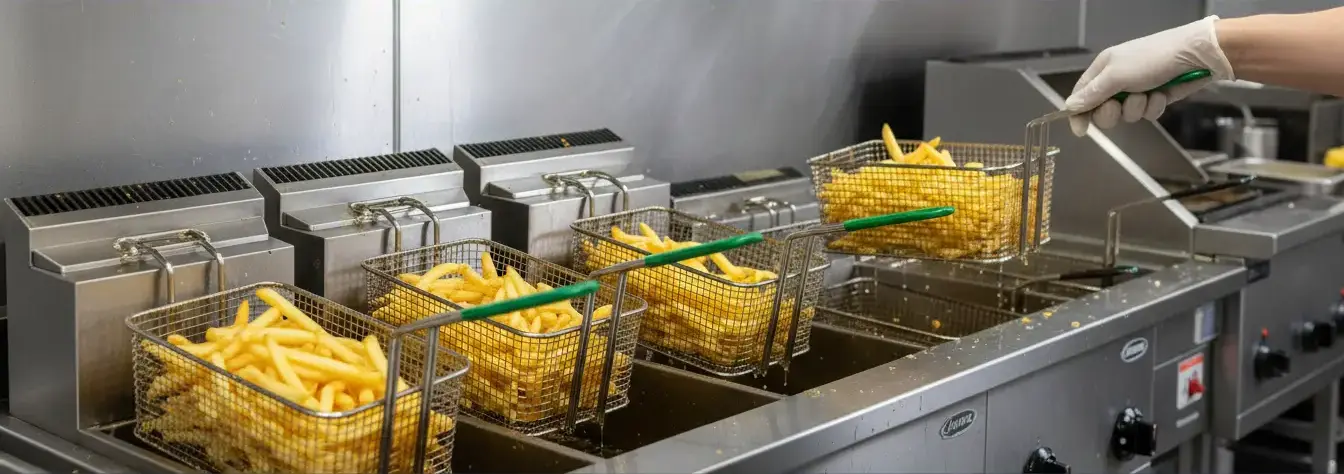
- Volume-Based Pricing: High-volume producers, such as large restaurants or institutional kitchens, often have more leverage. Many haulers offer free collection services for consistent, sizable quantities of good-quality "yellow grease" (oil used for frying foods like french fries and chicken). They may even provide the storage tank at no cost, as their revenue comes from selling the bulk oil to processors7.
- Rebates and Revenue: For oil that is well-maintained-free from excessive food particles and water-some services may offer a rebate. These payments can range from a few cents to over fifty cents per gallon, effectively turning a waste product into a minor revenue stream or, at minimum, offsetting the cost of the service8.
- Service Fees: Lower-volume generators or those with heavily contaminated oil might incur a pickup fee. However, this cost is almost always far less than the potential fines for illegal disposal or the plumbing bills associated with drain and sewer blockages caused by improper oil management. Viewing UCO collection as an essential utility cost, similar to grease trap servicing, is a prudent perspective.
Find the perfect used cooking oil collection companies for your needs
Get personalized recommendations and expert advice
Choosing a Local Collection Service Provider
Selecting the right partner is key to a hassle-free UCO recycling program. Look for a provider with a strong local presence and a reputation for reliability. Key services to inquire about include:
- Provision of Equipment: Will they supply a locked, appropriately sized storage container?
- Collection Schedule: Is pickup regular and reliable? Do they offer flexible scheduling?
- Documentation: Do they supply detailed manifests for your records?
- Additional Services: Many companies, such as Mahoney Environmental and Grand Natural Inc., offer complementary services like grease trap cleaning, which can streamline your overall kitchen maintenance.
Local and regional providers serving East Providence include Newport BioDiesel, which operates its own processing plant in the state; Mahoney Environmental and Grand Natural Inc., which offer comprehensive waste oil and grease trap services throughout New England; and national firms like Baker Commodities that have local operations9 10. When evaluating providers, ask for references from other local restaurants and confirm their licensing complies with Rhode Island Department of Environmental Management regulations.
Best Practices for Restaurant Kitchen Management
Beyond just setting up a collection service, kitchen staff training and daily practices determine the success of your UCO program.
- Quality Control: Strain oil after each use to remove food particles. Never mix used fryer oil with water, soap, or other liquids, as this contaminates the batch and reduces its recycling value.
- Safe Handling: Always allow oil to cool completely before transferring it to storage containers to prevent burns and fire hazards.
- Tank Maintenance: Keep the area around your outdoor storage tank clear and accessible for the collection driver. Report any leaks or damage to the container immediately.
- Record Keeping: Maintain a log or file all collection manifests. This proves due diligence and is invaluable in the event of a regulatory inspection.
By integrating these practices, East Providence food service businesses not only comply with the law but also actively participate in the circular economy, supporting local green energy production and protecting the city's infrastructure.
Frequently asked questions
Sources
Footnotes
-
Rhode Island General Laws Title 23. Health and Safety § 23-18.17-1 - https://codes.findlaw.com/ri/title-23-health-and-safety/ri-gen-laws-sect-23-18-17-1/ ↩
-
City of Providence Fats, Oil, and Grease - https://www.providenceri.gov/public-works/fats-oil-grease/ ↩ ↩2
-
City of East Providence - https://eastprovidenceri.qscend.com/filestorage/9177/9461/9463/10058/Tri-fold_2021_recycle_white_Brochure_2nd_version_-final.pdf ↩
-
Used Cooking Oil (UCO) Collection Service For Restaurants - https://thegreasecompany.com/blog/restaurant-used-cooking-oil-collection/ ↩
-
Used Cooking Oil Pickup vs Drop-Off-What's Best for Restaurants? - https://www.greaseprosrecycling.com/used-cooking-oil-pickup-vs-drop-off/ ↩
-
How Is Used Cooking Oil Recycled? What You Should Know - https://www.thegreasetrapcleaners.com/blog/how-is-used-cooking-oil-recycled-what-you-should-know ↩
-
Used Cooking Oil Collection Providence - https://www.grandnaturalinc.com/locations/used-cooking-oil-recycling-in-providence.html ↩
-
Restaurant Used Cooking Oil Recycling & Disposal Guide - https://greaseconnections.com/restaurant-used-cooking-oil-disposal-recycling-revenue-guide/ ↩
-
Used Cooking Oil Pick Up & Recycling Service in New England - https://www.mahoneyes.com/waste-oil-pickup-recycling-new-england/ ↩
-
Where to recycle used cooking oil - The Providence Journal - https://www.providencejournal.com/story/entertainment/house-home/2016/04/16/trash-tutorial-ri-sites-for-recycling-used-cooking-oil/31785495007/ ↩