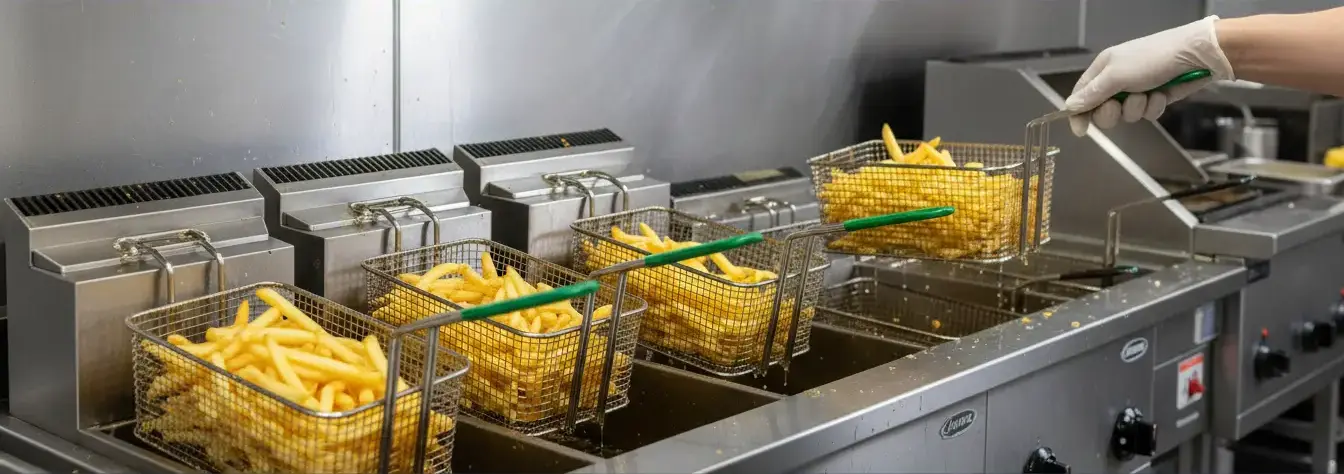
Find the Best Used Cooking Oil Collection Companies for Your Business
No obligation • Fast responses • Nationwide coverage

Why you can trust Restaurant Waste Disposal
Restaurant Waste Disposal is a leading U.S. resource for comparing restaurant composting, food-waste recycling, grease trap cleaning, and used cooking oil collection services. Our editorial team researches providers, checks credentials, and organizes unbiased information so operators can make informed decisions. Companies cannot pay to change ratings or placement.
Search providers near you
Top Used Cooking Oil Collection Companies in Nashua, New Hampshire Ranked
For restaurants and food service establishments in Nashua, managing used cooking oil (UCO) is a critical operational task that intersects with environmental responsibility, regulatory compliance, and potential financial benefit. Properly handling waste oil and grease is not just about cleanliness; it's a regulated process designed to protect the city's sewer infrastructure and local waterways from harmful blockages and pollution. By partnering with a professional collection service, Nashua businesses can ensure their UCO is safely transported and transformed into valuable resources like biodiesel, turning a waste product into a component of the circular economy. This guide outlines the essential steps for compliance, collection, and recycling specific to the Gate City.

Lifecycle Renewables Inc
75 Industrial Ave, Tewksbury, MA 01876
Lifecycle Renewables Inc is a used cooking oil collection company based in Lowell, MA. They specialize in collecting used cooking oil from food service businesses, providing clean and respectful removal services. The company is known for its reliable pick-up service and high-quality containers, ensuring efficient oil collection.
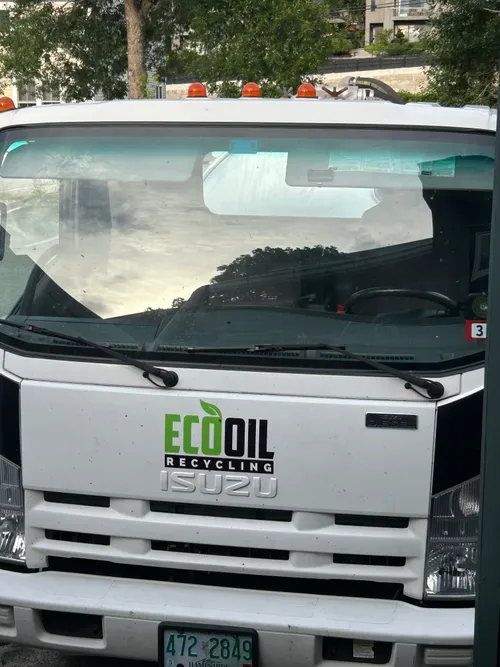
EcoOil Recycling
118 Exeter Rd, South Hampton, NH 03827
EcoOil Recycling is a locally owned company based near Lees Summit, MO, specializing in used cooking oil collection and grease trap cleaning. They operate within a 100-mile radius of their facility, providing licensed and trained professionals who focus on efficient and clean waste removal with minimal disruption. Their eco-friendly recycling process converts used cooking oil into biofuel, significantly reducing carbon emissions. EcoOil Recycling also offers grease trap cleaning services in compliance with local regulations and provides free containers with their oil collection service. They distribute Frontline Brand Systems, including Direct-Plumbed, Pump-Station, and Caddy systems for convenient oil storage and transfer.
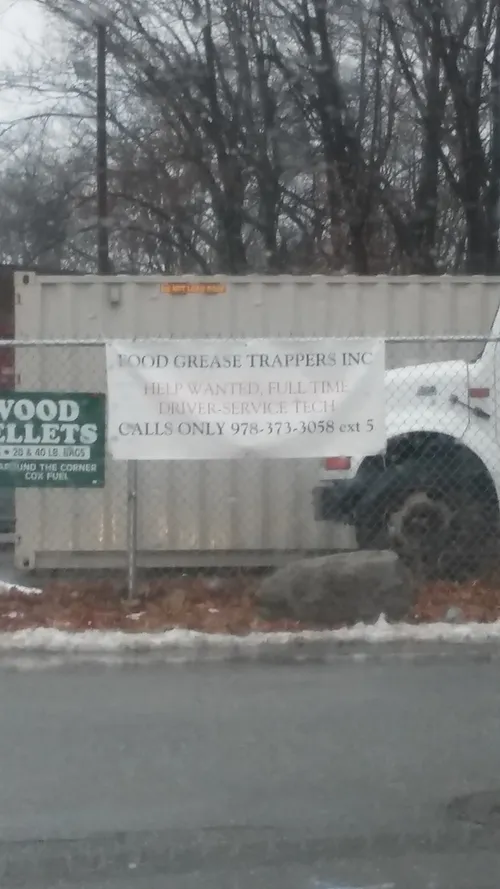
Food Grease Trappers Inc.
111 Quebec St, Lowell, MA 01852
Food Grease Trappers Inc. is a grease trap cleaning and used cooking oil collection company based in Lowell, MA. They serve the food service industry across New England, providing grease trap maintenance and waste vegetable oil collection. The company has over 20 years of experience and focuses on environmentally responsible disposal methods, working with local partners to benefit the community. Food Grease Trappers emphasizes proper scheduling to accommodate clients' reopening plans amid easing restrictions.

biolive oil service
Providence, RI
Biolive Oil Service is a used cooking oil collection company based in Providence, RI. The company specializes in collecting and recycling used cooking oil from various clients in the area. Biolive Oil Service focuses on environmentally responsible disposal and recycling of cooking oil to support sustainable practices in the local community.
Understanding Nashua's Regulations for Waste Oil
Navigating local and state regulations is the first step in establishing a compliant used oil management program. In Nashua, commercial entities are required to store used cooking oil in sturdy, leak-proof containers that are clearly labeled "Used Oil for Recycle." These containers must be kept closed and stored on a nonporous surface, such as concrete, and situated away from floor drains to prevent any accidental spills from entering the municipal sewer system. It is strictly prohibited to pour UCO or grease down drains or to dispose of it with regular solid waste.
The frequency of collection is also guided by practical and regulatory concerns. Solid waste, including grease and oil, must be collected often enough to prevent nuisances like odors and pests. The city code suggests a minimum of twice-weekly service when temperatures exceed 60°F. Finally, transportation of this material off-site must be handled by a New Hampshire-registered hazardous waste transporter, unless you are self-transporting quantities less than 110 gallons, in which case detailed records (bills of lading) must be maintained. 1 2
The Step-by-Step Collection Process
Implementing a smooth, efficient collection routine protects your kitchen and simplifies operations. The process typically follows these steps:
- Collection & Cooling: After cooking, scrape solid food fats and particulates from the oil, allow the oil to cool sufficiently, and then carefully pour it into your designated, labeled storage container. 3
- Secure Storage: Keep your storage drum or tank sealed and in its designated containment area. This prevents spills, deters pests, and maintains oil quality.
- Scheduled Pickup: Your service provider will establish a regular pickup schedule based on your volume-whether weekly, bi-weekly, or monthly. When your container is full, you simply notify them for a collection. 4
- Professional Transport: The hauler will pump the oil from your container into their specialized truck, ensuring a clean and contained transfer.
- Recycling: The collected oil is transported to a processing facility where it is filtered and refined to be reborn as biodiesel, renewable diesel, or other industrial products.
Choosing a Collection Service Provider in Nashua
Several reputable national and regional providers offer used cooking oil collection services in the Nashua area. Companies like Mahoney Environmental and Dennis Food Service provide comprehensive programs that include supplying storage containers, establishing pickup schedules, and handling all logistics. 5 When selecting a provider, consider their reliability, compliance with NH DES regulations, and the end destination for your oil. A reputable hauler will be transparent about how your oil is recycled and will provide documentation for your records, which is crucial for demonstrating regulatory compliance. 6
Financial Considerations: Cost vs. Revenue
The economics of used cooking oil collection are primarily driven by your establishment's monthly output volume and the quality of the oil.
- Low Volume (Less than 40 gallons/month): If you generate a small amount of oil, you will likely pay a service fee for pickup and recycling. These fees can vary but may be in the range of approximately $30 per month.
- Medium Volume (40-100 gallons/month): At this level, many collection services offer free pickup. Some may even provide a small rebate, often in the range of $0.10 to $0.25 per gallon, depending on market conditions. 7
- High Volume (Over 100 gallons/month): Restaurants with high fryer usage can potentially turn UCO into a revenue stream. Payments can range from $0.25 to over $0.65 per gallon, which can offset disposal costs and sometimes generate a modest profit. 8 9 The key is maintaining clean, uncontaminated oil, as quality directly impacts its value for biofuel production.
Find the perfect used cooking oil collection companies for your needs
Get personalized recommendations and expert advice
Environmental and Community Impact
Proper used cooking oil collection is a direct contribution to Nashua's sustainability goals. When oil is recycled into biodiesel, it reduces dependence on fossil fuels and lowers greenhouse gas emissions compared to traditional diesel. 10 Conversely, improper disposal-such as dumping oil down drains-leads to sewer clogs, costly municipal repairs, and environmental contamination. By ensuring your oil is collected for recycling, you are actively preventing infrastructure damage and protecting the Merrimack River and local ecosystems.
Setting Up Your Kitchen for Success
A well-organized kitchen station is vital for safe and efficient oil handling. Designate a specific area for oil storage that is out of high-traffic pathways but easily accessible for both your staff and collection drivers. Ensure the floor surface is impermeable and consider secondary containment, like a spill pallet, for your storage tank or drums. Clear labeling and staff training are equally important; every team member should know the procedure for disposing of cooled oil and understand why it must never go down the sink. This internal diligence prevents accidents and maintains the quality of your oil for recycling.
Beyond Collection: The Recycling Journey
Have you ever wondered what happens to your oil after the truck drives away? The recycling journey is fascinating. At a processing facility, the used oil undergoes several stages: it is first heated and filtered to remove food particles and water. Next, through a chemical process called transesterification, the triglycerides in the oil are converted into fatty acid methyl esters (biodiesel) and glycerin. The resulting biodiesel is a clean-burning fuel that can power trucks, buses, and heavy equipment, completing the loop from your fryer to the fuel tank.
Troubleshooting Common Challenges
Even with a good system, challenges can arise. If you experience odors or pests, evaluate your collection frequency-you may need more frequent pickups, especially in warmer months. 11 If you're concerned about costs, audit your oil usage and shop services; generating more volume or improving oil quality can change the financial model. Always keep lines of communication open with your service provider; they can often suggest operational tweaks to improve efficiency and address any concerns about container maintenance or scheduling.
Frequently asked questions
Sources
Footnotes
-
New Hampshire - Used Oil Regulations - NEWMOA - https://www.newmoa.org/wp-content/uploads/2022/07/NHoil.pdf ↩
-
Summary of Requirements for Management of Used Oil Being ... - https://www.des.nh.gov/sites/g/files/ehbemt341/files/documents/2020-01/uo-used-oil-requirements.pdf ↩
-
Used Cooking Oil Disposal: Complete Guide to Grease Pickups - https://greaseconnections.com/used-cooking-oil-disposal-guide-grease-pickups/ ↩
-
EcoOil Recycling's Used Cooking Oil Collection Process - https://ecooilrecycling.com/used-cooking-oil-collection-process/ ↩
-
Restaurant Used Cooking Oil Collection and Recycling ... - https://www.mahoneyes.com/restaurant-used-cooking-oil-collection-and-recycling-services-in-new-hampshire/ ↩
-
Used Oil | NH Department of Environmental Services - https://www.des.nh.gov/waste/hazardous-waste/generation-and-compliance/used-oil ↩
-
Recycle Used Cooking Oil in Maine & New Hampshire - Dennis Food - https://dennisfoodservice.com/recycle-your-oil/ ↩
-
Restaurant Used Cooking Oil Recycling & Disposal Guide - https://greaseconnections.com/restaurant-used-cooking-oil-disposal-recycling-revenue-guide/ ↩
-
Do you get paid for used cooking oil? : r/cookingoilrecycling - Reddit - https://www.reddit.com/r/cookingoilrecycling/comments/1kvlxl5/do_you_get_paid_for_used_cooking_oil/ ↩
-
How Is Restaurant Grease & Oil Recycled? - NW Biofuel - https://nwbiofuel.com/blog/how-is-restaurant-grease-oil-recycled/ ↩
-
City of Nashua, NH Commercial Collection and Storage - https://ecode360.com/8735261 ↩