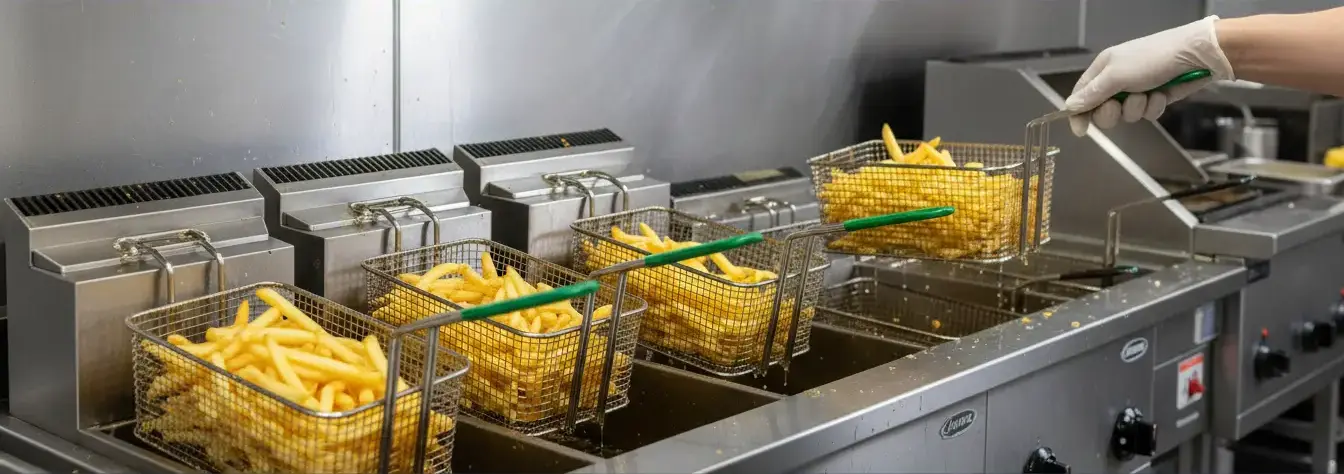
Find the Best Used Cooking Oil Collection Companies for Your Business
No obligation • Fast responses • Nationwide coverage

Why you can trust Restaurant Waste Disposal
Restaurant Waste Disposal is a leading U.S. resource for comparing restaurant composting, food-waste recycling, grease trap cleaning, and used cooking oil collection services. Our editorial team researches providers, checks credentials, and organizes unbiased information so operators can make informed decisions. Companies cannot pay to change ratings or placement.
Search providers near you
Top Used Cooking Oil Collection Companies in Manchester, New Hampshire Ranked
For restaurants and food service establishments in Manchester, managing used cooking oil (UCO) is a critical operational and environmental responsibility. Proper handling of this waste stream is governed by state regulations and is essential for preventing sewer blockages, avoiding fines, and maintaining a safe kitchen environment. By partnering with a licensed collection service, Manchester businesses can transform this potential liability into a resource for renewable fuel production, often at little to no cost and sometimes even generating revenue. This guide outlines the local rules, the collection process, and the practical steps for Manchester restaurants to implement a compliant and beneficial UCO management program.
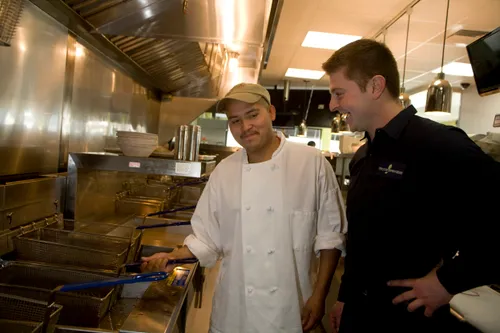
Lifecycle Renewables Inc
75 Industrial Ave, Tewksbury, MA 01876
Lifecycle Renewables Inc is a used cooking oil collection company based in Lowell, MA. They specialize in collecting used cooking oil from food service businesses, providing clean and respectful removal services. The company is known for its reliable pick-up service and high-quality containers, ensuring efficient oil collection.
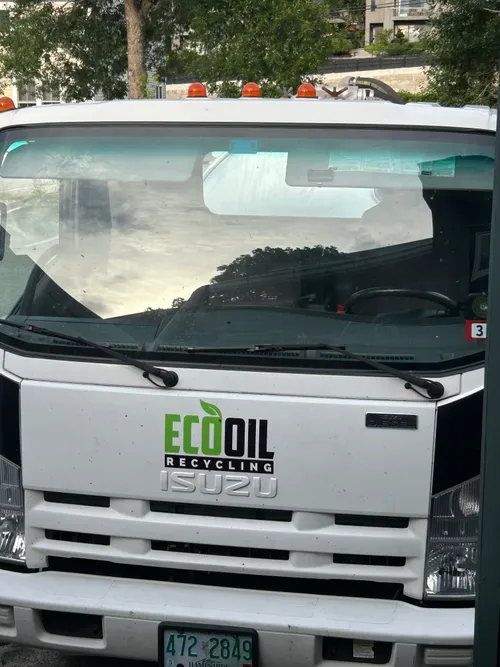
EcoOil Recycling
118 Exeter Rd, South Hampton, NH 03827
EcoOil Recycling is a locally owned company based near Lees Summit, MO, specializing in used cooking oil collection and grease trap cleaning. They operate within a 100-mile radius of their facility, providing licensed and trained professionals who focus on efficient and clean waste removal with minimal disruption. Their eco-friendly recycling process converts used cooking oil into biofuel, significantly reducing carbon emissions. EcoOil Recycling also offers grease trap cleaning services in compliance with local regulations and provides free containers with their oil collection service. They distribute Frontline Brand Systems, including Direct-Plumbed, Pump-Station, and Caddy systems for convenient oil storage and transfer.
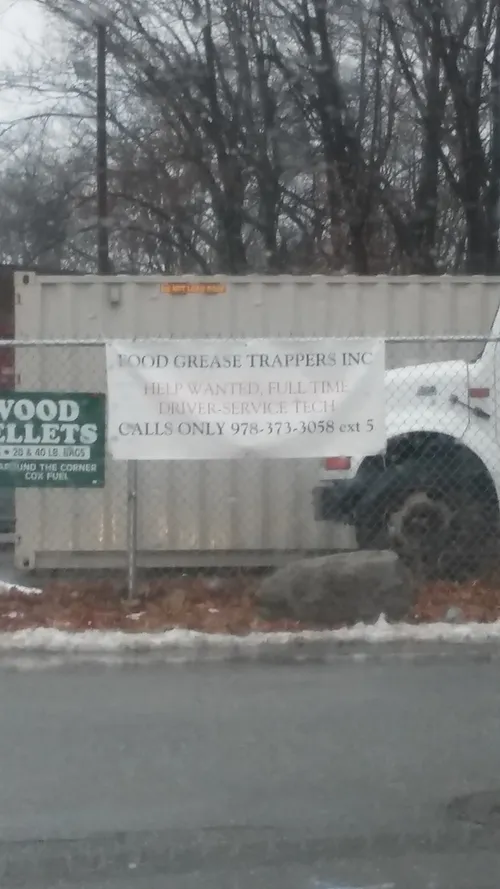
Food Grease Trappers Inc.
111 Quebec St, Lowell, MA 01852
Food Grease Trappers Inc. is a grease trap cleaning and used cooking oil collection company based in Lowell, MA. They serve the food service industry across New England, providing grease trap maintenance and waste vegetable oil collection. The company has over 20 years of experience and focuses on environmentally responsible disposal methods, working with local partners to benefit the community. Food Grease Trappers emphasizes proper scheduling to accommodate clients' reopening plans amid easing restrictions.

biolive oil service
Providence, RI
Biolive Oil Service is a used cooking oil collection company based in Providence, RI. The company specializes in collecting and recycling used cooking oil from various clients in the area. Biolive Oil Service focuses on environmentally responsible disposal and recycling of cooking oil to support sustainable practices in the local community.
Understanding Local and State Regulations
Navigating the regulatory landscape is the first step for any Manchester restaurant managing its waste oil. Compliance ensures you avoid penalties and contribute to the city's infrastructure health.
New Hampshire DES Used Oil Rules The New Hampshire Department of Environmental Services (DES) classifies used cooking oil from restaurants as a "used oil" that must be managed properly from the point of generation to its final recycling destination. These regulations cover safe storage, transportation by licensed haulers, and processing at approved facilities 1. It is illegal to pour used oil down drains or dispose of it in the regular trash, as it is considered a pollutant that can harm the environment and wastewater systems.
Fats, Oils, and Grease (FOG) Management While the City of Manchester provides guidance for residents on disposing of small amounts of household FOG in the trash (when sealed in a container), commercial establishments face much stricter controls 2. Commercial kitchens are significant sources of FOG and are required to install and maintain adequately sized grease traps or interceptors-sometimes as large as 1,000 gallons or more-to prevent these substances from entering the public sewer system 3. A professional used cooking oil collection service is a key component of a comprehensive FOG management plan, working in tandem with proper grease trap maintenance.
The Collection and Recycling Process: From Fryer to Fuel
Partnering with a professional collector streamlines what can be a messy and complex task. Here's how the typical process works for a Manchester restaurant.
Step 1: Secure On-Site Storage The process begins in your kitchen. After oil is used for frying, it should be safely transferred into a dedicated, sealed storage container. Most professional collection companies provide or recommend using sturdy, lockable drums or tanks that are clearly labeled. This secure storage prevents spills, deters theft (as used oil has value on the black market), and keeps out contaminants like water or food scraps, which can lower the oil's recycling value.
Step 2: Scheduled Pickup by Licensed Haulers A licensed service, such as Mahoney Environmental or other regional providers, will establish a regular pickup schedule based on your oil production volume 4. On collection day, a technician will pump the oil from your storage container into a specialized truck. These companies are registered with the NH DES as used oil transporters, ensuring all legal requirements for hazardous materials transport are met 5.
Step 3: Transformation into Renewable Products The collected oil is transported to a processing facility where it is cleaned and refined. The primary end product is biodiesel, a renewable diesel fuel alternative that burns cleaner than petroleum diesel. Increasingly, used cooking oil is also being converted into Sustainable Aviation Fuel (SAF), helping to decarbonize the airline industry 6. This circular economy model turns a kitchen waste product into a valuable resource for clean energy.
Step 4: Receiving Documentation A crucial benefit of using a professional service is the documentation provided. You should receive service reports or manifests that detail the amount of oil collected and its destination. These records are essential for demonstrating regulatory compliance during inspections and for your own environmental reporting.
Cost Structure and Potential Revenue
One of the most common questions from restaurant owners is about the cost. The model is typically designed to be accessible, with the potential for profit at higher volumes.
Understanding the Service Model Collection companies make their revenue by selling the processed oil to biofuel refiners. Therefore, their pricing to restaurants is structured around securing a reliable supply of quality oil.
- For Lower Volume Producers: If your establishment generates less than 40 gallons of used oil per month, you may incur a modest service fee to cover the cost of pickup and transportation. This fee can be around $30 per month but varies by provider.
- For Medium Volume Producers: Once your volume reaches a certain threshold-often between 40 and 300 gallons per month-the value of the oil typically covers the service cost. At this level, service is usually provided for free, as the collector's profit comes from the bulk sale of the oil 7.
- For High Volume Producers: Restaurants, food processors, or institutions that generate over 300 gallons of high-quality, uncontaminated oil per month enter a rebate or payment zone. The cleaner and greater the volume of oil, the higher the price per gallon. Rebates can range from $0.10 to over $0.65 per gallon, effectively turning a waste line item into a source of revenue that can offset other operational costs 8 9.
Find the perfect used cooking oil collection companies for your needs
Get personalized recommendations and expert advice
Key Steps to Implement a UCO Program in Your Manchester Restaurant
Taking control of your used cooking oil management is a straightforward process that pays dividends in compliance, safety, and potentially your bottom line.
- Contact Local Recyclers for Quotes: Start by researching and contacting licensed used oil collection services that operate in the Manchester area. Companies like Mahoney Environmental are examples of providers familiar with New Hampshire regulations. Obtain quotes and service agreements that clearly outline pickup schedules, fees or rebate structures, and the documentation they will provide.
- Invest in Proper Storage Equipment: Work with your chosen provider to ensure you have appropriate, secure storage containers. Locking, durable drums or tanks are a must to prevent unauthorized access and contamination. Proper storage is the foundation of a quality oil stream that can qualify for better rebates 10 11.
- Train Your Kitchen Staff: Educate every team member who handles oil on the correct procedures. This includes safe transfer from fryers to storage containers, keeping contaminants out, and immediately reporting any spills or issues with the storage equipment. Consistent staff training protects your kitchen's safety and the value of your oil 12.
The Environmental and Economic Impact
Proper used cooking oil collection is more than just a regulatory checkbox; it's a meaningful sustainability practice. By recycling UCO, Manchester restaurants directly contribute to the production of renewable fuels that reduce greenhouse gas emissions and dependence on fossil fuels. Economically, it eliminates the cost and liability of improper disposal and can create a new, albeit often small, revenue stream. It's a clear example of an operational practice that benefits both the business and the broader community 13.
Frequently asked questions
Sources
Footnotes
-
Summary of Requirements for Management of Used Oil Being Recycle - https://www.des.nh.gov/sites/g/files/ehbemt341/files/documents/2020-01/uo-used-oil-requirements.pdf ↩
-
How to dispose of or recycle Fats & oils - Manchester, NH - https://www.manchesternh.gov/Departments/Trash-and-Recycling/FAQs#!rc-cpage=110092 ↩
-
Regulations for Grease Traps in New Hampshire Fat, Oil and Grease - https://gsowa.org/wp-content/uploads/2020/01/Gordon_RegulationsGreaseTraps.pdf ↩
-
Used Cooking Oil (UCO) Collection Service For Restaurants - https://thegreasecompany.com/blog/restaurant-used-cooking-oil-collection/ ↩
-
Used Oil | NH Department of Environmental Services - https://www.des.nh.gov/waste/hazardous-waste/generation-and-compliance/used-oil ↩
-
Recycling Used Cooking Oil With Green Grease Environmental - https://www.youtube.com/watch?v=KP05Yx-GkHk ↩
-
Do you get paid for used cooking oil? : r/cookingoilrecycling - Reddit - https://www.reddit.com/r/cookingoilrecycling/comments/1kvlxl5/do_you_get_paid_for_used_cooking_oil/ ↩
-
Restaurant Used Cooking Oil Recycling & Disposal Guide - https://greaseconnections.com/restaurant-used-cooking-oil-disposal-recycling-revenue-guide/ ↩
-
Used Cooking Oil Pricing & Business Guide - Grease Connections - https://greaseconnections.com/used-cooking-oil-pricing-guide/ ↩
-
Restaurant Oil Disposal: Explained - Eazy Grease - https://eazygrease.com/how-do-restaurants-get-rid-of-their-oil/ ↩
-
"Free" Used Oil Pickup? Avoid the $3,200 Trap - https://greaseconnections.com/free-used-oil-pickup-cost-trap/ ↩
-
Used Cooking Oil Pickup vs Drop-Off - GreasePros Recycling - https://www.greaseprosrecycling.com/used-cooking-oil-pickup-vs-drop-off/ ↩
-
Restaurant Used Cooking Oil Collection and Recycling ... - https://www.mahoneyes.com/restaurant-used-cooking-oil-collection-and-recycling-services-in-new-hampshire/ ↩