
Find the Best Used Cooking Oil Collection Companies for Your Business
No obligation • Fast responses • Nationwide coverage

Why you can trust Restaurant Waste Disposal
Restaurant Waste Disposal is a leading U.S. resource for comparing restaurant composting, food-waste recycling, grease trap cleaning, and used cooking oil collection services. Our editorial team researches providers, checks credentials, and organizes unbiased information so operators can make informed decisions. Companies cannot pay to change ratings or placement.
Search providers near you
Best Used Cooking Oil Collection Companies in Idaho Ranked
For Idaho restaurants, managing used cooking oil (UCO) is more than just a kitchen cleanup task-it's a regulated process with significant environmental and financial implications. Proper collection and recycling turn a potential waste liability into a valuable commodity, often used for biodiesel production. Navigating Idaho's specific rules for storage, handling, and transportation is essential for compliance and operational efficiency. Partnering with a reliable collection service can streamline this process, potentially turning costs into rebates while ensuring your business meets all state environmental standards.
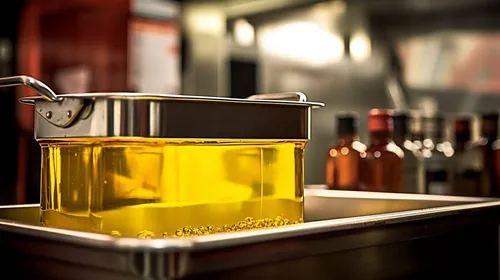
Understanding Idaho's Used Oil Regulations
In Idaho, used cooking oil is classified as "used oil" and falls under the regulatory oversight of the Idaho Department of Environmental Quality (DEQ) 1. These rules are designed to prevent environmental contamination and promote recycling. As a generator (the business that produces the waste oil), your restaurant has specific responsibilities. Key among these is ensuring that used oil does not mix with hazardous wastes or other substances, as this can complicate recycling and increase disposal costs 1 2.
The core principle is that used oil must be managed for recycling, not disposal. Illegal practices such as using oil for dust control on roads, for weed suppression, or dumping it into sewers, drains, or onto the ground are strictly prohibited. Adherence to these rules not only protects Idaho's environment but also shields your business from potential fines and legal liability.
Proper Storage and Handling for Compliance
Safe and compliant storage is the first critical step in a successful used cooking oil management program. The DEQ mandates several key requirements to prevent leaks and spills 3:
- Containers: Store oil in containers that are in good condition-free of leaks, rust, or structural damage. They must be clearly labeled with words like "USED OIL" to avoid confusion.
- Secondary Containment: Containers must be placed within a secondary containment system, such as a berm or dike. This system must be able to hold at least 10% of the total volume of the containers or the volume of the largest container, whichever is greater. This precaution contains any potential spills or leaks.
- Storage Surface: All containers must be stored on an oil-impervious surface, such as sealed concrete, to prevent any absorbed oil from contaminating the soil underneath.
Training your kitchen staff on proper transfer procedures from fryers to storage containers is equally important. Implementing simple best practices minimizes spills, reduces slip hazards, and ensures the oil remains clean and highly recyclable, which can affect the rebate value you receive.
The Economics of Oil Collection: Costs and Rebates
The financial model for used cooking oil collection in Idaho is typically volume-based and can range from a service fee to a potential revenue stream. Many collection services structure their pricing around the weekly or monthly volume your restaurant generates.
- Low Volume (e.g., 10-20 gallons/week): Services may charge a monthly fee, often in the range of $60 to $120, though some providers may offer free pickup if the volume is consistent, offsetting their cost with the value of the oil 4 5.
- Medium to High Volume (e.g., 30+ gallons/week): As volume increases, the dynamics often shift. Many services will provide collection at minimal or no charge and may even offer a rebate or payment for the oil, as its value as a feedstock for biodiesel increases. For large-volume generators (75+ gallons per week), rebates can sometimes significantly offset or eliminate service fees.
It's crucial to discuss pricing structures transparently with potential providers. Some may offer free pickup up to a certain threshold, then apply charges, while others may pay a rebate from the first gallon. The market value of the oil fluctuates, so terms can vary.
Find the perfect used cooking oil collection companies for your needs
Get personalized recommendations and expert advice
Choosing a Collection Service Provider in Idaho
Selecting the right partner is key to a hassle-free and compliant program. Look for a licensed, insured, and reputable service that understands Idaho's DEQ and U.S. Department of Transportation (USDOT) regulations for transporting used oil 6. A good provider will handle all the logistics, from supplying appropriate collection containers to managing the transportation paperwork.
Several companies operate within Idaho. For example, Beck's Sanitation offers used cooking oil recycling and grease trap services in areas including Boise, Meridian, Nampa, Idaho Falls, and Pocatello 7. Other regional providers, such as Grease Pros Recycling or The Grease Company, also serve the market 8. When evaluating providers, consider their service area, reliability, container maintenance, and the clarity of their rebate or fee structure.
Steps to Implement a Recycling Program
Starting or optimizing a used cooking oil recycling program at your Idaho restaurant involves a few clear steps:
- Assess Your Volume: Track how much oil you use and discard weekly to understand your generation rate. This information is vital when speaking with service providers.
- Select a Licensed Recycler: Partner with a reputable collection service that complies with Idaho DEQ and USDOT rules. Ensure they provide proper, labeled containers and explain their service schedule.
- Train Your Staff: Educate kitchen employees on safe handling procedures, proper transfer to storage containers, and spill response protocols. Clear training ensures compliance and safety 9.
- Maintain Your Area: Regularly inspect storage containers and the secondary containment area for leaks or damage. Keep the area clean and accessible for collection drivers.
- Review Documentation: Keep records of your service agreements, pickup manifests, and any rebate invoices. This documentation demonstrates your compliance with state regulations.
By following these steps, you transform used cooking oil from a waste product into a responsibly managed resource, contributing to Idaho's recycling goals and potentially benefiting your bottom line.
Environmental Benefits and the Biodiesel Connection
Recycling used cooking oil is a powerful example of a circular economy. Instead of treating it as waste, collectors clean and process the oil to become a valuable feedstock, primarily for the production of biodiesel-a cleaner-burning, renewable alternative to petroleum diesel. This process reduces reliance on fossil fuels, lowers greenhouse gas emissions, and gives a second life to a material that would otherwise require energy-intensive disposal.
For an Idaho restaurant, participating in this cycle is a tangible sustainability achievement. It demonstrates environmental stewardship to your community and customers, aligning with growing consumer preference for businesses with responsible operational practices. Every gallon collected is a gallon that won't pollute soil or water and is instead converted into usable energy.
Frequently asked questions
Sources
Footnotes
-
Used Oil - Idaho Department of Environmental Quality - https://www.deq.idaho.gov/waste-management-and-remediation/hazardous-waste-in-idaho/used-oil/ ↩ ↩2
-
Managing Used Oil: Answers to Frequent Questions for Businesses | US EPA - https://www.epa.gov/hw/managing-used-oil-answers-frequent-questions-businesses ↩
-
Used Oil Generators - Idaho Department of Environmental Quality - https://www2.deq.idaho.gov/admin/LEIA/api/document/download/3276 ↩
-
Used Cooking Oil Pickup vs Drop-Off-What's Best for Restaurants? - https://www.greaseprosrecycling.com/used-cooking-oil-pickup-vs-drop-off/ ↩
-
Restaurant Used Cooking Oil Recycling & Disposal Guide - https://greaseconnections.com/restaurant-used-cooking-oil-disposal-recycling-revenue-guide/ ↩
-
Transporters of Used Oil - Idaho.gov - https://www2.deq.idaho.gov/admin/LEIA/api/document/download/3287 ↩
-
Cooking Oil Disposal Idaho | Beck's Sanitation Services - https://www.bsirecycling.com/idaho-cooking-oil-recycling ↩
-
Used Cooking Oil (UCO) Collection Service For Restaurants - https://thegreasecompany.com/blog/restaurant-used-cooking-oil-collection/ ↩
-
How to Implement a Used Cooking Oil Recycling Program - https://www.fcs-inc.org/implement-a-used-cooking-oil-recycling-program/ ↩