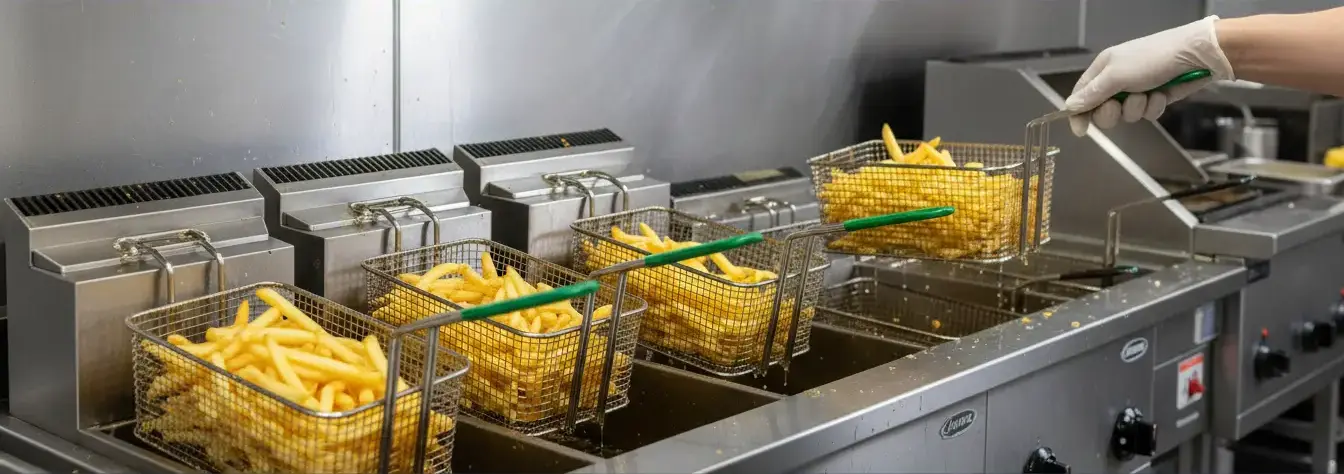
Find the Best Used Cooking Oil Collection Companies for Your Business
No obligation • Fast responses • Nationwide coverage

Why you can trust Restaurant Waste Disposal
Restaurant Waste Disposal is a leading U.S. resource for comparing restaurant composting, food-waste recycling, grease trap cleaning, and used cooking oil collection services. Our editorial team researches providers, checks credentials, and organizes unbiased information so operators can make informed decisions. Companies cannot pay to change ratings or placement.
Search providers near you
Top Used Cooking Oil Collection Companies in West Des Moines, Iowa Ranked
For restaurants in West Des Moines, managing used cooking oil (UCO) is more than just a routine kitchen task-it's a critical component of operational efficiency, environmental responsibility, and regulatory compliance. Properly handling your waste oil through a professional collection service transforms a messy liability into a valuable resource, often generating revenue while ensuring your establishment adheres to local ordinances. Partnering with a licensed recycler provides a seamless system, from secure on-site storage to scheduled pickups, all while contributing to the production of biodiesel and other renewable products. This guide outlines the essential steps, benefits, and compliance considerations for establishing a successful waste oil management program in the Des Moines metro area.
Understanding Local FOG Regulations
The most important starting point for any food service establishment (FSE) in West Des Moines is understanding the local Fat, Oil, and Grease (FOG) ordinance. The Des Moines Metro Wastewater Reclamation Authority (DMMWRA) mandates that restaurants capture and control FOG at the source to prevent sewer blockages and infrastructure damage. Non-compliance can lead to significant fines and enforcement actions.
A core strategy for meeting these health and safety standards is implementing a formal used cooking oil recycling program. By contracting with a licensed UCO collector, you demonstrate a proactive approach to waste management. These services ensure that oil is properly contained and removed from the waste stream, directly supporting the goals of the FOG program and protecting your business from potential penalties 1 2.
Choosing a Professional Collection Service
Selecting the right partner is crucial for a hassle-free experience. Look for established, licensed providers servicing the Des Moines area, such as Grand Natural, RTI, or Midwest Renewable Biofuels. A reputable service will handle all aspects of the process, allowing your staff to focus on kitchen operations.
Key factors to consider when evaluating providers include:
- Service Reliability: Consistent, on-schedule pickups are essential to prevent overflow and maintain a clean, safe kitchen environment.
- Compliance Assurance: The provider should understand local DMMWRA requirements and help ensure your practices are up to code.
- Equipment Quality: They should supply durable, secure collection containers.
- Transparent Terms: Clear agreements on pickup frequency, service calls, and financial terms (fees or rebates) are a must.
On-Site Equipment and Storage Best Practices
Once you partner with a recycler, they will typically provide the necessary equipment at no upfront cost. This usually includes lockable, heavy-duty containers designed for either indoor or outdoor use 3 4. These secure bins are vital for preventing theft, contamination, and spills.
Proper on-site storage is the linchpin of an efficient system. To maximize the value of your oil and ensure smooth service:
- Use Designated Containers: Only pour cooled UCO into the provided collection bin. Never mix it with water, food debris, or other liquids, as contamination drastically reduces its recycling value 5.
- Keep Lids Secure: Always keep containers covered to keep out rainwater and pests.
- Ensure Safe Access: Place outdoor containers in a location that is easily accessible for service trucks but not in the way of daily operations or customer areas.
- Consider Advanced Systems: For high-volume establishments, some providers offer automated fryer-to-tank piping systems that filter and transfer oil directly to a storage tank, improving kitchen safety and efficiency 6.
The Pickup and Recycling Process
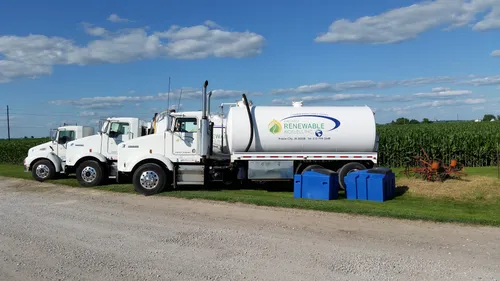
The collection process is designed to be unobtrusive. On your scheduled pickup day, a service truck will arrive, typically without the driver needing to enter your kitchen. They will safely pump the oil from your storage container into their truck 7. After servicing, they will leave a clean, empty container for continued use and provide documentation of the pickup, which can be useful for your records.
The collected oil is then transported to a processing facility. There, it is cleaned and refined to be reborn as valuable commodities. The primary product is biodiesel, a cleaner-burning renewable fuel. UCO can also be used in the production of animal feed, industrial lubricants, and soaps, ensuring nothing goes to waste.
Find the perfect used cooking oil collection companies for your needs
Get personalized recommendations and expert advice
Financials: Understanding Costs and Rebates
The financial model for used cooking oil collection is unique. Unlike paying for trash disposal, UCO recycling can often be cost-neutral or even generate income. The structure generally depends on your monthly oil volume 8.
- Low Volume (Under ~100 gallons/month): Most services offer free pickup and container rental. The recycler's revenue comes solely from the processed oil, making it a simple, no-cost waste solution for you.
- Medium to High Volume (Over 100 gallons/month): This is where rebates come into play. Establishments that generate significant quantities of clean, uncontaminated oil can earn a rebate per gallon. Rates can vary based on market conditions and oil quality but often range from $0.10 to over $0.65 per gallon 9 10. This rebate can directly offset other waste management costs or serve as a small revenue stream.
The total cost of ownership, therefore, is not just a fee. It's a calculation of any service charges minus your earned rebate. For many West Des Moines restaurants, proper management turns a disposal expense into an operational asset 11 12.
Benefits Beyond Compliance
While adhering to the DMMWRA FOG ordinance is a primary driver, the advantages of professional UCO collection extend much further:
- Enhanced Safety: Eliminating slippery, ad-hoc storage of hot oil reduces the risk of kitchen accidents and fires.
- Sustainability Profile: Participating in the circular economy by contributing to biodiesel production is a tangible green initiative you can share with environmentally conscious customers.
- Operational Cleanliness: Regular removal of waste oil prevents foul odors and pest attraction, contributing to a healthier kitchen.
- Hassle-Free Management: Outsourcing this complex, greasy task to experts saves your staff time and labor.
Implementing Your Program
Getting started is straightforward. Research and contact licensed providers in the Des Moines metro area to request a consultation. They will assess your needs, explain their service agreement, and schedule the delivery of equipment. From there, it's a matter of training your staff on proper oil disposal procedures and letting the scheduled service handle the rest. By taking this step, you secure a compliant, efficient, and potentially profitable system for managing your used cooking oil.
Frequently asked questions
Sources
Footnotes
-
Used Cooking Oil Collection Des Moines - https://www.grandnaturalinc.com/locations/used-cooking-oil-recycling-in-des-moines.html ↩
-
Fat, Oil, & Grease (FOG) Program | DMMWRA, IA - https://www.dmmwra.org/174/Fat-Oil-Grease-FOG-Program ↩
-
Used Cooking Oil Pickup and Recycling Services in Des Moines - https://www.grandnatural.com/locations/used-cooking-oil-recycling-in-des-moines.html ↩
-
Cooking Oil Recycling & Disposal Des Moines - https://www.rti-inc.com/des-moines/ ↩
-
How to Properly Store Used Cooking Oil for Recycling Pickup - https://nwbiofuel.com/blog/how-to-properly-store-used-cooking-oil-for-recycling-pickup/ ↩
-
Used Cooking Oil Collection And Recycling FAQs - Grand Natural Inc - https://www.grandnaturalinc.com/used-cooking-oil-collection-and-recycling/recycling-used-cooking-oil-faqs.html ↩
-
Midwest Renewable Biofuels: Cooking Oil Grease Recycling IA - https://www.mrbfuels.com/ ↩
-
Used Cooking Oil Disposal: Complete Guide to Grease Pickups - https://greaseconnections.com/used-cooking-oil-disposal-guide-grease-pickups/ ↩
-
Used Cooking Oil (UCO) Collection Service For Restaurants - https://thegreasecompany.com/blog/restaurant-used-cooking-oil-collection/ ↩
-
Restaurant Used Cooking Oil Recycling & Disposal Guide - https://greaseconnections.com/restaurant-used-cooking-oil-disposal-recycling-revenue-guide/ ↩
-
Used Cooking Oil Pickup vs Drop-Off-What's Best for Restaurants? - https://www.greaseprosrecycling.com/used-cooking-oil-pickup-vs-drop-off/ ↩
-
Used Cooking Oil Pickup and Recycling Services in Atlanta, GA - Mahoney Oil Recycler - https://www.mahoneyes.com/waste-oil-pickup-recycling-atlanta-ga/ ↩