Find the Best Used Cooking Oil Collection Companies for Your Business
No obligation • Fast responses • Nationwide coverage

Why you can trust Restaurant Waste Disposal
Restaurant Waste Disposal is a leading U.S. resource for comparing restaurant composting, food-waste recycling, grease trap cleaning, and used cooking oil collection services. Our editorial team researches providers, checks credentials, and organizes unbiased information so operators can make informed decisions. Companies cannot pay to change ratings or placement.
Search providers near you
Top Used Cooking Oil Collection Companies in Urbandale, Iowa Ranked
For restaurants in Urbandale, establishing a reliable system for managing used cooking oil (UCO) is a critical operational and environmental responsibility. Properly handled, this waste stream can be efficiently recycled into valuable products like biodiesel, while mismanagement can lead to costly plumbing issues and regulatory fines. This guide outlines the essential steps for setting up a compliant and potentially revenue-generating UCO recycling program, covering local service providers, state and city regulations, and best practices for storage and collection.
Understanding Local Regulations and Compliance
Navigating the regulatory landscape is the first step for any Urbandale food service establishment. Iowa state law and local ordinances have specific requirements for grease trap or interceptor maintenance and used oil handling to protect the sewer system. Similar to neighboring cities like North Liberty, Urbandale likely mandates that commercial kitchens maintain detailed logs of grease interceptor cleanings and use haulers who provide electronic manifests for all collections. These records are crucial for demonstrating compliance during inspections.
For the oil itself, storage containers must be in good condition, clearly labeled "Used Oil," and be leak-proof to prevent environmental contamination 1. As a generator of used oil, your restaurant is responsible for preventing spills and ensuring the oil is not mixed with hazardous wastes or excessively diluted with water, which can lower its recycling value and complicate disposal 1. Partnering with a licensed hauler is the most straightforward way to ensure your program meets all these requirements, as they handle the proper documentation and transportation to approved processing facilities.
The Step-by-Step Collection Process
Implementing a used cooking oil recycling program involves a clear, multi-step process from your kitchen to the biorefinery.
1. Partnering with a Licensed Hauler: Your first action is to select a licensed grease and oil collection service. Reputable providers will assess your volume and needs before setting up the program.
2. Container Setup and Use: The hauler will typically provide secure collection containers, such as indoor bins or outdoor tanks, at no upfront cost 2 3. Staff should be trained to pour cooled UCO directly into these containers, often using specialized drain screens or filters to remove food particles, which helps maintain oil quality 4.
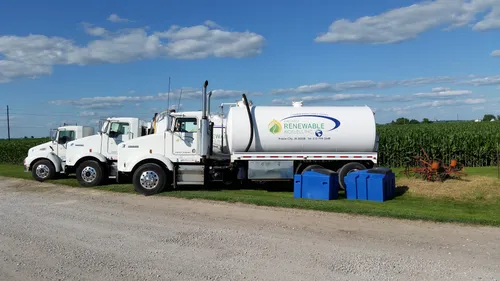
3. Scheduled Pickups: Based on your production volume, the hauler will establish a regular pickup schedule. On collection day, a service technician will use specialized pumps and tank trucks to safely remove the oil from your containers.
4. Processing and Recycling: The collected oil is transported to a processing facility where it is filtered, cleaned, and converted into renewable products. The primary end product is biodiesel, a cleaner-burning alternative to petroleum diesel, but UCO can also be used in animal feed supplements and other industrial applications.
5. Documentation for Compliance: After each pickup, you should receive a manifest or service report from the hauler. This document is your proof of proper, legal disposal and should be kept with your maintenance records.
Cost Structure and Potential Revenue
The financial model for UCO collection in Urbandale is typically volume-based and can range from a free service to a source of supplemental income. Many haulers offer their collection containers and regular pickups at no charge for restaurants generating lower volumes, often under 100 gallons per month. This makes starting a program accessible for smaller establishments.
For restaurants with higher output-300 gallons per month or more-the dynamic changes. Clean, well-managed oil has significant value in the biofuels market. Consequently, many services offer rebate programs, where the restaurant is paid for its oil. Rebate rates can vary with market conditions but have historically ranged from $0.25 to $0.65 per gallon 5 6. The key to maximizing this rebate is oil quality: oil that is free from excessive water, food sediment, and other contaminants commands a higher price. In some cases, a strong rebate can effectively offset the entire cost of grease trap cleaning or other related services 7 8.
Find the perfect used cooking oil collection companies for your needs
Get personalized recommendations and expert advice
Choosing a Service Provider in Urbandale
Selecting the right partner is essential for a smooth and compliant recycling operation. When evaluating providers, consider their local presence, service offerings, and compliance support.
- Grand Natural Inc. services the Des Moines metro area, including Urbandale. They offer free collection containers (for both indoor and outdoor use), equipment, and recycling services. Their program is designed to handle the entire process, providing the necessary documentation for regulatory compliance.
- Midwest Renewable Biofuels is another Iowa-based provider that offers free blue collection containers and used cooking oil recycling services to restaurants.
When speaking with potential providers, ask specific questions: Do they supply and maintain the containers? How often are pickups scheduled? What documentation do they provide after each service? Do they offer a rebate program, and what are the current rates? Do they assist with understanding local Urbandale and Iowa DNR requirements? The answers will help you find a service that aligns with your operational scale and compliance needs.
Best Practices for Storage and Quality Control
The success of your program hinges on how the oil is handled on-site. Proper storage and quality control protect your premises, ensure regulatory compliance, and maximize the value of your oil.
- Use Designated Containers: Only pour UCO into the provided, sealed containers. Never use makeshift containers like buckets or drums that are not part of the hauler's system, as they can leak and are difficult to service.
- Prevent Contamination: Keep container lids closed when not in use to keep out rainwater and debris. Avoid dumping coffee grounds, soapy water, or other liquids into the oil, as this contaminates the batch and reduces its recyclable value 9.
- Manage Grease Traps Separately: Remember that used cooking oil collection is different from grease trap or interceptor cleaning. Grease traps capture fats, oils, and grease (FOG) from wastewater and require separate, more frequent pumping by a licensed grease hauler to prevent sewer blockages.
- Maintain Clear Access: Ensure your outdoor collection tank or bin is easily accessible for service trucks, even in winter weather. A clear, level path prevents service delays and potential spillage during pickup.
- Train Your Staff: Educate all kitchen staff on the proper procedures for disposing of UCO. Clear signage and simple protocols help prevent mistakes that could lead to clogs, spills, or contaminated oil.
Environmental and Community Impact
Participating in a used cooking oil recycling program extends benefits far beyond your restaurant's back door. By diverting this waste from landfills and sewers, you are directly contributing to environmental protection in the Urbandale community. Recycled UCO is a primary feedstock for biodiesel, a renewable fuel that significantly reduces greenhouse gas emissions compared to fossil fuels. This circular economy model turns a waste liability into a resource, supporting Iowa's growing biofuels industry and promoting local sustainability initiatives. Proper management also plays a vital role in protecting the city's wastewater infrastructure, reducing the risk of sanitary sewer overflows that can be costly to remediate and harmful to local waterways 10 11.
Frequently asked questions
Sources
Footnotes
-
Used Oil - Iowa Waste Reduction Center - https://iwrc.uni.edu/environmental-assistance/regulatory-information/used-oil ↩ ↩2
-
Used Cooking Oil Collection Des Moines | Grand Natural Inc - https://www.grandnaturalinc.com/locations/used-cooking-oil-recycling-in-des-moines.html ↩
-
Midwest Renewable Biofuels: Cooking Oil Grease Recycling IA - https://www.mrbfuels.com/ ↩
-
How to Dispose of Cooking Grease as a Restaurant - Webstaurant Store - https://www.webstaurantstore.com/blog/4746/grease-removal-for-restaurants.html ↩
-
Restaurant Used Cooking Oil Recycling & Disposal Guide - https://greaseconnections.com/restaurant-used-cooking-oil-disposal-recycling-revenue-guide/ ↩
-
Used Cooking Oil (UCO) Collection Service For Restaurants - https://thegreasecompany.com/blog/restaurant-used-cooking-oil-collection/ ↩
-
How to Implement a Used Cooking Oil Recycling Program - FCS, Inc - https://www.fcs-inc.org/implement-a-used-cooking-oil-recycling-program/ ↩
-
Used Cooking Oil Disposal: Complete Guide to Grease Pickups - https://greaseconnections.com/used-cooking-oil-disposal-guide-grease-pickups/ ↩
-
Used Cooking Oil Collection And Recycling FAQs - Grand Natural Inc - https://www.grandnaturalinc.com/used-cooking-oil-collection-and-recycling/recycling-used-cooking-oil-faqs.html ↩
-
North Liberty City Council Regular Session November 14, 2023 - https://northlibertyiowa.org/wp-content/uploads/2023/11/2023-11-14-00-complete-City-Council-packet-.pdf ↩
-
Chapter 567-119 - Iowa Administrative Code - https://www.legis.iowa.gov/docs/iac/chapter/02-05-2025.567.119.pdf ↩