
Find the Best Used Cooking Oil Collection Companies for Your Business
No obligation • Fast responses • Nationwide coverage

Why you can trust Restaurant Waste Disposal
Restaurant Waste Disposal is a leading U.S. resource for comparing restaurant composting, food-waste recycling, grease trap cleaning, and used cooking oil collection services. Our editorial team researches providers, checks credentials, and organizes unbiased information so operators can make informed decisions. Companies cannot pay to change ratings or placement.
Search providers near you
Top Used Cooking Oil Collection Companies in Council Bluffs, Iowa Ranked
For restaurants and food service businesses in Council Bluffs, managing used cooking oil (UCO) is a critical operational task that intersects with environmental compliance, kitchen safety, and potential revenue. Proper grease collection and recycling are not just about disposal; they are a key component of sustainable business practices in the hospitality industry. Local and state regulations provide a clear framework, while partnering with a professional recycler streamlines the process, turning a waste product into valuable commodities like biodiesel. This guide outlines the essential steps, rules, and economic considerations for effective used cooking oil management in Council Bluffs.
Understanding Local and State Regulations
Navigating the legal landscape is the first step to compliant grease disposal. In Iowa, used cooking oil is regulated to prevent environmental harm and protect municipal sewer systems.
Iowa Administrative Code Requirements The Iowa Administrative Code (Chapter 567-119) sets forth specific rules for used oil handlers1. For restaurants, this means storing oil in closed, unbreakable containers that are clearly labeled as "Used Oil" or "Waste Oil." The primary goal is to prevent any release of oil into the environment. Containers and storage tanks must be in good condition, without leaks, rust, or other defects that could lead to spills. These rules apply to any business generating used oil from food preparation.
Council Bluffs City Guidelines The City of Council Bluffs emphasizes that used cooking oil should never be poured down drains, into storm sewers, or onto the ground2. For establishments that are significant generators of fats, oils, and grease (FOG), the installation and maintenance of a properly sized grease trap or interceptor is typically required to prevent sewer blockages. While the city's WasteConnect app is a resource for general waste and recycling information, used cooking oil collection is handled through private, commercial recycling services2 3.
The Step-by-Step Collection and Recycling Process
Implementing a safe and efficient UCO handling procedure in your kitchen protects your staff, your premises, and the local infrastructure.
1. Cooling and Initial Filtering After frying, allow the oil to cool completely to a safe handling temperature. Once cool, strain the oil through a fine mesh filter or cheesecloth to remove large food particles and sediment. This preliminary step improves the oil's quality and value for recyclers and helps prevent clogs in your storage container.
2. Secure On-Site Storage Transfer the filtered, cool oil into a dedicated, sealable collection container. Most professional recycling companies will provide these containers-often sturdy plastic barrels or metal collection tanks-as part of their service. It is crucial to keep these containers covered and in a secure, designated area to prevent accidents, contamination, or unauthorized dumping.
3. Scheduled Professional Pickup Your contracted recycler will establish a regular pickup schedule based on your oil production volume. Companies like Midwest Renewable Biofuels, which services Iowa, will send a truck to pump or swap out your full containers. The frequency can range from weekly to monthly, ensuring you never have overflowing or unsafe storage conditions.
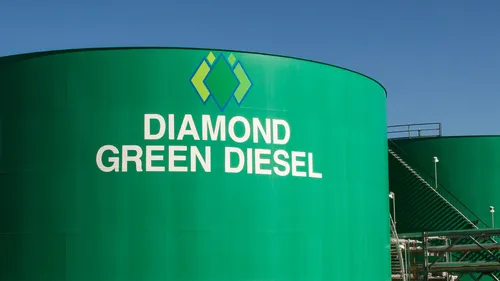
4. Transformation into New Products Once collected, the used cooking oil begins its second life. It is transported to a processing facility where it undergoes purification and conversion. The most common end product is biodiesel, a renewable fuel. It can also be refined into ingredients for animal feed, cosmetics, or industrial lubricants. This circular economy model is the cornerstone of modern grease recycling.
Find the perfect used cooking oil collection companies for your needs
Get personalized recommendations and expert advice
Economic Considerations: Costs and Potential Revenue
A major incentive for restaurants to participate in formal used cooking oil collection is the potential to turn a cost center into a source of revenue or, at minimum, offset disposal expenses.
Understanding Pricing Models Commercial recyclers typically compensate restaurants based on the volume and quality of oil provided. Payment is often in the form of a rebate check or a credit against service fees. The market price for used cooking oil fluctuates, but general guidelines exist:
- Low Volume Producers (under 100 gallons per month): Often benefit from free pickup services with little to no payment, as the cost of collection is offset by the recycler's bulk operations.
- Medium Volume Producers (100-300 gallons per month): May receive payments ranging from $0.10 to $0.25 per gallon.
- High Volume Producers (over 300 gallons per month): Can command higher rates, potentially from $0.25 to over $0.65 per gallon, depending on market conditions and oil purity.
Offsetting Service Costs For some businesses, especially those with lower volume, the arrangement may not involve direct payment but instead a "service credit" that eliminates any pickup fee. The key takeaway is that proper recycling should not be a significant net cost for most restaurants. In fact, mismanaging oil-leading to clogged drains, sewer fines, or environmental cleanup-is far more expensive than establishing a professional collection service4 5.
Choosing a Recycling Partner in Council Bluffs
Selecting a reliable used cooking oil collector is a business decision that impacts your operations, compliance, and sustainability goals.
Services to Look For A reputable provider will offer a comprehensive service package. This includes supplying appropriate, leak-proof collection containers, establishing a reliable pickup schedule, and providing documentation for your records. They should be fully permitted and insured, adhering to all Iowa Department of Natural Resources (DNR) regulations for transportation and processing 6. Transparency about their processing methods and end markets for the oil is also a sign of a credible partner.
The Value of Consistent Service Consistency prevents backups and safety hazards in your kitchen. A good partner will work with you to optimize the pickup frequency, ensuring containers are never overfull. They can also offer advice on best practices for oil filtering and storage to maximize the quality and yield of your material. By building a relationship with a local or regional biofuel company, you contribute directly to Iowa's renewable energy sector and enhance your restaurant's environmental profile.
Best Practices for Restaurant Kitchen Safety
Safe handling of hot oil is a fundamental kitchen safety protocol. Always allow oil to cool for several hours before attempting to move or filter it. Use designated, heat-resistant containers and funnels for transfer. The storage area for collection barrels should be on a stable, level surface, away from high-traffic zones and sources of ignition. Clear signage can help staff and waste management personnel identify the containers correctly. Implementing these simple practices minimizes the risk of burns, slips, and fires, creating a safer workplace7 8.
The Environmental Impact of Proper Recycling
Choosing professional used cooking oil collection has a direct positive effect on the local environment and community infrastructure. When oil is poured down drains, it solidifies, causing costly and disruptive sewer blockages that can lead to backups into homes and businesses9. It also places a significant burden on municipal water treatment facilities. By recycling, restaurants in Council Bluffs help prevent pollution in the Missouri River and local waterways. Furthermore, converting used oil into biodiesel reduces reliance on fossil fuels, lowering greenhouse gas emissions and supporting a cleaner energy future for Iowa10 11.
Frequently asked questions
Sources
Footnotes
-
Chapter 567-119 - Iowa Administrative Code - https://www.legis.iowa.gov/docs/iac/chapter/02-05-2025.567.119.pdf ↩
-
How to dispose of or recycle Cooking Oil - Council Bluffs, IA - https://www.councilbluffs-ia.gov/2240/Garbage-Yard-Waste-and-Recycling-Collect#!rc-cpage=512724 ↩ ↩2
-
Recycling Collection | Council Bluffs, IA - Official Website - https://www.councilbluffs-ia.gov/2260/Recycling-Collection ↩
-
Used Cooking Oil Disposal: Complete Guide to Grease Pickups - https://greaseconnections.com/used-cooking-oil-disposal-guide-grease-pickups/ ↩
-
Restaurant Used Cooking Oil Recycling & Disposal Guide - https://greaseconnections.com/restaurant-used-cooking-oil-disposal-recycling-revenue-guide/ ↩
-
Used Oil | Iowa Waste Reduction Center - https://iwrc.uni.edu/environmental-assistance/regulatory-information/used-oil ↩
-
Restaurant Oil Disposal: Explained - Eazy Grease - https://eazygrease.com/how-do-restaurants-get-rid-of-their-oil/ ↩
-
What Do Restaurants Do with Grease? - https://www.mahoneyes.com/what-do-restaurants-do-with-grease/ ↩
-
Navigating Legal Requirements for Used Cooking Oil Disposal - https://bakercommodities.com/blog/2024/02/08/legal-requirement-used-cooking-grease/ ↩
-
Midwest Renewable Biofuels: Cooking Oil Grease Recycling IA - https://www.mrbfuels.com/ ↩
-
What Happens To The Used Cooking Oil Once It Leaves Your Restaurant? - https://www.grandnatural.com/blog/what-happens-to-the-used-cooking-oil-once-it-leaves-your-restaurant.html ↩