Find the Best Composting & Food Waste Companies for Your Business
No obligation • Fast responses • Nationwide coverage

Why you can trust Restaurant Waste Disposal
Restaurant Waste Disposal is a leading U.S. resource for comparing restaurant composting, food-waste recycling, grease trap cleaning, and used cooking oil collection services. Our editorial team researches providers, checks credentials, and organizes unbiased information so operators can make informed decisions. Companies cannot pay to change ratings or placement.
Search providers near you
Top Composting & Food Waste Companies in Manassas, Virginia Ranked
For restaurant owners and food service managers in Manassas, managing organic waste is no longer just a line-item expense-it's a strategic opportunity. Implementing a robust food waste diversion program can reduce disposal costs, enhance sustainability credentials, and contribute to the local circular economy. The City of Manassas supports these efforts through partnerships and resources designed to help commercial kitchens transition from landfill-bound trash to valuable compost. This guide outlines the practical steps, key providers, and local guidelines for establishing an effective organic waste recycling system for your Manassas restaurant.
Future Acres Urban Farming
5918 Heritage Square Dr, Burke, VA 22015
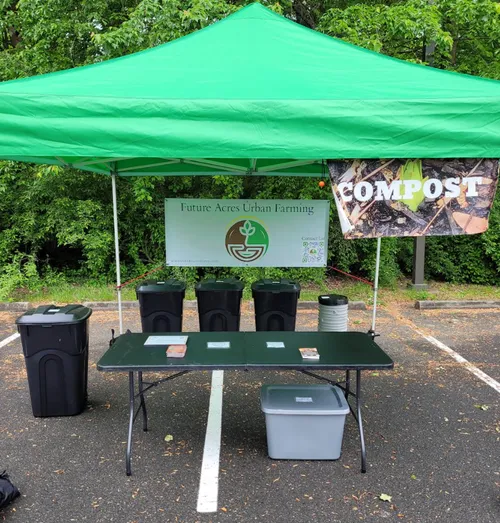
Future Acres Urban Farming is a composting service based in Washington, DC, specializing in food waste and composting solutions for restaurants. They offer regular compost pickup and delivery services, helping reduce waste and support urban farming efforts. Their team includes specialists in BSFL composting and they actively hire for various roles including farmers market employees and drivers.
Monster Organics
Washington, DC
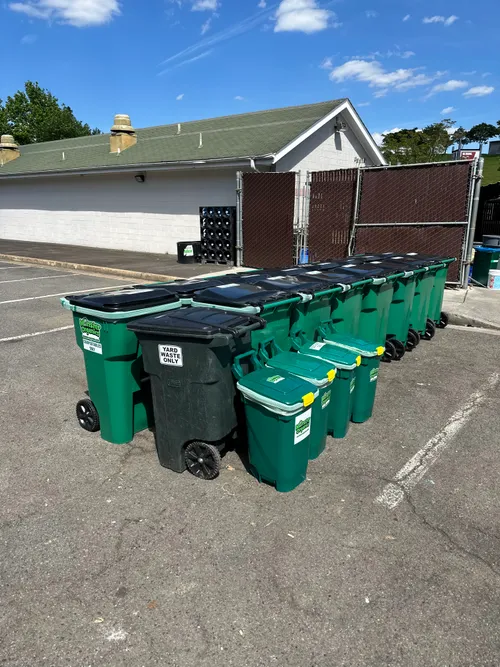
Monster Organics provides food waste collection and composting services for restaurants and other businesses in Washington, DC. They collect organic waste and partner with composting facilities to convert it into soil amendments, supporting sustainable waste management. Their services include bin delivery and regular cleaning, with additional capabilities such as glass recycling and product destruction. Monster Organics emphasizes education and community outreach to promote sustainability.

Thee Earth & Composting Solutions,LLC
120 Waterfront St Suite 420 #2126, Oxon Hill, MD 20745
Thee Earth & Composting Solutions, LLC provides food scrap and yard waste collection services in Washington, DC. They transform organic waste from restaurants and residential customers into nutrient-rich compost that benefits soil and plants. Their services include convenient pickup options and custom on-site composting systems. The company focuses on sustainable waste reduction and creating healthy soil through natural decomposition processes involving microorganisms. Their approach supports environmental health by reducing landfill waste and improving soil fertility.
Understanding Commercial Food Waste Recycling
Commercial food waste recycling, often called organics diversion, involves systematically collecting food scraps and soiled paper products for processing into compost, a nutrient-rich soil amendment. Unlike residential programs, commercial services are tailored to handle higher volumes and varied waste streams typical of kitchens, from prep scraps and spoiled inventory to post-consumer plate waste. In Virginia, diverting organic material from landfills is increasingly prioritized to meet state waste reduction goals and extend landfill lifespans. For a Manassas restaurant, participation signals environmental stewardship and operational efficiency, potentially appealing to a growing base of eco-conscious customers.
Local Service Providers and Programs
The primary partner for curbside commercial food scrap collection in the City of Manassas is Compost Crew 1. This private service provider works in coordination with the city's sustainability initiatives to offer tailored solutions for local businesses, including restaurants. While the city itself offers a drop-off location for residents, commercial operations typically require the volume and convenience of a dedicated pickup service.
Compost Crew's program is designed for flexibility. They provide collection bins in various sizes based on your establishment's weekly waste volume2 3. To begin, restaurants can contact them directly for a custom quote, which will determine the monthly fee based on bin size and pickup frequency2. It's noted that the city previously subsidized initial bin costs during a pilot phase, so inquiring about any ongoing incentives or partnerships is advisable2.
For restaurants looking to maximize their impact, a complementary resource is the Prince William Food Rescue. Partnering with this organization allows for the diversion of still-edible food to those in need, which should be the first step in any comprehensive waste management plan before composting inedible scraps.
Setting Up Your Kitchen for Success
Implementing a food waste program requires some internal adjustments to ensure cleanliness, efficiency, and low contamination.
Container Strategy:
- Collection Bins: Compost Crew provides the main outdoor collection carts. Internally, you'll need smaller, lidded bins for kitchen and dish station collection.
- Kitchen Caddies: The service may offer or recommend countertop kitchen caddies for convenient scrap collection during food prep. You can also use your own container, provided it meets the service's guidelines.
- Clear Bin Policy: Using clear or translucent indoor bins is highly recommended. This allows staff to quickly verify contents and helps managers monitor for contamination at a glance.
Staff Training and Placement:
- Place collection bins in key areas: prep stations, the dish pit, and anywhere food is plated or discarded.
- Conduct brief, ongoing training sessions with all staff-from chefs to bussers-on what is and is not acceptable in the compost stream. Clear, multilingual signage above bins is essential.
Find the perfect composting & food waste companies for your needs
Get personalized recommendations and expert advice
Acceptable Materials and Contamination Control
Maintaining a clean stream of organic material is critical for successful composting. Contamination (non-compostable items) can render an entire load unusable.
What CAN Be Composted:
- All food scraps: Fruits, vegetables, meat, bones, dairy, bread, and coffee grounds with filters.
- Soiled paper products: Uncoated paper napkins, paper towels, parchment paper, and unlined paper takeout containers.
- Certified compostable service ware: Items like plates, cups, and utensils that carry a recognized certification (e.g., BPI). Always check with your provider (e.g., Compost Crew) for specific approved brands before switching purchases.
What CANNOT Be Composted (Key Contaminants):
- Plastic bags: This includes even bags marketed as "compostable" or "biodegradable" unless they are specifically certified and approved by your hauler.
- Liquids: Oils, soups, and drinks should be disposed of separately.
- Non-compostable packaging: Glass, metal, styrofoam, plastic wrap, and coated paper.
- Traditional service ware: Standard plastic utensils, straws, or condiment packets.
The Business Case for Food Waste Diversion
Beyond environmental responsibility, diverting food waste offers tangible financial and operational benefits for Manassas restaurants.
Cost Savings: While there is a monthly fee for composting service, it can lead to net savings. Diverting heavy, wet organic waste can reduce the volume and frequency of your general trash pickups, potentially lowering those disposal bills. Furthermore, reducing food waste at the source through better inventory management cuts purchasing costs.
Enhanced Brand Reputation: Sustainability is a powerful market differentiator. Promoting your restaurant's composting and food rescue efforts can strengthen community ties and attract customers who prioritize supporting environmentally responsible businesses.
Regulatory Preparedness: As landfill space becomes scarcer, regulations around organic waste are evolving. Proactively establishing a diversion program positions your business ahead of potential future mandates, avoiding rushed, costly compliance later.
Integrating Donation and Source Reduction
A holistic food waste management plan addresses the entire hierarchy: first reduce waste, then donate edible food, and finally compost the remainder.
Source Reduction: Conduct a waste audit to identify where and why food is being thrown away. Common areas include over-preparation, spoilage, and trim waste. Adjusting purchase orders, improving storage, and refining portion sizes can have a significant impact.
Food Donation via Prince William Food Rescue: This vital partner can connect restaurants with agencies that will collect surplus edible food. Donations are often tax-deductible and provide critical support to the community, ensuring nutritious food feeds people, not landfills4.
Composting the Rest: The inedible scraps-peels, eggshells, coffee grounds, and soiled paper-then become the feedstock for your composting service, closing the loop locally.
Getting Started: A Step-by-Step Checklist
- Conduct a Pre-Audit: Track your trash for a week to estimate the volume of compostable material.
- Contact Compost Crew: Reach out for a consultation and custom quote based on your audit findings.
- Explore Donation: Connect with Prince William Food Rescue to set up a donation protocol for surplus food.
- Procure Supplies: Order clear indoor bins and create signage for your team.
- Train Your Staff: Hold a launch meeting to explain the "why" and the "how," emphasizing contamination rules.
- Launch and Monitor: Begin collection, checking the first few loads for contamination and providing feedback.
- Promote Your Efforts: Share your commitment to sustainability with customers through your website, social media, and in-restaurant materials.
Frequently asked questions
Sources
Footnotes
-
Trash & Recycling - Welcome to Manassas, Virginia - https://www.manassasva.gov/public_works/trash___recycling/index.php ↩
-
Sustainable City of Manassas - Compost Crew - good to grow - https://compostcrew.com/city-of-manassas/ ↩ ↩2 ↩3
-
Composting Pilot Program - Welcome to Manassas, Virginia - https://www.manassasva.gov/public_works/trash___recycling/composting_pilot_program.php ↩
-
Composting - https://www.manassasva.gov/public_works/trash___recycling/food_waste_composting.php ↩