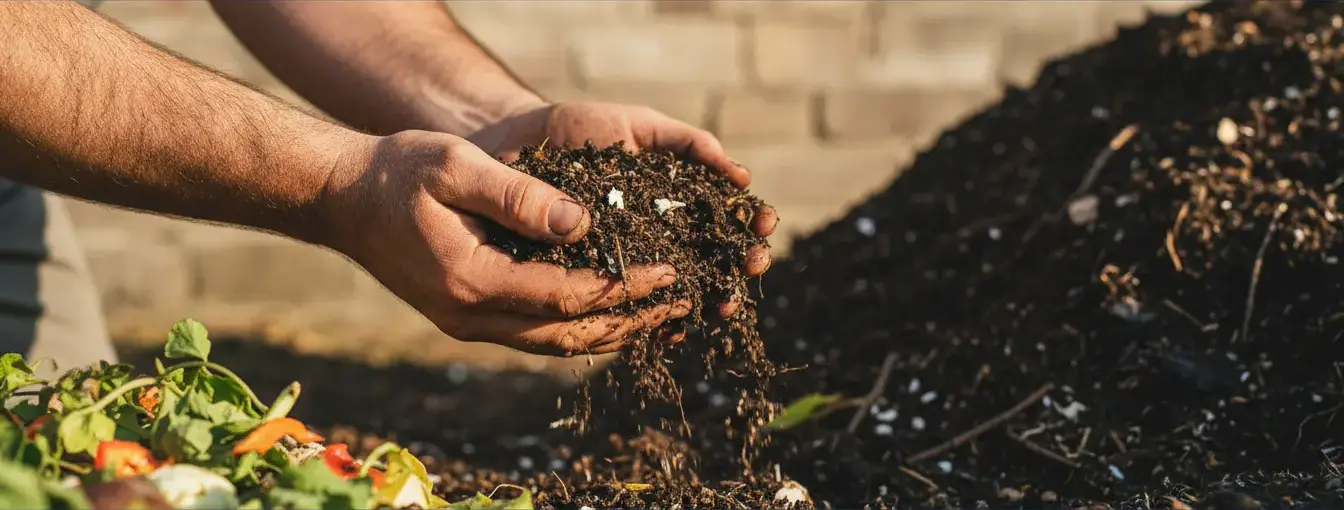
Find the Best Composting & Food Waste Companies for Your Business
No obligation • Fast responses • Nationwide coverage

Why you can trust Restaurant Waste Disposal
Restaurant Waste Disposal is a leading U.S. resource for comparing restaurant composting, food-waste recycling, grease trap cleaning, and used cooking oil collection services. Our editorial team researches providers, checks credentials, and organizes unbiased information so operators can make informed decisions. Companies cannot pay to change ratings or placement.
Search providers near you
Top Composting & Food Waste Companies in Rock Hill, South Carolina Ranked
For restaurants and food service businesses in Rock Hill, managing organic waste is a critical operational and environmental consideration. While the City of Rock Hill provides reliable commercial garbage and recycling services for standard waste streams, dedicated food scrap recycling and composting programs for businesses typically require partnering with private haulers or specialized organics processors. Implementing a food waste diversion program can reduce landfill costs, support local sustainability goals, and meet growing customer expectations for eco-friendly practices. This guide outlines the landscape for commercial organics recycling in the Rock Hill area, helping you navigate between municipal services and private sector solutions.
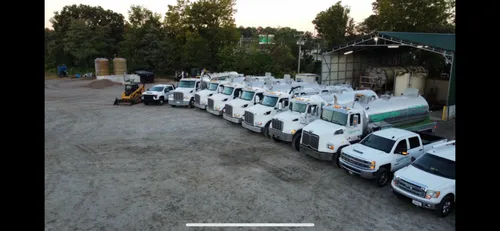
Greenway Waste Solutions
5600 Lakeview Rd, Charlotte, NC 28269
Greenway Waste Solutions is a family-owned company based in Charlotte, NC, specializing in grease trap pumping, septic tank cleaning, and drain cleaning services for restaurants and food service establishments. They operate a state-of-the-art processing facility where grease and food waste are separated and converted into compost, supporting sustainability efforts. The company has over 20 years of industry experience and is certified to haul grease and septic waste in North and South Carolina. Greenway offers 24/7 customer support and serves Charlotte and surrounding areas including Belmont, Concord, and Rock Hill.
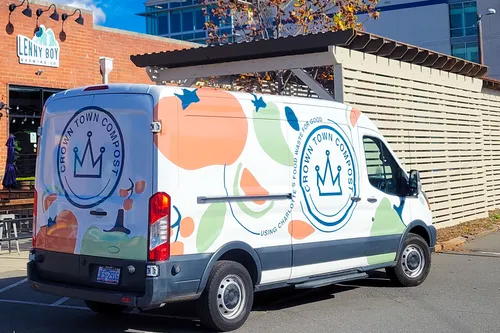
Crown Town Compost
Charlotte, NC
Crown Town Compost provides food waste composting services for homes and businesses in Charlotte, NC. They offer convenient bin pick-up and drop-off options to help clients divert compostable waste from landfills. The company processes food scraps into nutrient-rich compost, which is then shared with members to support soil health and sustainable gardening. Crown Town Compost serves a variety of clients including restaurants, coffee shops, offices, and residential customers, making composting easy and clean.
Understanding Municipal vs. Private Services
The first step for any Rock Hill business is to understand the division of services. The City of Rock Hill's Public Works department offers comprehensive commercial waste collection, including garbage and recycling for materials like cardboard, office paper, and plastics. This service is available to all businesses and industries within the city, with options for dumpsters of various sizes or smaller rollcarts, and pickup occurs Monday through Saturday.
However, for dedicated food scrap collection and organic waste composting, the city's direct municipal program does not currently provide this specific service. This means restaurants, cafeterias, and other food generators must seek out private contractors to handle this stream separately. This bifurcated system is common, where cities manage base-level waste while specialized organic material management is handled by the market. The key is to integrate a private organics hauler with your existing city waste contract to create a complete waste management system.
Benefits of Diverting Food Waste for Restaurants
Beyond regulatory compliance or cost management, diverting food scraps from the landfill offers tangible benefits. It can enhance your brand's reputation as a sustainable business, appealing to a conscientious clientele. Environmentally, composting transforms waste into a valuable soil amendment, closing the nutrient loop. Operationally, separating wet, heavy food waste can reduce odors and pest issues in your standard trash dumpsters and may even allow you to downsize your general waste service, potentially offsetting some of the cost of the new composting service. For high-volume kitchens, the weight and volume reduction in the regular trash can be significant.
Private Sector Options for Organics Recycling
The Charlotte Metro area, which includes Rock Hill, is served by several regional and national waste management companies, as well as local composting startups. Common providers include large firms like Waste Management and Republic Services, which may offer organics collection as an add-on service. Additionally, dedicated compost services such as CompostNow, The Compost Company, or local operators like Scrappy's often provide tailored programs for restaurants.
These private services focus exclusively on collecting acceptable organic materials to be processed into compost or, in some cases, used for anaerobic digestion. When exploring options, it's crucial to ask each provider about their end destination for the material to ensure it aligns with your sustainability goals-whether it's a local farm, a commercial composting facility, or an industrial digester.
Find the perfect composting & food waste companies for your needs
Get personalized recommendations and expert advice
Setting Up Service: Containers, Pickup, and Contamination
Once you select a private hauler, setting up service involves a few key steps. First, you'll assess your weekly food waste volume-typically measured by the number of gallons or by weight-to determine the right container size and pickup frequency. Most services provide sealed totes, often in the 32 to 64-gallon range, or larger wheeled bins to prevent leaks and odors. Liners or compostable bags are frequently supplied.
Pickup schedules are tailored to your volume and needs; for a busy restaurant, collection might be needed two to three times per week to maintain hygiene and space. The most critical rule to follow is the contamination policy. Compost streams must be kept free of plastics, glass, metal, styrofoam, and liquids. A single plastic bag or utensil can spoil an entire batch of compost. Haulers often strictly enforce these rules, and contaminated bins may be rejected or incur extra fees. Training your kitchen and front-of-house staff on what goes in the compost bin is essential for a successful program.
Cost Considerations and Contract Review
Costs for private food waste collection are an additional fee on top of your base city waste removal bill. Pricing models vary but often include a monthly base fee plus a per-pickup or per-volume charge. 1 Depending on your establishment's size and waste output, you might expect costs to range from approximately $75 to over $200 per month. 1 It's highly recommended to get quotes from several providers to compare service levels, container options, and pricing.
When reviewing contracts, pay close attention to the pickup frequency, policies on missed pickups or extra collections, contamination penalties, and the terms for changing your service level. Ask if the provider offers any educational materials or bin signage to help your staff. A clear contract and understanding of the rules will prevent surprises and ensure a smooth partnership.
Steps to Implement a Food Waste Program
- Conduct a Waste Audit: Spend a week tracking how much food waste (pre-consumer scraps and post-consumer plate waste) your business generates. This data is vital for getting accurate quotes.
- Contact the City: Ensure your general commercial garbage and recycling services with the City of Rock Hill are set up optimally. You can request a quote or service adjustment through the Public Works department. 2
- Research and Contact Private Haulers: Reach out to at least three private companies that offer commercial food waste collection in the Rock Hill area. Provide them with your waste audit data.
- Compare Quotes and Services: Evaluate not just on price, but on container practicality, pickup schedules, customer support, and the final destination of the compost.
- Staff Training and Rollout: Before the first pickup, train every team member. Use clear, multilingual signage above bins. Start with a pilot phase in the kitchen before rolling out to dining areas.
- Monitor and Adjust: Check bins periodically for contamination. After a month, review the volume and pickup frequency with your hauler to see if adjustments can improve efficiency or cost.
Local Resources and Sustainability Partnerships
Engaging with local sustainability initiatives can provide support and recognition. Check with the South Carolina Department of Health and Environmental Control (SCDHEC) for any state-level resources or grants related to waste diversion. Connecting with the Rock Hill Green Initiative or local community gardens can also be fruitful; sometimes, small-scale operations may accept clean, pre-consumer vegetable scraps directly. These partnerships can strengthen your local network and provide a great story to share with your customers about where your food waste ends up.
Frequently asked questions
Sources
Footnotes
-
Public Works | Rock Hill, SC - https://www.cityofrockhill.com/departments/public-works ↩ ↩2
-
Commercial Garbage & Recycling | Rock Hill, SC - https://www.cityofrockhill.com/departments/public-works/garbage-recycling/commercial-garbage ↩