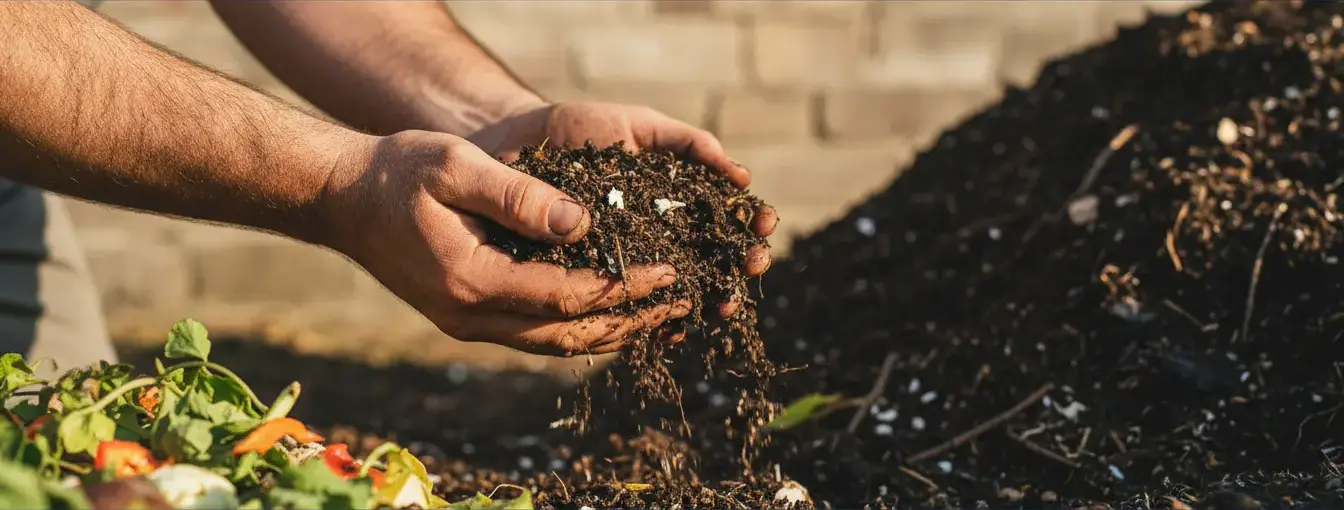
Find the Best Composting & Food Waste Companies for Your Business
No obligation • Fast responses • Nationwide coverage

Why you can trust Restaurant Waste Disposal
Restaurant Waste Disposal is a leading U.S. resource for comparing restaurant composting, food-waste recycling, grease trap cleaning, and used cooking oil collection services. Our editorial team researches providers, checks credentials, and organizes unbiased information so operators can make informed decisions. Companies cannot pay to change ratings or placement.
Search providers near you
Top Composting & Food Waste Companies in East Providence, Rhode Island Ranked
For restaurants and food service businesses in East Providence, managing organic waste is no longer just an environmental consideration-it's a practical and often regulated part of operations. Implementing a commercial food scrap diversion program can reduce trash disposal costs, support local sustainability goals, and comply with Rhode Island's forward-thinking waste regulations. This guide provides a detailed overview of the services, rules, and steps for establishing an effective food waste recycling system tailored to your establishment's needs.
Successful organic waste management starts with understanding your options. East Providence businesses can partner with private haulers who specialize in commercial composting, offering flexible service levels to match your kitchen's output. Beyond service selection, navigating state mandates and local resources is key to a compliant and cost-effective program. By taking a systematic approach, you can transform food scraps from a disposal headache into a valuable resource for the community.
Understanding Commercial Composting Services
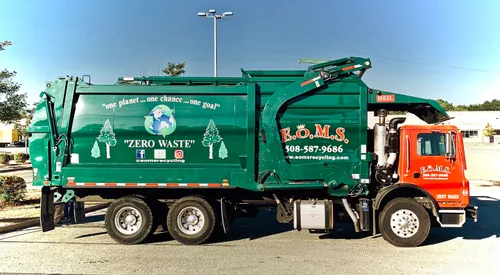
Commercial composting for restaurants involves contracting with a specialized hauler to collect your pre-consumer and post-consumer food scraps. Unlike residential programs, these services are designed to handle the volume and pace of a commercial kitchen, providing appropriate containers and reliable pickup schedules.
In East Providence, primary service providers include Black Earth Compost and Harvest Cycle, which is affiliated with Groundwork Rhode Island. These companies work directly with businesses to design a service plan. You'll typically start by assessing your weekly food waste output, which determines the size and number of containers provided, as well as the frequency of collection.
Available Container Types and Schedules
Choosing the right container is crucial for kitchen workflow and minimizing contamination. Providers offer different options:
- Small to Medium Bins: Harvest Cycle often utilizes 5-gallon buckets for collection, which are manageable for kitchen staff to transport and store. Black Earth Compost offers options like 13-gallon wheeled bins with locking lids, which are easy to move and help control odors.
- Larger Carts: For establishments with higher volume, both haulers can provide larger carts, similar in size to standard trash dumpsters but designated for organics only.
- Collection Schedules: Pickups can be arranged weekly or bi-weekly, depending on your waste generation and budget. Most restaurants find that weekly service prevents odor issues and aligns with their production cycles.
Establishing a consistent, labeled collection station in your prep and dishwashing areas is the first step toward staff adoption and program success.
Navigating Rhode Island's Food Waste Mandate
Rhode Island has implemented commercial food waste recycling requirements that may apply to your East Providence restaurant. Understanding this mandate is essential for compliance and avoiding potential fines.
The regulation requires businesses and institutions that generate a significant amount of food scraps per week to divert that material from the landfill, provided a composting or anaerobic digestion facility is located within 15 miles. This means that if your restaurant's food waste exceeds the state's threshold, you are legally obligated to arrange for its separate collection and processing.
Waivers and Compliance
The state recognizes that cost can be a barrier. Waivers are available if the cost of composting tipping fees exceeds the cost of sending waste to the Central Landfill by a certain percentage 1. It's important to check current Rhode Island Resource Recovery Corporation (RIRRC) rates and discuss this with your chosen hauler. Even if a waiver applies, participating in a diversion program can still be financially beneficial by reducing the volume-and therefore the cost-of your regular trash disposal.
Local initiatives, such as those promoted by Zero Waste Providence, also support businesses in meeting these goals by providing resources and raising awareness about the benefits of diversion.
Costs and Contamination Guidelines
Investing in a composting service involves a monthly fee, but it should be evaluated against the potential savings from reduced trash hauling costs.
Pricing Structure
Costs are typically based on the volume of your container and the frequency of pickup. For example, Harvest Cycle's service for 5-gallon buckets can range from approximately $16 to $31 per month 2. Black Earth Compost likely has a similar tiered pricing model based on bin size 3. It's vital to get a direct quote from providers for your specific situation. When comparing prices, consider the holistic financial picture: a well-run composting program can shrink your standard trash bin size or reduce pickup frequency, offsetting the new expense.
Critical Contamination Rules
Maintaining a clean compost stream is non-negotiable. Contaminated loads can be rejected by processors, resulting in fees and wasted effort. Key rules include:
- Accepted Materials: Fruit and vegetable scraps, meat, bones, dairy, bread, coffee grounds/filters, tea bags, and soiled paper products like napkins.
- Strictly Prohibited Materials: No plastic bags of any kind, styrofoam, glass, metal, rubber bands, or liquids. Even "biodegradable" plastic bags are usually not accepted in commercial composting facilities.
- Best Practice: Many haulers require or recommend using certified compostable bags (often labeled BPI) to line collection pails. Always check with your specific provider for their preferred liner. The safest method is to train staff to place materials directly into the bin or use only approved liners.
Find the perfect composting & food waste companies for your needs
Get personalized recommendations and expert advice
Implementing a Program in Your Restaurant
Starting a composting initiative requires planning and team engagement. Follow these steps to ensure a smooth rollout.
- Conduct a Waste Audit: Spend a week tracking how much food waste your kitchen produces. This data is essential for choosing the right service level and provides a baseline to measure success.
- Contact Local Haulers: Reach out to providers like Black Earth Compost and Harvest Cycle for quotes 4. Discuss your audit findings, ask about container options, pickup schedules, and their specific contamination policies.
- Design Your Kitchen System: Place clearly labeled collection bins in key areas: prep stations, the dish pit, and behind the bar. Educate every team member on what goes in the compost versus trash or recycling. Visual aids posted above bins are extremely effective.
- Check Regulatory Status: Verify whether your business falls under the state's food waste mandate and understand the process for applying for a waiver if needed 5.
- Utilize Local Resources: Explore support from Zero Waste Providence, which offers guidance and may highlight local incentive programs or partnerships 6 7.
The Broader Impact of Food Waste Diversion
Choosing to compost extends benefits far beyond your restaurant's back door. Diverted organic material is processed into nutrient-rich compost, which is used to enrich soils in local farms and gardens, closing the loop in our local food system. This process also significantly reduces greenhouse gas emissions; when food waste decomposes in a landfill without oxygen, it produces methane, a potent climate pollutant. By composting, your business actively contributes to Rhode Island's climate goals and community resilience.
Furthermore, participating in these programs enhances your brand's reputation. Consumers increasingly support businesses that demonstrate environmental responsibility. Promoting your composting efforts can strengthen customer loyalty and set you apart as a sustainability leader in the East Providence dining scene.
Frequently asked questions
Sources
Footnotes
-
Rhode Island - Food Waste Recycling Requirements - https://ilsr.org/article/composting-for-community/rhode-island-food-waste-recycling/ ↩
-
Harvest Cycle Compost - Groundwork Rhode Island - https://groundworkri.org/harvest-cycle-compost/ ↩
-
East Providence, RI - Curbside Collection | Black Earth Compost - https://blackearthcompost.com/composting-in/east-providence-ri/ ↩
-
City of Providence Compost - https://www.providenceri.gov/sustainability/compost/ ↩
-
City of Providence Recycling Guide - https://www.providenceri.gov/public-works/recycling-guide/ ↩
-
RESTURANT COMPOSTING | Zero-Waste PVD - https://www.zerowasteprovidence.com/100-by-2022 ↩
-
Curbside compost pickups to be tested in two RI towns in September - https://www.providencejournal.com/story/news/local/2025/08/14/curbside-compost-pickups-begin-barrington-bristol-first-in-rhode-island-september-18/85647126007/ ↩