Find the Best Composting & Food Waste Companies for Your Business
No obligation • Fast responses • Nationwide coverage

Why you can trust Restaurant Waste Disposal
Restaurant Waste Disposal is a leading U.S. resource for comparing restaurant composting, food-waste recycling, grease trap cleaning, and used cooking oil collection services. Our editorial team researches providers, checks credentials, and organizes unbiased information so operators can make informed decisions. Companies cannot pay to change ratings or placement.
Search providers near you
Best Composting & Food Waste Companies in Mississippi Ranked
For Mississippi restaurants, managing food scraps and organic waste is an opportunity to improve sustainability, potentially reduce costs, and contribute to local soil health. Unlike some states with strict mandates, Mississippi's approach currently emphasizes voluntary programs and support for businesses looking to start composting or food donation initiatives. By understanding the available options-from private haulers to on-site solutions-restaurants can develop a practical plan that aligns with both environmental goals and operational realities. This guide outlines the regulatory landscape, service options, and steps to begin diverting food waste from landfills.
Understanding Mississippi's Regulatory Landscape
Mississippi does not have a statewide landfill ban on food waste or mandatory organic recycling laws for most commercial entities, including restaurants 1. The regulatory environment is primarily supportive rather than punitive, focusing on encouragement and resource provision. The Mississippi Department of Environmental Quality (MDEQ) promotes organic diversion through educational outreach and by facilitating the permitting process for composting facilities.
While there is no blanket mandate, it's important for larger generators or those near existing processing facilities to stay informed. Some regional initiatives or specific agreements with waste haulers could introduce diversion requirements, but these are not common statewide 2. The emphasis remains on voluntary participation, giving restaurants the flexibility to design a program that fits their specific volume, budget, and operational flow.
Options for Diverting Food Waste
Restaurants in Mississippi have several pathways to manage food scraps and surplus food effectively. The right choice depends on your location, the volume of waste generated, and your capacity for handling materials on-site.
Private Hauling Services
The most common solution for restaurants is contracting with a private waste hauler that offers dedicated organics collection. These services transport food waste to commercial composting facilities or anaerobic digestors. Availability can vary by region, with more options typically found in and around metropolitan areas like Jackson or the Gulf Coast. When exploring haulers, inquire about the types of materials accepted (e.g., meat, bones, compostable packaging) and the required separation protocols.
On-Site Composting
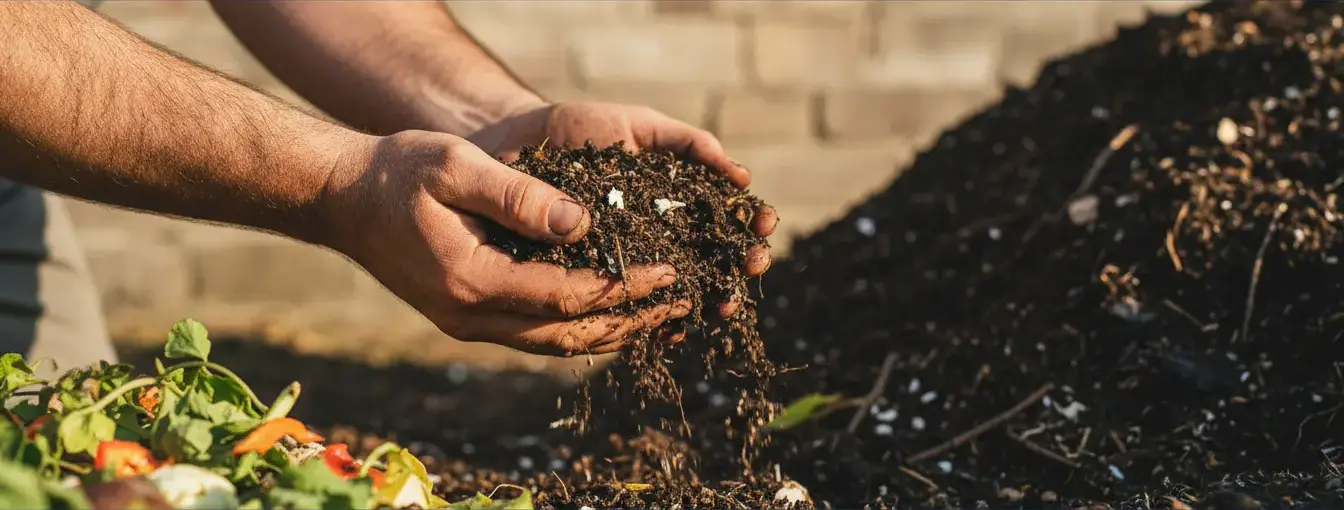
For restaurants with adequate outdoor space, on-site composting is a viable long-term solution. MDEQ supports small-scale composting efforts, which can turn kitchen prep waste into valuable soil amendment for landscaping or gardens. It's crucial to follow best practices to avoid odors or pests. Larger-scale on-site operations require a permit from MDEQ, and the agency is actively working to streamline this permitting process to encourage more participation.
Food Donation Programs
Diverting surplus edible food through donation is a highly effective and socially beneficial strategy. Partnering with local food banks, shelters, or organizations like the Mississippi Food Network helps address food insecurity while reducing waste. Donations of wholesome, unsold food are protected under the federal Bill Emerson Good Samaritan Act, which limits liability for donors 3. This option requires planning for safe food handling and storage but involves no processing costs.
Analyzing Costs and Potential Savings
Implementing a food waste diversion program involves an investment, but it can also lead to significant operational savings and other benefits.
- Variable Hauling Costs: Fees for private food waste collection depend on factors like frequency of pickup, volume of material, and distance to the nearest processing facility. It's advisable to get quotes from multiple providers.
- Offsetting Landfill Fees: A primary financial benefit comes from reducing the volume of trash sent to the landfill. By diverting heavy, wet organics, restaurants can often downsize their standard garbage dumpster or reduce pickup frequency, directly lowering disposal costs 4 5.
- Tax Incentives for Donation: Businesses that donate food may be eligible for enhanced tax deductions, providing a financial return on surplus inventory that would otherwise be thrown away 6.
- Initial Setup Investment: Start-up costs may include purchasing new collection bins for the kitchen and dining area, staff training, and potential adjustments to vendor contracts. These are typically one-time investments that yield long-term savings and sustainability benefits.
Find the perfect composting & food waste companies for your needs
Get personalized recommendations and expert advice
Practical Steps to Get Started
Beginning a food waste diversion program is a manageable process. A structured approach helps ensure a smooth transition for your staff and operations.
- Conduct a Waste Audit: Spend a week sorting and weighing your food waste. This will identify what types of waste you generate (pre-consumer vs. post-consumer, edible vs. inedible) and in what volumes, which is critical for choosing the right solution.
- Explore Local Resources: Contact the MDEQ to learn about any active pilot composting programs or technical assistance they may offer 7. Simultaneously, research private haulers and local food rescue organizations in your area.
- Evaluate Feasibility: Match the findings from your waste audit with the available options. A mix of strategies often works best-for example, donating surplus prepared foods while sending inedible scraps like peels and coffee grounds to a composter.
- Pilot and Train: Start with a small-scale pilot program in one area of your kitchen. Train your staff thoroughly on what goes into the new compost or donation bins versus the trash. Clear signage and consistent communication are key to success.
- Monitor and Adjust: Track your participation rates, contamination levels, and costs for the first few months. Be prepared to adjust your processes, provide retraining, or renegotiate with service providers as needed.
The Broader Impact in Mississippi
Diverting food waste supports broader environmental and economic goals for the state. Composting returns nutrients to Mississippi's soils, reducing the need for chemical fertilizers and improving agricultural and landscaping health 8. It also extends the lifespan of local landfills, deferring the significant public expense of siting and building new ones. For the restaurant community, proactive waste management enhances brand reputation, meets growing customer expectations for sustainability, and can foster partnerships with local farms and gardens that use the finished compost. By taking voluntary steps now, Mississippi restaurants are helping to build the infrastructure and culture necessary for a more resilient and sustainable food system.
Frequently asked questions
Sources
Footnotes
-
Mississippi Food Waste Policy - https://policyfinder.refed.org/mississippi/ ↩
-
Regional Resources to Reduce and Divert Wasted Food ... - https://www.epa.gov/sustainable-management-food/regional-resources-reduce-and-divert-wasted-food-across-united-states ↩
-
SOUTHEAST FOOD WASTE POLICY GAP ANALYSIS AND ... - NRDC - https://www.nrdc.org/sites/default/files/southeast-food-waste-policy-gap-report.pdf ↩
-
Organic Waste Bans And Recycling Laws To Tackle Food Waste - https://www.biocycle.net/organic-waste-bans-recycling-laws-tackle-food-waste/ ↩
-
Best Food Waste & Recycling in Mississippi Ranked - https://restaurantdisposal.com/food-waste-recycling/ms ↩
-
Organics Policy and Composting Regulations - Imperial Dade - https://www.imperialdade.com/blog/organics-policy-and-composting-regulations ↩
-
Composting - MDEQ - https://www.mdeq.ms.gov/land/waste-division/solid-waste-management-programs/recycling/composting/ ↩
-
A case study of the Mississippi Gulf Coast - https://www.foodsystemsjournal.org/index.php/fsj/article/download/179/175/343 ↩