Find the Best Composting & Food Waste Companies for Your Business
No obligation • Fast responses • Nationwide coverage

Why you can trust Restaurant Waste Disposal
Restaurant Waste Disposal is a leading U.S. resource for comparing restaurant composting, food-waste recycling, grease trap cleaning, and used cooking oil collection services. Our editorial team researches providers, checks credentials, and organizes unbiased information so operators can make informed decisions. Companies cannot pay to change ratings or placement.
Search providers near you
Top Composting & Food Waste Companies in Overland Park, Kansas Ranked
For restaurants and food service businesses in Overland Park, managing organic waste is a critical operational and environmental consideration. The city does not provide municipal collection for commercial food scraps, but a growing ecosystem of private haulers and specialized programs offers robust solutions for diverting food waste from landfills. By partnering with these services, local eateries can reduce their environmental footprint, potentially lower waste hauling costs, and align with the sustainability values of the community and their customers. This guide outlines the practical steps, key providers, and regulations for implementing a successful food waste diversion and composting strategy in Overland Park.
Successful organic waste management starts with understanding the local service landscape. Overland Park relies on a network of private waste haulers to handle commercial organics recycling. This means businesses must proactively seek out and contract with a service provider that offers food scrap collection. One prominent local option is KC Can Compost, which works directly with businesses to set up food waste diversion programs. They offer services like waste audits, staff training, and supply the necessary collection bins. For businesses that host large events, the Overland Park Convention Center (OPCC) partners with a program called FRED (Food Recovery Education & Diversion). FRED provides waste audits and employee training to help event venues and their clients effectively separate compostables 1. Exploring these private options is the essential first step for any restaurant looking to start composting.
Missouri Organic Recycling
7700 E US Hwy 40, Kansas City, MO 64129
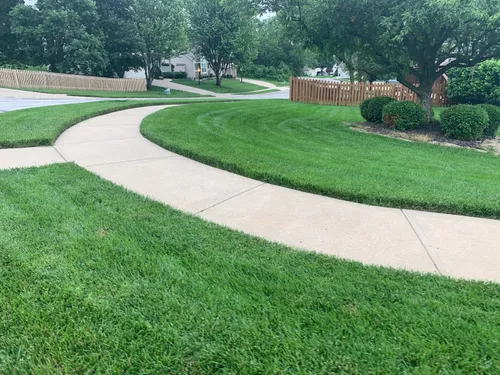
Missouri Organic Recycling is a Kansas City, MO-based company specializing in food waste composting and organic recycling services for restaurants and other commercial clients. They offer delivery and installation of mulch, compost, and soil products using a blower truck system, making it easier to apply materials in residential yards and commercial landscapes. Established in 2005, Missouri Organic Recycling has diverted over 3.2 billion pounds of food and green waste from local landfills, turning it into quality compost and soil products. Their services support sustainable waste management and environmental benefits in the Kansas City area.
Missouri Organic Recycling
11660 N Main St, Kansas City, MO 64155
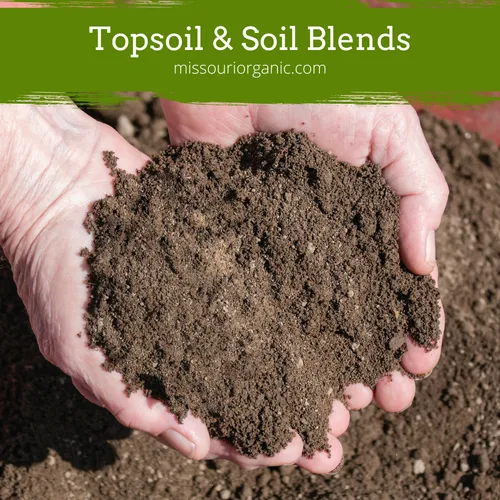
Missouri Organic Recycling is a Kansas City, MO-based company specializing in food waste recycling and composting services for restaurants and other commercial clients. They provide high-quality compost, mulch, and soil products, along with delivery and blower truck installation services across the KC Metro area. The company has been diverting millions of pounds of food and green waste from local landfills since 2005, contributing to environmental sustainability through their closed-loop recycling process. Missouri Organic Recycling also supports landscape professionals and homeowners with locally produced soil blends and offers multiple convenient drop-off locations for yard waste.
Missouri Organic Recycling (ONLY Open Saturdays)
1815 N Chouteau Trafficway, Kansas City, MO 64120
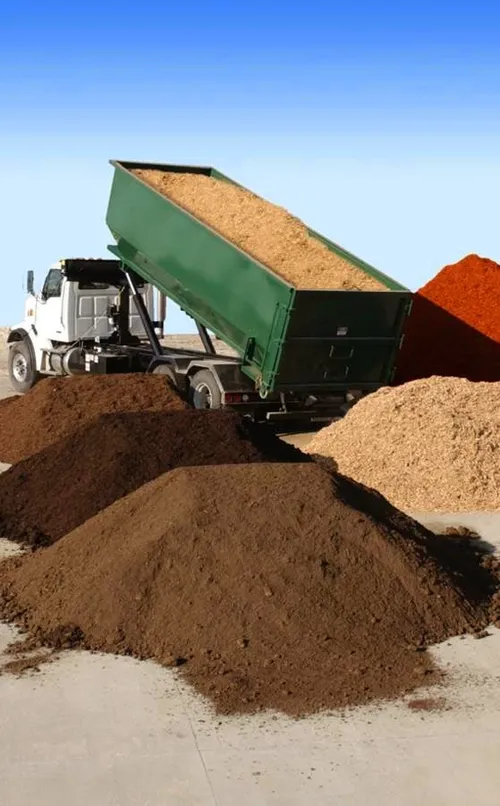
Missouri Organic Recycling in Kansas City, MO, specializes in food waste recycling and composting services for restaurants and other commercial clients. They offer delivery and installation of mulch, compost, and soil products throughout the KC Metro area, using a blower truck system for efficient placement. Established since 2005, the company has diverted billions of pounds of organic waste from local landfills, contributing to environmental sustainability through their closed-loop recycling process. Missouri Organic Recycling operates multiple locations and supports both residential and commercial landscaping needs.
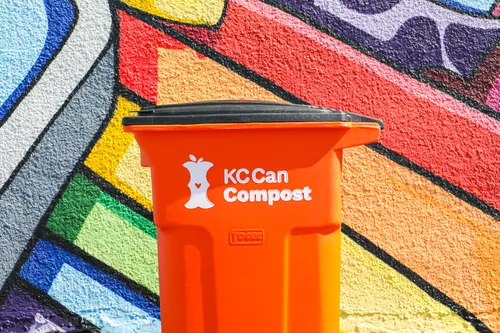
KC Can Compost
3119 Terrace St, Kansas City, MO 64111
KC Can Compost is a nonprofit organization based in Lees Summit, MO, focused on collecting food waste from restaurants and other sources to divert organic material from landfills. They provide composting services while also offering training and employment opportunities in green industry jobs for people facing barriers to employment. Their work helps reduce greenhouse gas emissions by turning food scraps into healthy soil and supports environmental justice through community education and leadership programs.
Understanding Container Requirements and Setup
Once you've selected a hauler, proper containerization is crucial for hygiene, pest control, and compliance. City regulations mandate that all waste and recycling containers be designated for their specific purpose, kept closed with lids, and maintained to not attract pests or create public hazards. Your service provider will typically supply the primary outdoor collection containers. For multi-family properties, this often includes lidded roll carts, such as 64-gallon models. The specific type and size will be part of your service agreement.
For the internal workflow of a restaurant, a two-bin system is standard. Kitchen staff use smaller, designated bins-like 5-gallon pails-at prep stations and dishwashing areas to collect food scraps. These are then emptied into the larger, hauler-provided carts stored outside. It's vital to use containers specifically intended for organics collection to prevent contamination and ensure the material is processed correctly.
Scheduling and Logistics for Pickup
Pickup schedules for commercial food waste are not standardized by the city but are arranged directly with your chosen private hauler. When setting up service, you'll agree on a frequency that balances your volume of organic waste with the need to prevent odors and nuisance. For most restaurants, this means pickup at least once a week, if not more often. The city does set general hours for commercial collection activity, typically between 7 a.m. and 10 p.m., but specific timing can be arranged, especially in special districts, with approval from the City Administrator2. Clear communication with your hauler about your business hours and peak waste generation times will help establish an efficient and unobtrusive collection routine.
Critical Contamination Guidelines for Restaurants
The success of any composting program hinges on keeping the organic stream clean. Contamination with non-compostable materials can ruin entire batches of compost, leading to rejected loads and potential extra fees. Here's what restaurants need to know:
Accepted Materials Typically Include:
- Food scraps (vegetable trimmings, fruit peels, plate scrapings, coffee grounds, eggshells).
- Compostable paper products like uncoated paper towels, napkins, and pizza boxes (if approved by your hauler).
- Certified compostable serviceware and containers (always verify with your hauler first).
Strictly Prohibited Materials:
- Plastics of any kind, including "bioplastic" bags unless certified compostable by your hauler.
- Metals, glass, and Styrofoam.
- Liquids and cooking oils (these require separate grease trap or used oil recycling services).
- Traditional plastic-lined paper products.
The core goal is to keep food waste completely separate from general trash and standard recyclables3 4 5. Clear, consistent staff training and well-labeled bins are the best defenses against contamination.
Find the perfect composting & food waste companies for your needs
Get personalized recommendations and expert advice
Evaluating Costs and Potential Savings
The cost for commercial food waste composting services in Overland Park varies based on several factors, including the size and number of containers, pickup frequency, and the specific hauler6 7. While there is no single rate, understanding the structure can help in budgeting. Some providers may offer a base monthly subscription fee for collection, with pilot programs for apartments hinting at figures around $13 per month, though commercial restaurant rates will be different7. Other models, like the FRED program offered through the OPCC, may provide initial waste audits and education at no cost, with collection fees integrated into a broader service package for event partners6.
It's important to view this as part of your overall waste management budget. By diverting heavy, wet food scraps from your trash dumpster, you may be able to reduce the size or frequency of your garbage service, potentially offsetting the new cost of organics recycling. Requesting detailed quotes from multiple haulers that break down all your waste streams is the best way to conduct a cost-benefit analysis.
Steps to Launch Your Program
- Conduct a Pre-Audit: Before calling providers, spend a week observing your waste. Note how much food waste you generate and where it comes from (prep, plate waste, etc.). This data will be invaluable when discussing service levels.
- Contact Local Haulers: Reach out to private waste companies that service Overland Park to inquire specifically about commercial food waste collection. Get detailed quotes that include container provision, pickup schedule, and contamination policies.
- Engage with Specialists: Contact KC Can Compost directly to explore their business services, which are designed to support restaurants through the setup process.
- Plan for Events: If your restaurant hosts large private events, inquire with the Overland Park Convention Center about the FRED program to see if its model or partners can be applied to your venue.
- Train Your Team: Schedule a training session with staff before the program launches. Use materials from your hauler or create simple, visual guides showing what goes in the compost bin versus trash and recycling.
- Promote Your Efforts: Let your customers know you compost! This commitment to sustainability can be a powerful part of your brand story and resonates strongly with the community.
Beyond Collection: The Environmental Impact
Diverting food waste in a commercial kitchen goes beyond waste management-it's a core component of environmental stewardship. When food scraps decompose in a landfill, they generate methane, a potent greenhouse gas. Composting, however, processes organic material aerobically, turning it into a nutrient-rich soil amendment. For a city like Overland Park, increasing commercial composting participation reduces landfill burden, lowers greenhouse gas emissions, and supports the creation of a valuable local product. By taking these steps, your restaurant contributes directly to a more circular and sustainable local economy.
Frequently asked questions
Sources
Footnotes
-
Trash + Recycling - City of Overland Park, Kansas - https://www.opkansas.org/city-services/trash-recycling/ ↩
-
Regulations for Collection of Solid Waste and Curbside Recycling in ... - https://www2.opkansas.org/City-Government/Agendas-and-Minutes/City-Council/Agendas/2008/2008-10-20/CDR-C2-2.pdf ↩
-
Overland Park starting food composting program for apartments - https://johnsoncountypost.com/2024/04/23/overland-park-apartments-composting-232385/ ↩
-
Regulations for the Collection and Storage of Solid Waste and ... - https://www2.opkansas.org/City-Government/Agendas-and-Minutes/City-Council/Agendas/2011/2011-07-11/CDR-S1-2.pdf ↩
-
Recycling Center - City of Overland Park, Kansas - https://www.opkansas.org/city-services/trash-recycling/recycling-center/ ↩
-
OPCC's Sustainability Program for Event Venues - Overland Park ... - https://opconventioncenter.com/sustainability-program-for-event-venues/ ↩ ↩2
-
Overland Park latest JoCo city to explore composting drop-off - https://johnsoncountypost.com/2025/05/16/overland-park-composting-drop-off-259777/ ↩ ↩2