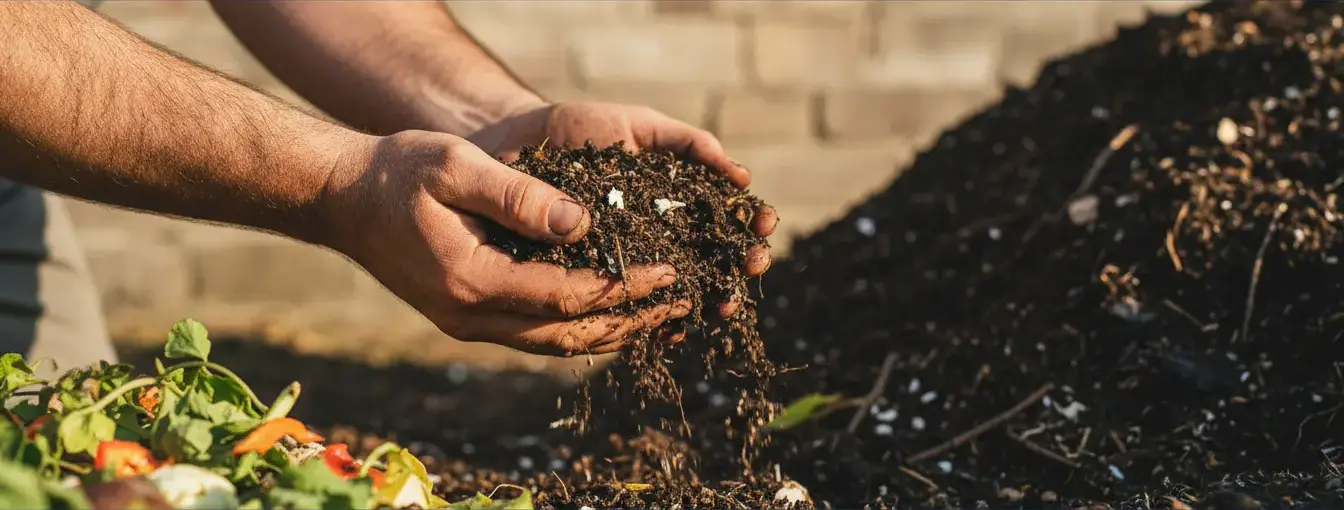
Find the Best Composting & Food Waste Companies for Your Business
No obligation • Fast responses • Nationwide coverage

Why you can trust Restaurant Waste Disposal
Restaurant Waste Disposal is a leading U.S. resource for comparing restaurant composting, food-waste recycling, grease trap cleaning, and used cooking oil collection services. Our editorial team researches providers, checks credentials, and organizes unbiased information so operators can make informed decisions. Companies cannot pay to change ratings or placement.
Search providers near you
Top Composting & Food Waste Companies in Council Bluffs, Iowa Ranked
For restaurant owners and food service operators in Council Bluffs, managing organic waste is a critical operational and environmental consideration. While the city provides residential waste collection through a single provider, commercial entities like restaurants must navigate private services for food scrap recycling and composting solutions. This guide outlines the landscape for commercial organics diversion, detailing available services, key considerations for implementation, and actionable steps to establish a compliant and cost-effective food waste program for your business.
Effective organic waste management not only helps reduce landfill contributions but can also streamline back-of-house operations and appeal to a growing base of eco-conscious customers. The process involves separating food scraps, soiled paper, and other compostable materials from the general waste stream for collection by a specialized hauler who transports it to a composting facility.
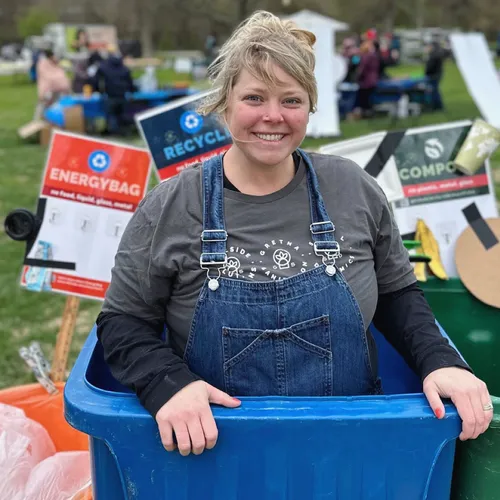
Hillside Solutions
21824 Williams Cir Suite 1B, Gretna, NE 68028
Hillside Solutions is a locally owned waste management company based in Omaha, NE, specializing in commercial food waste composting, recycling, and trash pickup services for restaurants, businesses, schools, and organizations. They serve the Omaha metro area including Gretna and Council Bluffs, focusing on eco-friendly waste solutions that support sustainability goals. Hillside Solutions operates the area's only industrial composting facility through their affiliate Soil Dynamics and offers training and consulting to help clients improve recycling rates and reduce landfill waste. The company has been recognized with environmental awards and partners with over 600 local businesses to promote circular economy practices.
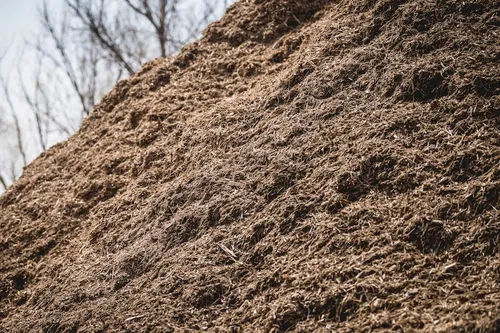
Soil Dynamics Composting Farm
16494 292nd St, Ashland, NE 68003
Soil Dynamics Composting Farm is located near Lincoln, NE, operating the Omaha metro area's only industrial compost farm. They produce compost, mulch, and soil using locally sourced materials such as food waste from restaurants, businesses, and schools. Their services include wood grinding, land clearing, soil screening, and roll-off pickup, supporting sustainability efforts in the region. The farm began as a yard waste composting operation and has grown into a commercial composting farm focused on reducing landfill waste and promoting zero waste practices.
Understanding Council Bluffs' Waste Collection Structure
The first step for any business is understanding the local framework. Council Bluffs contracts with Waste Connections to provide curbside collection services for residents. This includes weekly garbage, bi-weekly single-stream recycling, and seasonal yard waste pickup 1. It's important to note that this municipal contract does not extend to commercial food waste collection. Restaurants, cafes, grocery stores, and other food-generating businesses are responsible for arranging and paying for private waste and recycling services, including those for organic materials 2.
This means you, as a business owner, must directly contract with a waste hauler that offers commercial organics collection. Waste Connections, being the city's residential provider, is a logical first point of contact for commercial inquiries, but they are not the only option. Exploring services from regional providers can help you find the best fit for your establishment's volume, schedule, and budget.
Key Components of a Commercial Food Waste Program
Implementing a successful organics diversion program requires planning around several core components. Here's what you need to consider:
- Container Types and Placement: Haulers typically provide commercial-grade carts with wheels, ranging from 30 to 96 gallons or larger. You'll need to determine the right size and quantity based on your daily food waste output. Placement is crucial for staff efficiency-containers are often needed in both prep/kitchen areas (smaller collection pails) and outside for hauler pickup (larger carts).
- Pickup Schedules: Frequency is highly variable and negotiated with your hauler. A high-volume restaurant may require daily pickups, while a smaller cafe might manage with 2-3 times per week. Schedule consistency is key to avoiding overflow and odor issues.
- Contamination Control: This is the most critical rule for composting. Contaminants like plastic bags, utensils, glass, and metals can ruin an entire load of compost. Haulers will have strict guidelines, often requiring food waste to be placed in certified compostable bags or loose in the cart. Proper staff training is essential to maintain a clean stream 3.
- Cost Structure: Pricing is not standardized and depends on your specific service agreement. Factors influencing cost include the number and size of containers, pickup frequency, and any additional fees for contamination or account management. You should expect to receive a detailed quote outlining all these variables 4.
Benefits of Diverting Food Waste for Restaurants
Beyond regulatory or cost considerations, diverting food waste from the landfill offers tangible benefits for your business.
- Potential Cost Savings: While there is a cost for organics collection, it may be offset by reducing the volume (and therefore the cost) of your general garbage service. By pulling heavy, wet food scraps out of the trash, you might be able to downsize your garbage dumpster or reduce pickup frequency.
- Enhanced Sustainability Profile: Demonstrating a commitment to environmental stewardship resonates with customers and the community. Promoting your composting efforts can be a powerful marketing tool and align with broader corporate social responsibility goals.
- Improved Operational Hygiene: Separating food waste often leads to more frequent removal of organic material from kitchen areas, which can reduce pests and odors. Using leak-proof, dedicated containers for scraps can also keep garbage areas cleaner.
Find the perfect composting & food waste companies for your needs
Get personalized recommendations and expert advice
Steps to Establish Your Restaurant's Program
Taking the initiative to set up a food waste recycling service involves a few straightforward steps. A methodical approach will ensure you secure a service that meets your operational needs.
- Conduct a Waste Audit: Before calling haulers, spend a week observing your waste. Track how much food waste (pre-consumer scraps and post-consumer plate waste) you generate daily. This data is invaluable for accurately discussing container sizes and pickup frequency with service providers.
- Contact Potential Haulers: Start by contacting Waste Connections for a commercial service quote in Council Bluffs 5. Then, research and reach out to other regional or national waste management companies that service the area, such as Republic Services or local Iowa-based haulers. Ask each if they provide commercial food waste/composting collection.
- Request Detailed Quotes: When speaking with providers, ask specific questions. Request a breakdown of all costs: monthly service fee, container rental fee, per-pickup charges, and any potential fees for contamination. Clarify their rules on acceptable materials (e.g., meat, bones, dairy, compostable serviceware) and container protocols.
- Train Your Staff: Once you select a hauler, invest time in training every team member. Use clear signage in multiple languages if needed. Place collection pails in strategic locations and explain what is and is not acceptable in the compost bin. Consistent training is the single biggest factor in preventing contamination.
- Monitor and Adjust: After launch, monitor the program closely. Are the containers the right size? Is the pickup schedule adequate? Is contamination low? Be prepared to adjust pail locations, provide refresher training, or contact your hauler to modify service levels as needed.
Common Challenges and Solutions for Restaurants
Even with the best planning, you may encounter hurdles. Here are common challenges and ways to address them:
- Staff Buy-In and Turnover: High turnover can lead to training gaps. Combat this by making training part of the onboarding process, using simple and clear visual guides above collection stations, and recognizing teams or individuals who consistently sort correctly.
- Space Constraints: Many restaurant kitchens are tight on space. Solution: Use slim-profile collection pails that fit under prep tables or in narrow gaps. Empty small kitchen pails into the larger outdoor cart frequently throughout the day to free up interior space.
- Managing Contamination: This is an ongoing effort. Designate a "waste captain" to do quick daily checks of the compost cart. Provide feedback to the team. Some haulers offer "contamination reports," which can be a useful educational tool to show staff exactly what items are causing issues.
Diverting food scraps is a proactive step toward a more sustainable and efficient operation. By understanding the private hauler market in Council Bluffs and implementing a well-planned system, your restaurant can effectively manage its organic waste, potentially lower overall disposal costs, and contribute positively to the local environment.
Frequently asked questions
Sources
Footnotes
-
Recycling Collection | Council Bluffs, IA - Official Website - https://www.councilbluffs-ia.gov/2260/Recycling-Collection ↩
-
Garbage and Yard Waste Collection | Council Bluffs, IA - https://www.councilbluffs-ia.gov/2243/Garbage-and-Yard-Waste-Collection ↩
-
Composting | US EPA - https://www.epa.gov/sustainable-management-food/composting ↩
-
Bulk Trash Pickup Services - Waste Connections - https://www.wasteconnections.com/services/residential/bulk-pick-up/ ↩
-
Garbage, Yard Waste and Recycling Collection - Council Bluffs, IA - https://www.councilbluffs-ia.gov/2240/Garbage-Yard-Waste-and-Recycling-Collect#!rc-cpage=wizard_material_list ↩